
If you have ever sat in a barber’s chair and heard “low, mid, or high?” and had no idea what to say, you are not alone. The mid taper fade is the answer most barbers reach for when a client wants a cut that looks sharp on Monday morning and still holds up three weeks later. It sits in the sweet spot of the fade world: bold enough to look intentional, subtle enough to wear to a wedding, an interview, or the gym without a second thought.
This guide breaks down exactly what a mid taper fade is, how it differs from a mid fade, low taper, and high taper, and walks through 40+ real style variations for every hair type, texture, and face shape. You will also find a face shape breakdown, hair type advice, a script for talking to your barber, and answers to the questions men search most often before booking their next appointment.
What Is a Mid Taper Fade and Who Should Get One?
A mid taper fade is built for the guy who wants structure without extremes. It works for office jobs, first dates, gym sessions, and formal events because the fade line sits at a height that reads as “well groomed” rather than “just got a haircut.” It is also one of the most forgiving cuts on the market: it flatters thick, thin, straight, curly, and coily hair, and it grows out more gracefully than a high fade, which means fewer emergency barbershop visits.
Men who suit a mid taper best include:
- First timers who are nervous about going too short or too dramatic
- Professionals who need a cut that works in a boardroom and on a weekend
- Guys with cowlicks or awkward hairlines, since the mid-height start hides growth patterns better than a low taper
- Anyone transitioning between a longer style and a shorter one, since the mid taper is an easy middle step
What is a mid-taper?
A mid taper is a haircut where the hair gradually shortens starting around the midpoint of the head, roughly between the top of the ear and the temple, then blends down toward the neckline. Unlike a fade, which typically finishes at skin level, a true taper finishes at a very short but still visible length, which gives it a slightly softer edge.
Mid Taper vs Medium Taper
“Mid taper” and “medium taper” are the same haircut in almost every barbershop. Both terms describe a fade or taper that begins around the middle of the side of the head rather than near the ears (low) or near the temples (high). If your barber uses one term over the other, do not worry: describing the height with your hand or pointing to a photo will get you the same result either way.
Where the Mid Taper Sits on the Fade Spectrum
Fade height is usually described on a simple scale:
- Low taper starts just above the ears
- Mid taper starts between the ear and the temple
- High taper starts at or above the temple
The mid taper is the midpoint of that scale, which is exactly why it works for so many face shapes and lifestyles. It adds noticeably more contrast than a low taper without the maintenance schedule that a high taper demands.
Key Characteristics of a Mid Taper Fade
- Fade or taper line begins roughly midway up the side of the head
- Gradual blend with no harsh, visible lines
- Top length can range from a short crop to several inches, depending on the style
- Works with or without skin exposure (a “skin mid taper” fades to bald; a soft mid taper leaves a whisper of hair)
- Regrowth is far less noticeable than with a high fade, so you can stretch appointments to three or four weeks
Mid Taper vs. Mid Fade: Are They Different?
This is one of the most searched questions on the topic, and the honest answer is that the terms overlap heavily depending on the barbershop. Generally, a mid taper keeps a soft blend with minimal skin exposure, while a mid fade pushes the blend closer to the skin for a sharper, more defined line. A mid taper reads as low maintenance and natural; a mid fade reads as slightly bolder and more deliberate. If you want the safest, most versatile version, ask for a “mid taper” and specify whether you want any skin showing.
What Does a Mid Taper Look Like?
The Visual Signature of a Mid Taper Fade
The defining visual cue of a mid taper is the location of the transition zone. Instead of a dramatic jump from long to short (like a high fade) or a barely-there change (like a low taper), the mid taper creates a smooth diagonal gradient that runs from the temple down past the ear toward the nape.
Front View: What You See First
From the front, a mid taper shows tighter sides that taper up into a fuller top, framing the face without overwhelming it. The hairline stays natural, and the temples show a clean, gradual blend rather than a hard line.
Side Profile: The Fade Gradient
The side view is where the mid taper does its best work. You can see the hair shorten in stages: longer near the top guide, shorter as it passes the ear, and shortest near the bottom of the fade. Barbers typically use a #2 or #3 guard on top of the fade and blend down toward a #0.5 or #1 near the base.
Back View: Neckline Treatment
The back of a mid taper should look tidy but not overly sharp. Most barbers round the neckline slightly rather than cutting a hard, squared-off line, which keeps the cut looking natural as it grows out.
360° Summary: All-Around Coverage
Viewed all the way around, a mid taper fade should look consistent: the same fade height at the temples continues smoothly around the ears and into the nape, with no obvious jump in length anywhere on the head.
Mid Taper Fade vs. Other Fades: What’s the Difference?
Mid Taper Fade vs Low Taper Fade
A low taper starts just above the ear and keeps most of the sides longer, which makes it the most conservative option and the best choice for very formal or traditional workplaces. A mid taper starts higher and creates more visible contrast, giving the cut a bit more personality while still staying office-friendly.
Mid Taper Fade vs High Taper Fade
A high taper begins at or near the temple and creates the boldest, most dramatic contrast of the three. It demands more frequent trims, typically every two weeks, to stay sharp. The mid taper is the calmer middle ground: noticeable, but not attention-grabbing on its own.
Mid Taper vs Mid Fade: Same Thing?
As covered above, they are close cousins. A mid fade generally blends closer to the skin, while a mid taper leaves a touch more length in the transition zone. Many barbers use the words interchangeably, so the safest move is to describe the finish you want (skin or soft) alongside the word “mid.”
Mid Taper Fade vs Skin Fade / Bald Fade
A skin fade or bald fade fades all the way down to bare skin, which creates maximum contrast and requires the most upkeep. A mid taper can be adapted into a skin finish, but the classic version leaves a small amount of hair at the base rather than going fully bald.
Mid Taper Fade vs Drop Fade
A drop fade follows a curved line that drops lower behind the ear, often connecting into the neckline in a scooped shape. A mid taper fade typically follows a straighter, more horizontal line. You can combine the two into a “mid taper drop fade” for a hybrid look, which is covered later in this guide.
Mid Taper Fade vs Burst Fade
A burst fade curves around the ear in a semicircle rather than running in a straight line down the side of the head. It is often paired with longer back sections, like a mullet. A standard mid taper keeps a more uniform, straight-line blend all the way around.
40+ Best Mid Taper Fade Styles for Men in 2026
Classic & Professional Mid Taper Fade
1. Mid Taper Fade Comb Over
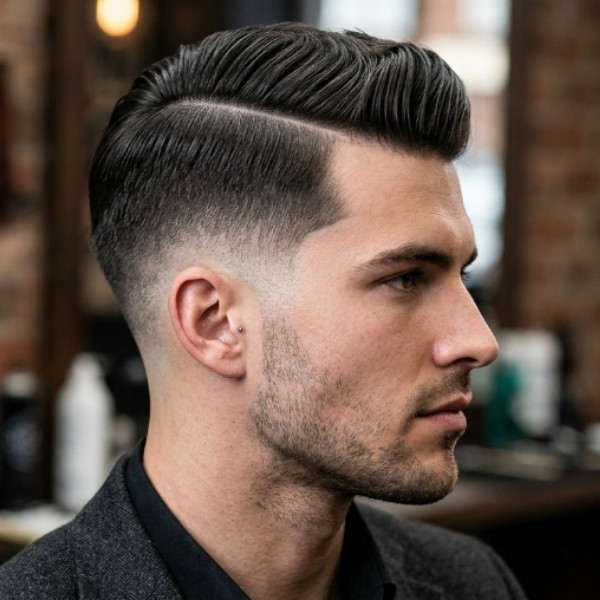
A comb over keeps the top section long enough to sweep to one side, then blends into a mid taper for a polished, office-ready finish. Ask for extra length at the front for the most versatile part.
2. Mid Taper Fade Side Part
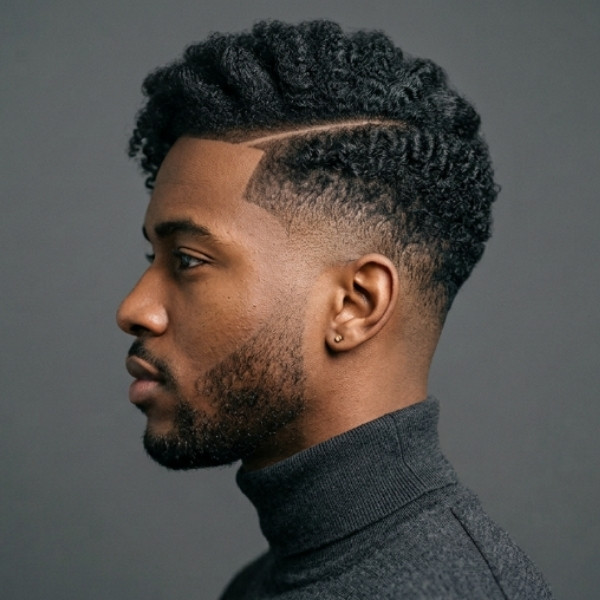
A defined side part paired with a mid taper gives a sharp, traditional look. A barber typically uses a razor or comb to carve a hard part line, then blow-dries the top in the direction of the part.
3. Mid Taper Fade French Crop
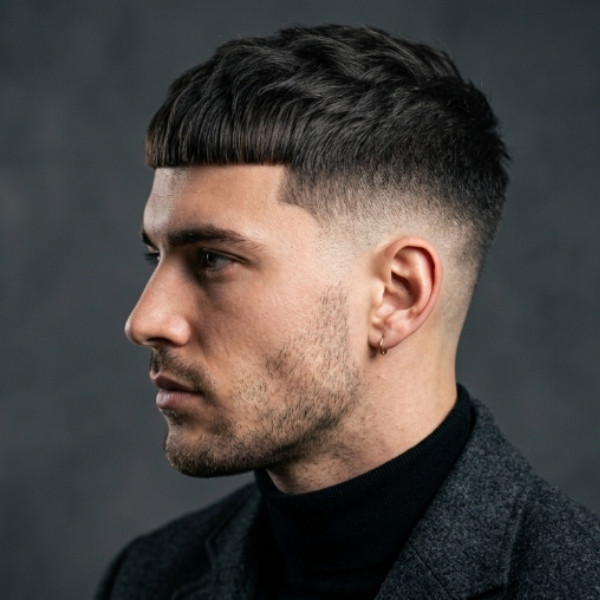
The French crop keeps the top short and slightly textured with a forward-swept fringe. Combined with a mid taper, it is one of the lowest-maintenance styles on this list.
4. Mid Taper Fade Textured Crop
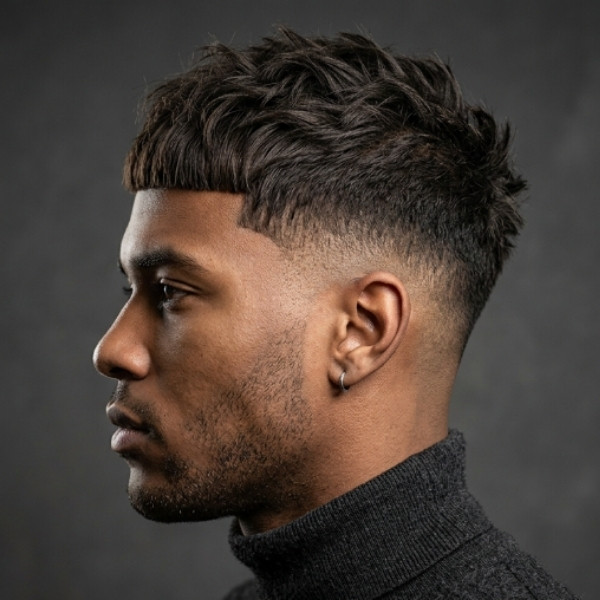
This version adds movement and texture on top using a texturizing spray or matte clay, giving the classic crop a more modern, tousled finish.
5. Mid Taper Fade Short Hair
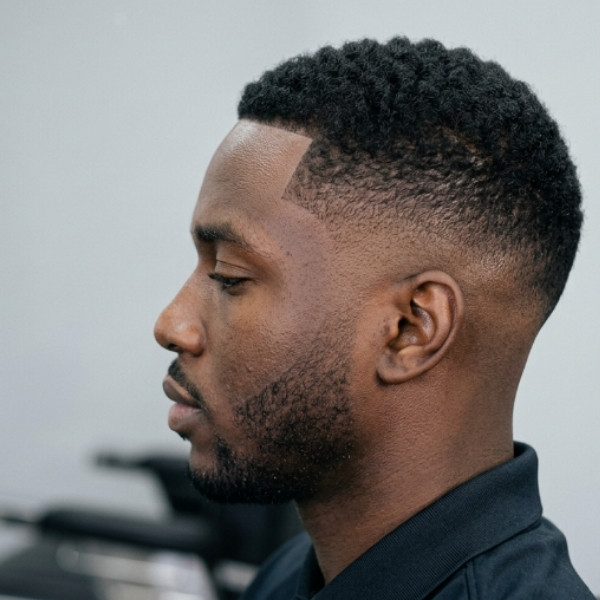
Keeping the top very short (roughly a #3 or #4 guard) creates a clean, all-over cropped look that pairs naturally with the mid taper’s gradual blend.
Voluminous & Lifted Mid Taper Fades
6. Mid Taper Fade Buzz Cut
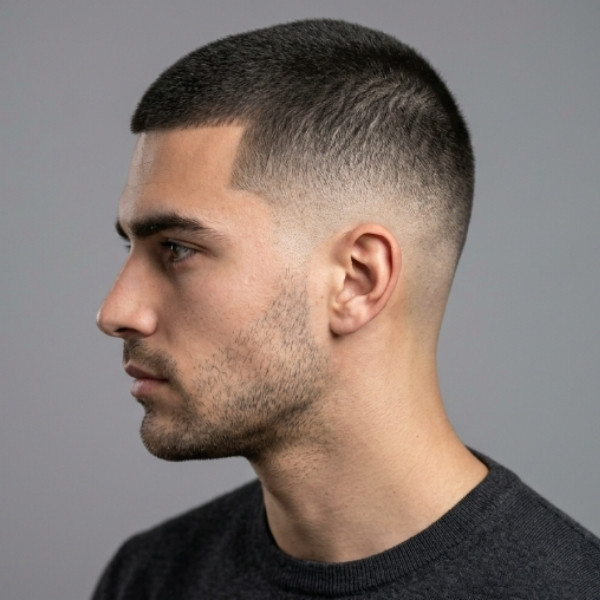
A uniform buzz on top paired with a mid taper adds contrast and shape to an otherwise simple, minimal cut. It is the easiest style on this list to maintain at home between barber visits.
7. Mid Taper Fade Quiff
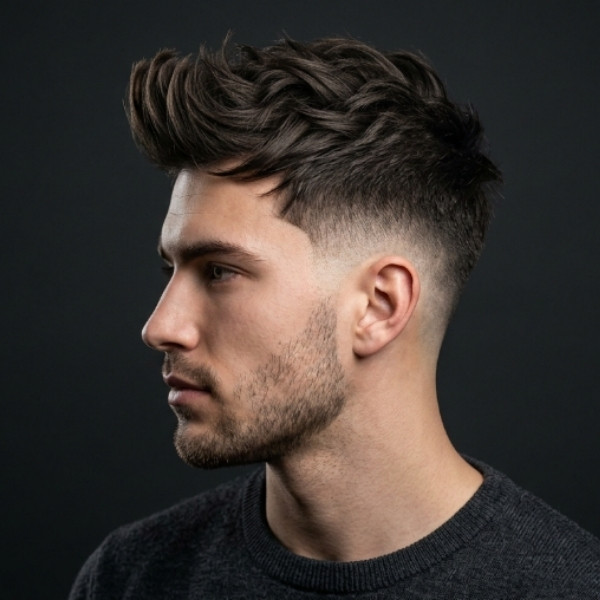
The quiff lifts the front section of hair up and back, creating height above the forehead. A mid taper underneath keeps the sides clean so the lifted top stays the visual focus.
8. Mid Taper Fade Pompadour
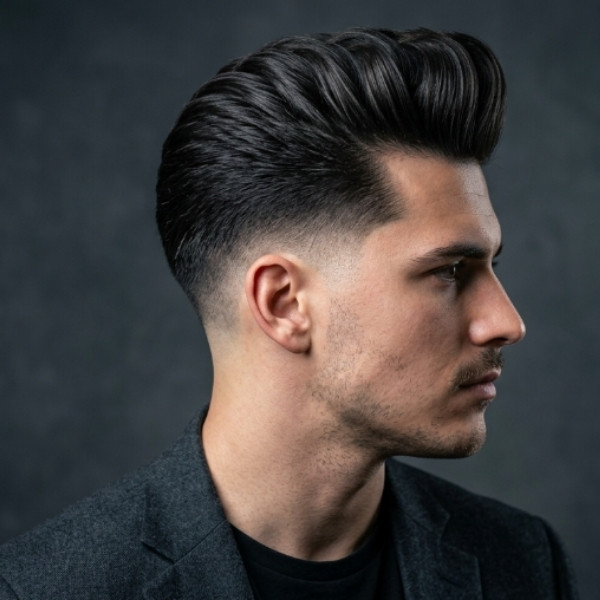
A pompadour takes the quiff concept further, with more length swept straight back for a bold, retro-inspired silhouette. It needs a strong-hold pomade to keep its shape through the day.
9. Mid Taper Fade Blowout
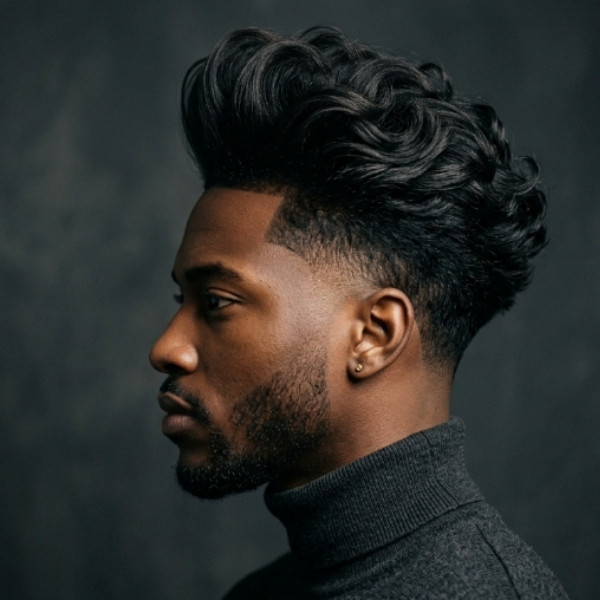
The blowout uses a round brush and blow-dryer to push the top hair straight up, creating maximum volume. It works especially well on thick or coarse hair textures.
10. Mid Taper Fade Fluffy Hair
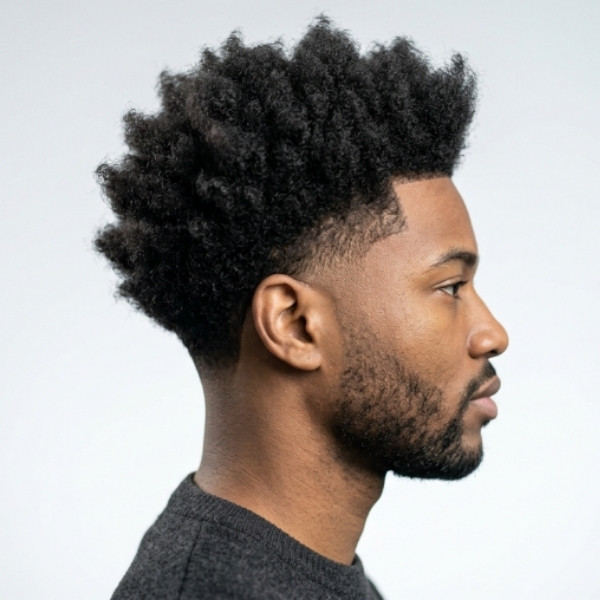
A soft, natural, undone look on top, styled with fingers rather than a comb, gives a relaxed feel that contrasts nicely with the tighter sides of the taper.
Textured & Forward-Styled Mid Taper Fades
11. Mid Taper Fade Fringe
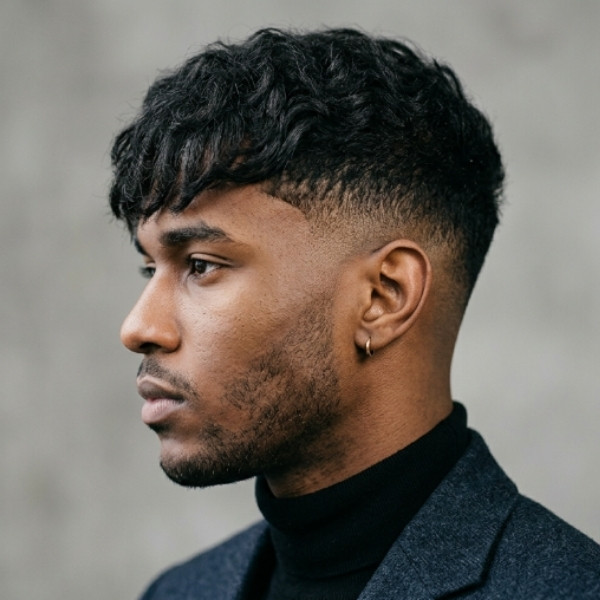
A fringe brings the top hair forward over the forehead rather than back or to the side, creating a youthful, low-effort finish.
12. Mid Taper Fade with Textured Fringe
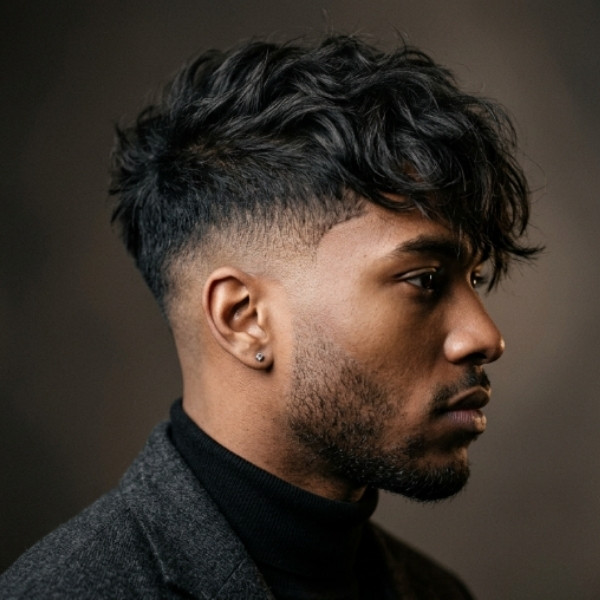
Adding texture to the fringe with a matte paste breaks up the line for a choppier, more casual look than a smooth, straight fringe.
13. Mid Taper Fade Middle Part
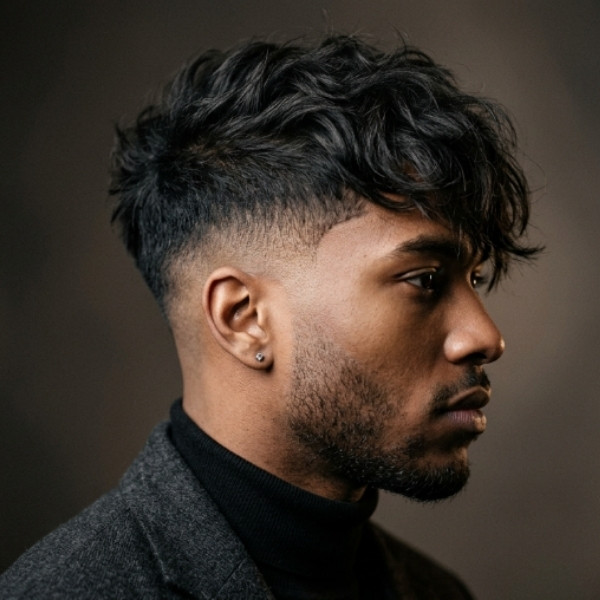
A center part divides the top into two symmetrical sections. It pairs best with straight to slightly wavy hair and a moderate amount of length on top.
14. Mid Taper Fade Spiky Hair
Short spikes styled with a strong wax or clay give the top texture and definition, working especially well with thick or coarse hair that holds its shape.
Curly & Wavy Mid Taper Fades
15. Mid Taper Fade Curly Hair
Keeping extra length on top allows natural curl pattern to shine while the mid taper keeps the sides controlled and neat.
16. Mid Taper Fade Wavy Hair
Waves respond well to a mid taper because the added texture on top pairs naturally with the gradual blend on the sides, giving the whole cut a relaxed, beachy feel.
17. Mid Taper Fade Perm
A loose perm adds curl or wave to naturally straight hair, giving the top more texture and volume before it meets the mid taper on the sides.
Mid Taper Fades for Black Men / Afro-Textured Hair
18. Mid Taper Fade Black Male
A mid taper on coily or type 4 hair creates strong contrast between the defined top shape and the clean, blended sides, and it is one of the most requested combinations in barbershops that specialize in textured hair.
19. Mid Taper Fade Afro
Leaving natural afro texture and volume on top while tapering the sides creates a striking, rounded silhouette with a clean foundation.
20. Low Afro with Mid Taper Fade
A shorter, more compact afro paired with the mid taper offers a lower-maintenance alternative to a full-volume afro while keeping the same clean side blend.
21. Afro Hawk with Mid Taper
This style tapers the sides down close while leaving a raised strip of natural texture down the center, giving a bold, structured mohawk-inspired shape.
22. Mid Taper Fade with Dreads
Dreadlocks or locs on top paired with a tapered side creates strong visual contrast between the textured length up top and the clean-cut sides.
23. Dreadlock Bun with Mid Taper Fade
Gathering longer locs into a bun at the crown keeps the style practical for work or workouts while the mid taper keeps the sides sharp.
24. Sponge Twist with Mid Taper Fade
Sponge twists create small, defined curls across the top, which look especially crisp against a clean mid taper blend on the sides.
25. Box Braids with Mid Taper Fade
Braided sections on top paired with a tapered side is a long-lasting, low-maintenance combination that holds its shape for weeks.
26. Twisted Curls with Mid Fade
Two-strand twists styled on top add definition and pattern, and they pair especially well with a slightly more skin-forward mid fade for extra contrast.
Slicked & Refined Mid Taper Fades
27. Mid Taper Fade Slick Back
Combing the top straight back with a strong pomade creates a sleek, formal finish that works well for weddings, interviews, and other dressed-up occasions.
28. Mid Taper Fade with Beard
Connecting a well-groomed beard into the taper on the sides creates one continuous, intentional line from the jaw up to the temple, which is one of the most requested combinations for men who wear facial hair.
Asian & Straight Hair Mid Taper Fades
29. Mid Taper Fade Asian
Thicker, straighter hair textures common among many Asian men hold shape especially well on top, making styles like a textured crop or a soft quiff pair naturally with a mid taper.
30. Mid Taper Fade Straight Hair
Straight hair shows off clean lines and sharp partings especially well, though it can look flat without a texturizing product, so a light matte paste helps keep some lift.
Long Hair & Modern Mullet Mid Taper Fades
31. Mid Taper Fade Long Hair
Keeping several inches of length on top while tapering the sides gives a long, flowing top plenty of room to move while the sides stay tidy and controlled.
32. Mid Taper Fade Mullet
The modern mullet keeps extra length at the back and crown while the sides taper in at the middle height, giving the style a defined edge without going too aggressive.
33. Man Bun with Mid Taper Fade
Long top hair pulled back into a bun paired with a mid taper on the sides is a practical way to manage long hair while keeping a structured, groomed silhouette.
Edgy & Custom Mid Taper Fades
34. Mid Taper Fade Edgar
The Edgar cut features a straight, blunt fringe line across the forehead paired with tapered sides, giving a bold, geometric silhouette that has become especially popular with younger men.
35. Mid Taper Fade with Line Design
Adding a shaved parting line or a small design detail within the fade gives the cut a custom, personalized finish.
36. Mid Taper Drop Fade
This hybrid combines the straight blend height of a mid taper with the curved, dropping line of a drop fade behind the ear, giving extra visual interest without adding much maintenance.
Blonde & Colored Mid Taper Fades
37. Mid Taper Fade Blonde
Lightened hair on top draws attention to texture and movement, and it stands out beautifully against the tapered, natural-colored sides.
38. Mid Taper Fade Blonde Hair
A fuller blonde top, whether styled in a quiff, crop, or slick back, pairs well with the mid taper because the contrast in color highlights the shape of the cut itself.
Medium & Balanced Length Mid Taper Fades
39. Medium Mid Taper
Keeping a moderate, medium length on top (long enough to style but short enough to require little product) is one of the most requested, all-purpose versions of the cut.
40. Mid Taper Fade Low Cut
A low, close-cropped top paired with the mid taper gives a clean, understated finish that needs almost no daily styling.
Bonus Styles
41. Curly Mid Taper
A shorter curly top, left mostly natural, works especially well for men who want texture without a lot of length or daily styling effort.
42. Short Hair with Mid Fade
A universally low-maintenance combination: very short hair on top, tapered sides, and almost no styling required beyond a quick towel dry.
Which Face Shape Suits a Mid Taper Best? (Complete Guide)
The mid taper’s biggest advantage is flexibility, but small adjustments to fade height and top length can make it fit your bone structure even better.
Mid Taper for Oval Face
Oval faces are naturally balanced, so almost any version of the mid taper works well. This is the easiest face shape to experiment with, whether that means a textured crop, a pompadour, or a slick back.
Mid Taper for Round Face
Round faces benefit from added height on top, since vertical volume helps elongate the face. A quiff or blowout on top paired with a mid taper adds structure without widening the face further.
Mid Taper for Square Face
Square faces already have strong, angular features, so keeping the top slightly softer, such as a textured crop or fringe, balances the jawline instead of exaggerating it.
Mid Taper for Heart-Shaped Face
Heart-shaped faces are widest at the forehead and narrow toward the chin. A mid taper with a bit of volume around the sides, rather than a very high, skin-tight fade, helps balance the proportions.
Mid Taper for Diamond Face
Diamond faces are widest at the cheekbones. A mid taper with a fuller top and softer sides helps balance the narrower forehead and jawline.
Mid Taper for Oblong/Long Face
Longer faces benefit from keeping the top shorter and adding width, rather than height, so a textured crop or short fringe works better here than a tall pompadour.
Mid Taper for Triangle Face
Triangle faces have a narrower forehead and a wider jawline. Adding volume near the temples on top helps balance the narrower upper half of the face.
Mid Taper for Different Hair Types: Curly, Wavy, Straight & More
Mid Taper for Straight Hair
Straight hair shows off clean lines and part lines especially well but can look flat without a texturizing product, so a light matte paste or clay helps add lift.
Mid Taper for Wavy Hair
Wavy hair pairs naturally with the mid taper because the texture on top adds visual movement that complements the gradual blend on the sides.
Mid Taper for Curly Hair
Curly hair holds volume and shape well on top, and barbers typically use shears rather than a heavy razor to avoid disrupting the natural curl pattern.
Mid Taper for Natural/Coily Hair (Type 4)
Coily hair holds strong, defined shapes on top, whether worn as an afro, twists, or braids, and pairs especially well with a clean, well-defined taper on the sides.
Mid Taper for Thick Hair
Thick hair holds almost any top style, from a pompadour to a spiky crop, and generally looks great with any version of the mid taper.
Mid Taper for Fine/Thin Hair
Fine hair tends to show clipper lines more easily, so asking your barber for a slightly longer guard on the blend (for example, a 1.5 instead of a 1) helps the transition look softer and less harsh.
How to Ask Your Barber for a Mid Taper
Walking in with the right words (or the right photo) makes a huge difference in getting the cut you actually want. Try this simple script:
- Say “mid taper” and point to roughly the middle of your ear as the starting height
- Specify the top length you want (short, medium, or long) and any styling goal (volume, texture, slick back)
- Mention whether you want the fade to finish at the skin or leave a small amount of hair
- Bring a reference photo if possible, since visual references remove almost all guesswork
The Golden Rule of Barber Communication
Always describe the outcome you want, not just the technical terms. Saying “I want it to look neat for work but still have some texture on top” gives your barber more useful information than guard numbers alone, especially if you are trying a new barbershop for the first time.
Frequently Asked Questions
What is the difference between a mid taper fade and a low taper fade?
A mid taper starts higher on the head, around the temple, and creates more contrast, while a low taper starts near the ears for a softer, more subtle look.
What is the difference between a mid taper and a mid fade?
A mid taper leaves a small amount of hair at the base of the blend, while a mid fade typically finishes closer to bare skin for a sharper, bolder finish.
How do I ask my barber for a mid taper fade?
Point to roughly the middle of your ear as the starting height, describe your desired top length and style, and bring a reference photo if you have one.
Can I get a mid-taper fade with curly hair?
Yes, curly hair holds volume and shape especially well on top, and the mid taper keeps the sides controlled without disturbing your natural curl pattern.
Is a mid-taper fade good for a round face?
Yes, especially when paired with added height on top, such as a quiff or blowout, which helps elongate rounder proportions.
What products work best for a mid-taper fade?
Matte clay or paste works best for texture and hold, while a lightweight pomade suits slicked-back styles that need shine without heaviness.
How long does a mid-taper fade last?
Most men can stretch appointments to three or four weeks before the fade line starts to grow out and lose its sharpness.
What makes a mid-taper fade different from other fade haircuts?
Its starting height sits exactly between a low and a high taper, giving it noticeable contrast without the frequent upkeep a high fade requires.
Is the mid-taper fade suitable for work and formal events?
Yes, its balanced, groomed appearance makes it one of the most versatile options for both professional settings and formal occasions.
Can I get a mid-taper fade with long hair?
Yes, keeping several inches of length on top while tapering the sides is a popular combination that lets long hair move freely while the sides stay tidy.
Final Thoughts
The mid taper fade earns its popularity honestly: it is versatile enough to match nearly any hair type, face shape, and lifestyle, while staying easy enough to maintain that you are not back in the barber’s chair every ten days. Whether you go with a clean comb over for the office, a textured crop for the weekend, or a bold Edgar cut with a line design, the mid taper gives you a strong, adaptable foundation to build any of these 40+ looks around. Bring a photo, describe the finish you want at the base of the fade, and you will walk out with a cut that holds its shape for weeks.