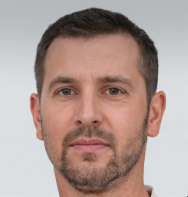
The French crop haircut has earned its place as one of the most popular and enduring men’s hairstyles today, and for good reason. It delivers a sharp, structured look with minimal daily effort. Whether you are stepping into the boardroom, hitting the gym, or heading out for the weekend, this cut adapts effortlessly to every setting.
At its core, the French crop combines short or faded sides with a slightly longer top that is brushed forward into a clean, defined fringe sitting just above the eyebrows. The result is a look that feels simultaneously classic and fresh, never dated, always intentional.
This guide covers every variation of the French crop, from fade and fringe styles to hair-type-specific options and lifestyle-driven picks. Whether you are getting your first crop or refreshing your current look, you will find exactly what you need here.
What is a French Crop?
The French crop is a short men’s haircut characterized by cropped or faded sides, a textured top, and a forward-swept fringe that rests near the forehead. It originated in early 20th-century France, drawing influence from military-style cuts, and gained widespread popularity for its clean, no-fuss aesthetic.
Over the decades, it evolved from a working-class staple into a mainstream men’s style. Its modern revival, partly fueled by Britpop culture in the 1990s and later by shows like Peaky Blinders, brought the crop back with sharper edges, bolder fades, and textured finishing techniques that transformed it into the versatile style it is today.
What sets the French crop apart from other short cuts is its defining fringe. Unlike the crew cut or buzz cut, the crop keeps deliberate length at the front, giving the wearer something to work with and style. The sides can be tapered, faded, undercut, or shaved depending on how bold or refined the final look needs to be.
A. Core Variations of French Crop Haircut
1. The Classic French Crop

The classic version keeps things clean and simple. Short sides taper gradually into the neckline while the top sits at a moderate length, styled forward into a blunt fringe. This is the foundation that all other variations build on, neat, versatile, and suited to nearly every setting from office to casual.
2. The Short French Crop
This take strips the length down to a minimum on both the top and sides. The fringe sits tight and close to the forehead, giving a sharp, ultra-clean look with almost zero styling required. It is the ideal choice for men who prefer a low-maintenance routine without sacrificing style.
3. The Long French Crop
The long French crop retains the classic structure but allows the top to grow out considerably, sometimes reaching lengths that hover at or just below eyebrow level. This extra length opens up more styling possibilities, from tousled and relaxed to sleek and polished. It also provides better coverage for higher hairlines.
4. The Textured French Crop
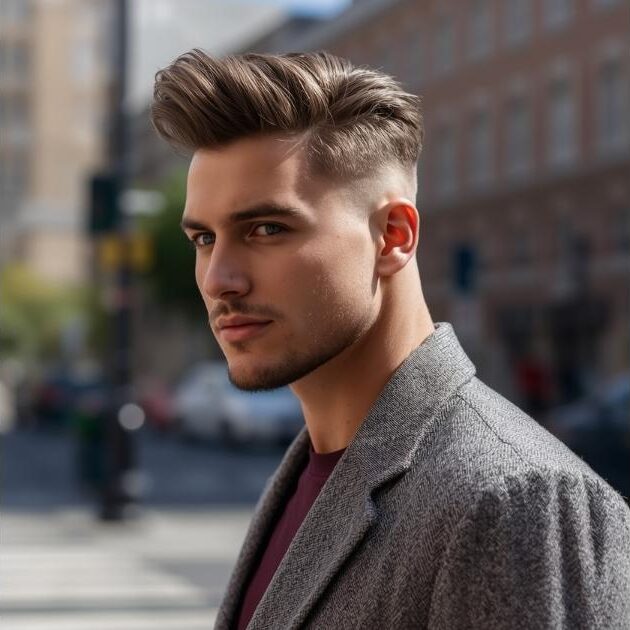
One of the most popular modern interpretations, the textured French crop uses point cutting or razoring techniques to create movement and separation on top. Rather than a smooth, flat fringe, the surface breaks into natural-looking pieces that add volume and a lived-in feel. Matte clay or sea salt spray locks in the texture without stiffness.
5. The Messy French Crop
The messy French crop embraces a deliberately undone aesthetic. The top is cut into choppy layers that fall forward with intentional disorder, while the sides remain clean and controlled. It strikes the right balance between casual and groomed, effortless to style, impossible to overthink.
6. The French Crop Fade
This variation pairs the cropped top with a faded side, where the hair gradually transitions from longer at the top to shorter, and often down to the skin, at the sides and back. The contrast between a defined fringe and a smooth, blended fade creates a sharp, high-impact silhouette that works for both casual and professional environments.
7. The Curly French Crop
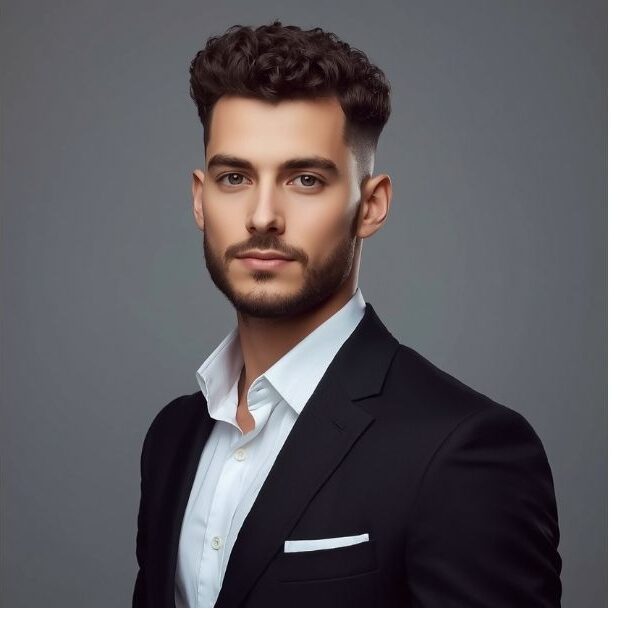
Men with natural curls often avoid structured cuts, but the curly French crop is designed specifically to embrace natural texture. The top is left long enough for curls to bounce and show character, while the faded or tapered sides keep the overall shape controlled. Curl-defining cream or light pomade helps maintain definition throughout the day.
8. The Undercut French Crop
The undercut French crop removes the gradual blend between the sides and the top entirely. Instead of a taper or fade, the sides are clipped to a uniform short length, or even shaved, creating a dramatic, high-contrast disconnection from the longer top. It is bold, architectural, and best suited to men who want their haircut to make a statement.
B. Fade & Taper-Based Variations
1. The Low Fade French Crop
The low fade begins just above the ear and blends down toward the neckline. It is the most conservative of the fade options, subtle enough for professional environments, yet modern enough to carry style credibility. This version suits men who want a polished, office-friendly look with a contemporary edge.
2. The Mid Fade French Crop
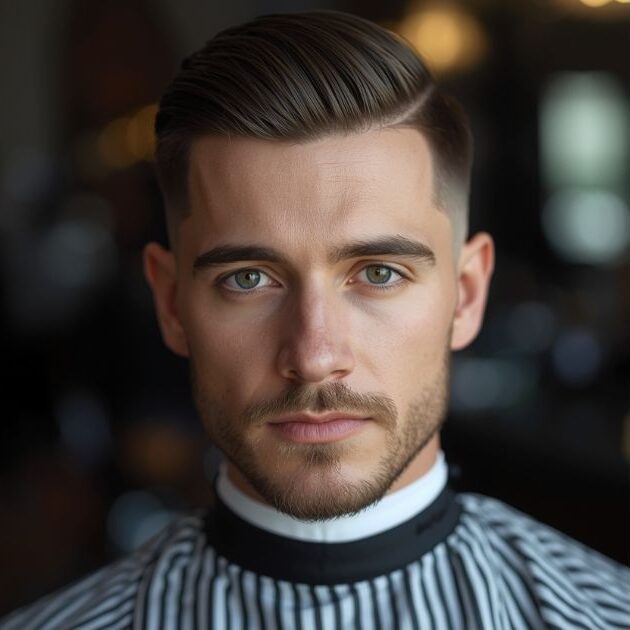
Starting around the temple area, the mid fade offers balanced contrast between the top and sides. It is more noticeable than a low fade but does not feel as dramatic as a high fade. This is arguably the most versatile option in the fade family, working equally well on straight, wavy, and curly hair types.
3. The High Fade French Crop
The high fade begins close to the top of the head, creating a sharp and assertive line of contrast. It amplifies the visual weight of the crop on top and is particularly popular among younger men and those in creative industries. Pair it with a textured or blunt fringe for maximum impact.
4. The Skin Fade French Crop
The most precise and striking fade variation, the skin fade takes the sides all the way down to the bare scalp. It creates a bold, architectural contrast that makes the top appear thicker and more defined. This version is high maintenance, expect barbershop visits every two to three weeks to keep the fade sharp.
5. The Temple Fade French Crop
The temple fade, also called a temp fade, focuses the fade specifically around the temple area, leaving the back and neckline at a longer, more natural length. It frames the face distinctly and works especially well when paired with a clean, angular fringe at the front.
6. The Drop Fade French Crop
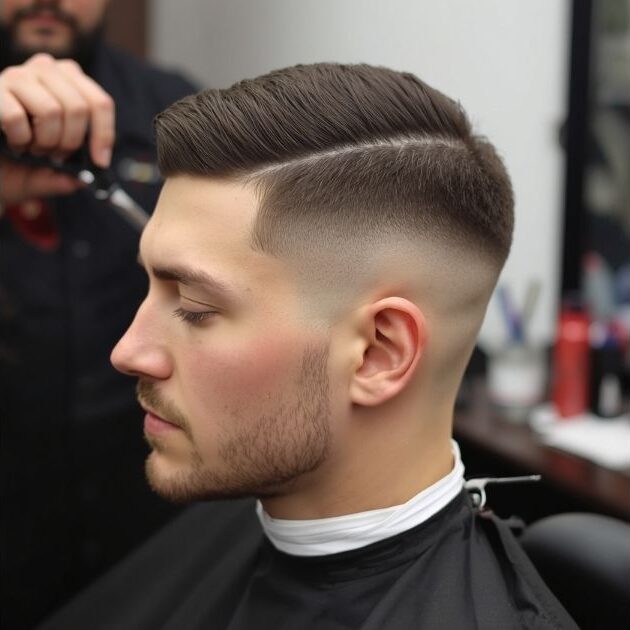
The drop fade curves downward behind the ear rather than following the natural hairline straight across. This creates a rounded, descending silhouette that looks sleek from every angle. When combined with a French crop top, the drop fade adds a streetwear-influenced edge while keeping the overall profile clean.
7. The Tapered French Crop
Unlike a fade, a taper gradually shortens the hair without blending it down to the skin. The tapered French crop provides a soft, natural-looking transition on the sides that suits men who prefer a subtler finish. It is the go-to option for professional settings and works particularly well on fine or thin hair.
C. Fringe & Bang Variations
1. The Blunt Fringe French Crop
The blunt fringe is cut straight across in a single, clean horizontal line. It gives the haircut a geometric precision and a bold, intentional look. This variation photographs extremely well and pairs naturally with skin or mid fades for maximum contrast.
2. The Choppy Fringe French Crop
Instead of one clean line, the choppy fringe is cut with deliberate irregularity, the tips of the fringe are snipped at varying angles to create texture and movement. It adds personality to the classic crop and works especially well for men with thick or coarse hair that needs thinning at the ends.
3. The Micro Fringe French Crop
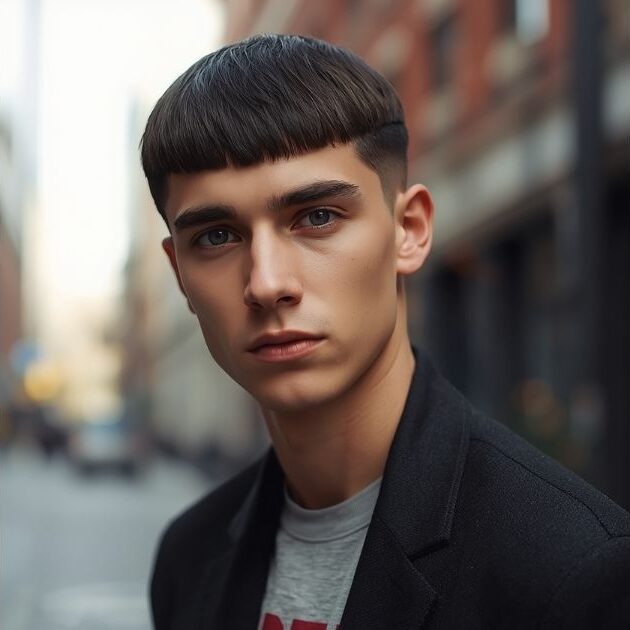
The micro fringe is cropped extremely short, sitting high on the forehead rather than hovering near the brows. It is a fashion-forward, editorial choice that commands attention. While not for everyone, it works powerfully on men with strong facial features and sharp bone structure.
4. The Textured Fringe French Crop
Similar to the textured crop, this variation focuses the texture specifically at the fringe line. Rather than a flat, uniform band of hair, the fringe breaks into soft, separated pieces that create depth and visual interest. Light-hold styling paste or a small amount of pomade is all that is needed to define the separation.
5. The Side-Swept French Crop
This variation pushes the classic forward-sweep in a lateral direction. The top is styled diagonally across the forehead, creating an asymmetric focal point that adds visual dynamism. It is a great way to soften the look and introduce a bit of movement for men who want something less rigid.
6. The Heavy Fringe French Crop
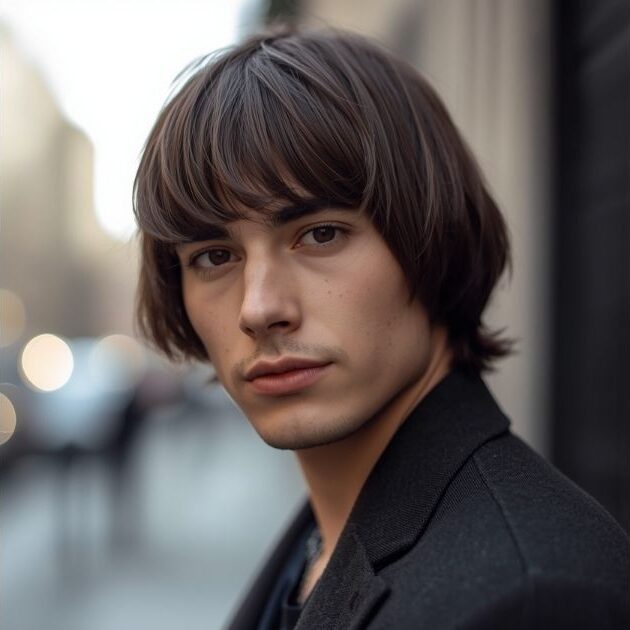
The heavy fringe keeps the top at a longer length and allows the fringe to hang thick and full across the forehead. It creates a bold, dominant visual statement at the front of the cut, perfect for men who want to make their fringe the centerpiece of their style.
D. Hair-Type-Specific French Crops
1. The Straight Hair French Crop
Straight hair is the most forgiving when it comes to the French crop. It sits flat and clean, making the fringe line crisp and the overall shape easy to maintain. A little product goes a long way, a small amount of matte clay or pomade is enough to keep the fringe in place and add a low-level shine.
2. The Wavy Hair French Crop
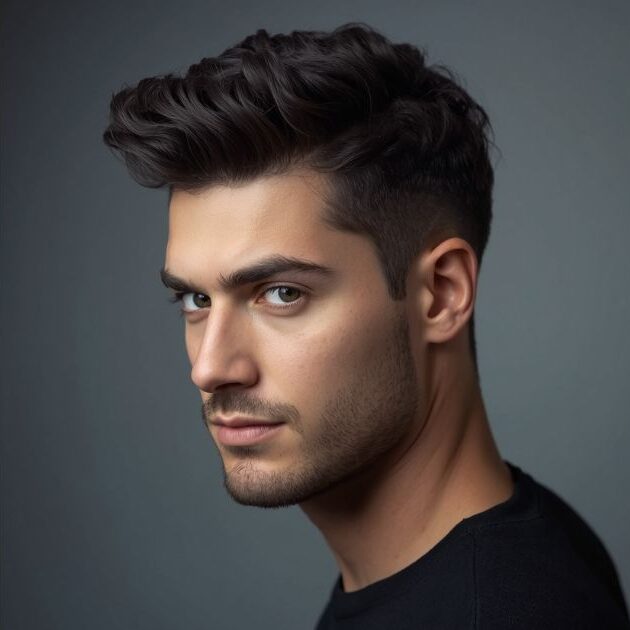
Wavy hair adds natural texture and movement to the crop without any extra effort. The waves give the top an effortlessly relaxed feel and add volume that straight hair sometimes lacks. Sea salt spray enhances the wave pattern while a blow dryer on low heat can be used to push the fringe forward and set the shape.
3. The Thick Hair French Crop
Thick hair can make the French crop appear fuller and more voluminous, which is a significant advantage. The key is to work with a barber who understands how to thin the top while keeping the overall shape intact. Point cutting and texturizing shears prevent the fringe from becoming too heavy or bulky.
4. The Fine Hair French Crop
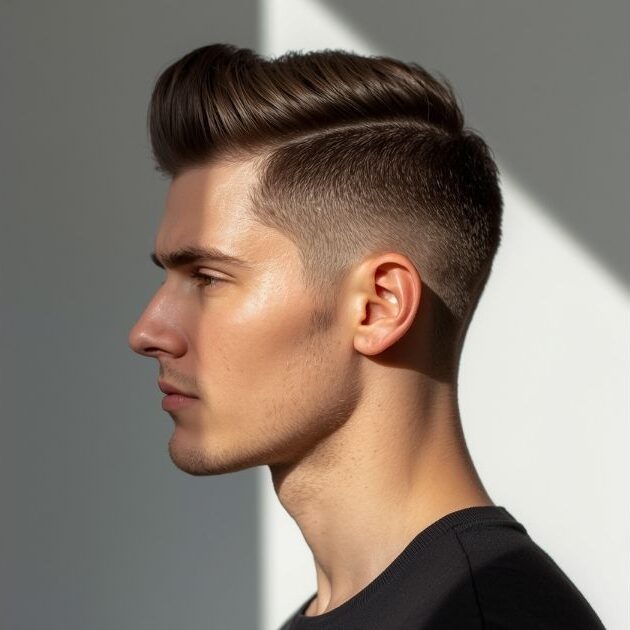
Fine hair benefits enormously from the French crop because the structured fringe adds the illusion of density at the front. A textured version of the crop works best for fine hair since it breaks up the flat, thin appearance and creates visual fullness. Volumizing mousse or a light-hold clay applied to damp hair before blow-drying maximizes body.
5. The Coarse Hair French Crop
Coarse hair has natural body and strength, which allows it to hold shape exceptionally well. The challenge is managing bulk and keeping the fringe from becoming too heavy. Regular trims and a matte clay with strong hold keep coarse hair sitting where it is meant to sit without stiffness or excessive shine.
E. Modern & Trend-Driven Variants
1. The Modern French Crop
The modern French crop moves away from razor-sharp edges and leans toward a softer, more organic finish. It blends seamlessly with a mid or low fade and relies on texture rather than hard lines for its appeal. The result is a sophisticated, effortless look that feels at home in a creative office as much as a social setting.
2. The Disconnected French Crop
The disconnected crop removes the gradual blending between the sides and top entirely, leaving a stark, deliberate separation. It is a high-contrast, fashion-forward choice that suits men who are confident in their style and want a cut that reflects individuality and edge.
3. The Layered French Crop
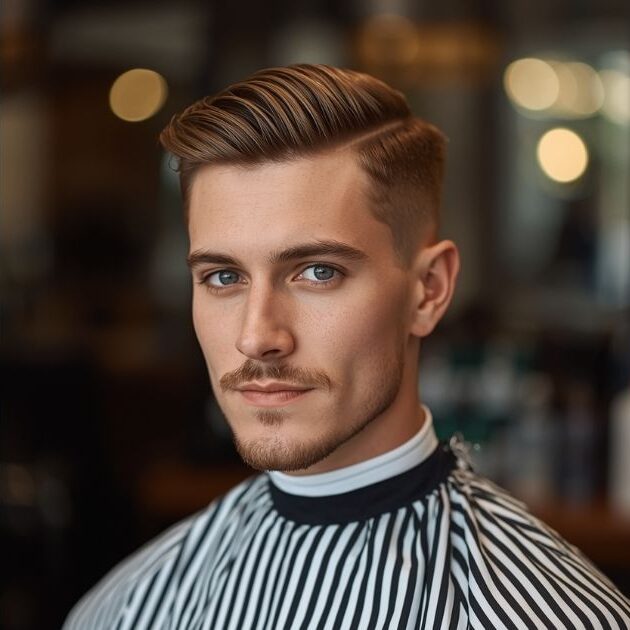
Layering adds depth and dimension to the top, preventing the hair from sitting flat. Each layer sits at a slightly different length, creating movement and a dynamic, full-looking surface. This version is particularly flattering on men with longer face shapes where added volume on top is beneficial.
4. The French Crop with Hard Part
A hard part is a shaved line that creates a precise, razored parting on one side of the head. When combined with a French crop, it adds a clean, intentional detail that elevates the entire cut. It is a barbershop signature technique that signals care and craftsmanship.
5. The French Crop with Line Design
Line designs, razor-carved patterns etched into the faded sides, add an artistic, personalized dimension to the crop. From simple single lines to geometric patterns, they turn a classic haircut into a wearable piece of expression.
6. The French Crop with Beard Fade
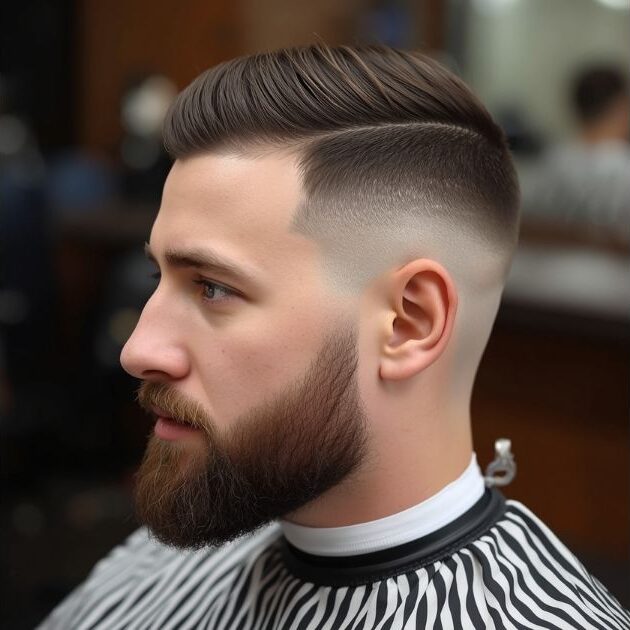
Combining a sharp French crop with a faded beard creates a seamless visual transition from the hairline down the sides of the face and into the beard. This look frames the face powerfully and is particularly effective for men with softer facial features who want added definition.
F. Style Hybrid Variations
1. The French Crop Quiff Hybrid
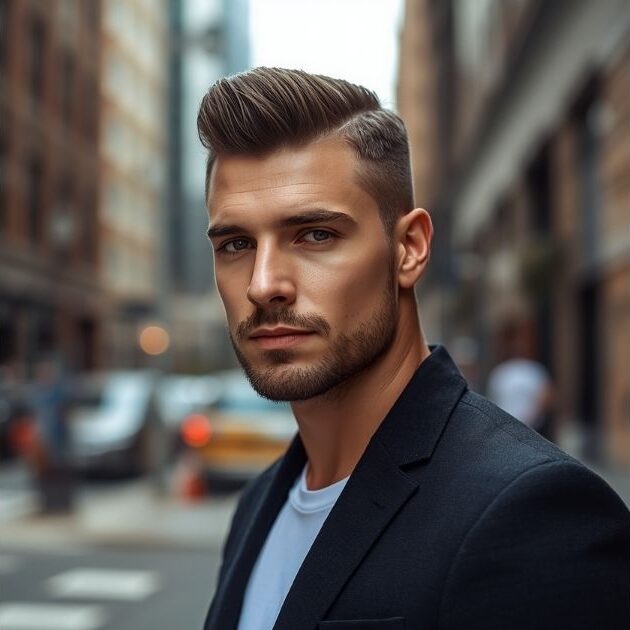
This hybrid pushes the top forward and slightly upward, borrowing the height and volume of a classic quiff while maintaining the cropped fringe structure. Strong-hold pomade or wax lifts the hair at the roots, and a blow dryer sets the shape. It is ideal for special occasions or anyone who wants more visual height.
2. The French Crop Caesar Hybrid
The Caesar cut and the French crop share DNA, both feature a forward-swept, short fringe. This hybrid refines both elements, delivering a cut that is slightly more structured than a traditional crop but less severe than a pure Caesar. It is clean, classic, and historically credible.
3. The French Crop Buzz Hybrid
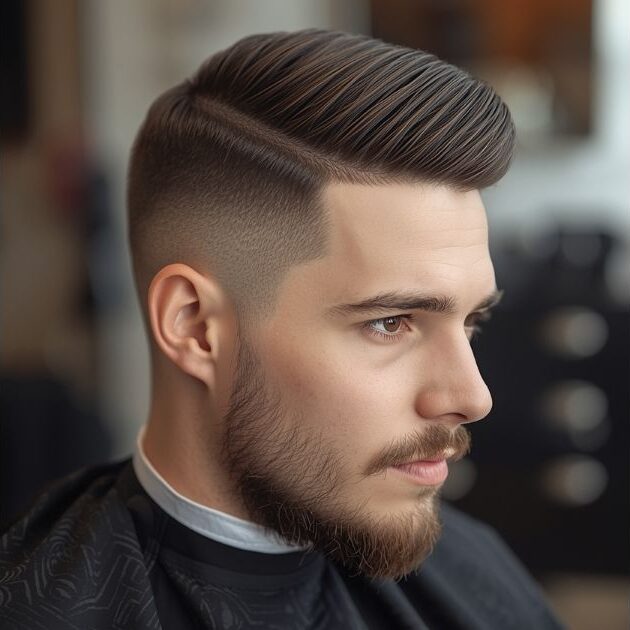
This variation takes the cropped top close to a buzz length while keeping the fringe slightly longer than the rest of the top. The result is an ultra-low-maintenance cut that still carries the defining fringe element of the French crop.
4. The French Crop Faux Hawk Hybrid
The faux hawk hybrid builds height in the center of the top, tapering down toward the sides for a subtle mohawk-like peak. It retains the French crop fringe at the front while adding attitude and structure at the crown. Molding clay with strong hold is essential for keeping the height in place all day.
5. The French Crop Crop-Top Hybrid
The crop-top hybrid keeps the hair uniformly short across the entire top with virtually no length gradient. It delivers a minimalist, ultra-clean look that works beautifully on men with well-defined facial features and requires practically no styling time.
G. Lifestyle & Age-Based Variants
1. The Professional French Crop
The professional crop prioritizes clean lines, subdued contrast, and a polished finish. A low or mid taper, rather than a bold fade, keeps the look refined and office-appropriate. The fringe is styled flat and forward, with just enough product for hold and a natural finish.
2. The Teen French Crop

Younger men often gravitate toward bolder versions of the crop, higher fades, heavier texture, and more dramatic fringe styles. The teen French crop tends to lean toward mid or high skin fades paired with choppy or heavily textured tops that reflect current social media and streetwear trends.
3. The Low-Maintenance French Crop
If daily styling is not your priority, a tapered French crop with a naturally textured top is the smart solution. With the right cut, a quick finger-comb after washing is all it takes to look put together. Choose a matte product that provides light hold without requiring precise placement.
4. The Athletic French Crop
Athletes need a cut that holds up under movement, sweat, and repeated washing. The athletic French crop keeps the top shorter, the sides tightly tapered or faded, and uses minimal product so hair stays clean and functional. It looks sharp on and off the field without high maintenance between cuts.
5. The Mature Men’s French Crop
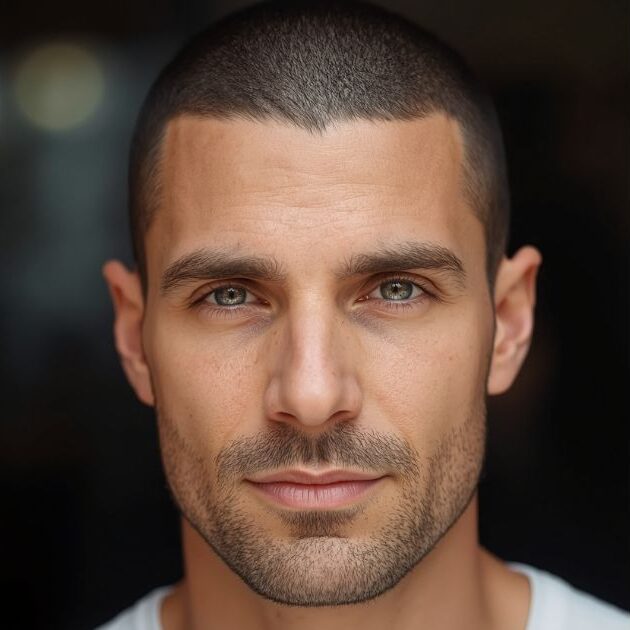
The French crop ages remarkably well. For mature men, a softer taper rather than an aggressive fade keeps the style age-appropriate and refined. The fringe can be styled forward or slightly swept to one side. This version subtly addresses receding hairlines by keeping attention on the front of the cut.
How to Choose the Right French Crop?
By Face Shape
Choosing the right variation starts with understanding what your face shape needs.
- Round face: Choose a crop with tight faded sides and added volume or texture on top. This creates the illusion of length and a more defined profile.
- Oval face: The oval face is the most adaptable, nearly any French crop variation works, from long textured tops to high skin fades.
- Square face: Opt for softer, textured styling on top and a mid taper on the sides. Avoid overly angular fringes that exaggerate jaw width.
- Long face: Keep the top shorter and avoid excessive height at the crown. A heavier fringe brings balance and reduces the vertical emphasis.
- Diamond face: A slightly fuller fringe and modest side length create proportion and soften the contrast between a narrow forehead and chin.
By Hair Type
- Straight hair: Any fringe style works; opt for blunt or textured finishes.
- Wavy hair: A messy or textured crop embraces natural movement effortlessly.
- Curly hair: Keep the top longer to let curls express themselves; taper the sides for control.
- Fine hair: Textured and layered crops create the illusion of fullness.
- Thick hair: Point-cut tops and choppy fringes prevent excess bulk and maintain shape.
How to Style a French Crop?
1. Prep Damp Hair
Start with freshly washed or lightly dampened hair. Towel dry until damp but not dripping. Damp hair is more pliable and takes product more evenly than dry hair, giving you better control over the final shape.
2. Apply Pre-Styler & Shape
Apply a small amount of volumizing mousse or pre-styling cream from roots to ends, working through the hair with your fingers. Use a blow dryer on a medium heat setting to direct the top forward and into the desired fringe position. Keep the dryer moving to avoid heat damage and stop once the hair is fully dry and the shape is set.
3. Finish with Product
Once dry, add your finishing product. Choose based on your desired finish:
- Matte clay: natural finish, strong hold, great for textured or messy crops.
- Pomade: medium to high shine, ideal for sleek or classic fringe styles.
- Sea salt spray: light grip and added texture, perfect for wavy or relaxed crops.
- Molding paste: flexible hold with moderate shine, versatile for most crop variations.
Work the product between your palms, then distribute evenly through the top. Style the fringe forward, smooth or piece it as needed, and you are done.
Frequently Asked Questions
How often should I get a French crop trimmed?
Most men need a trim every three to five weeks to keep the fringe and fade looking sharp. Skin fades require more frequent visits, closer to every two to three weeks.
Is the French crop suitable for thinning hair?
Yes, the French crop is actually one of the best cuts for thinning hair since the forward fringe draws attention to the front and creates the appearance of density.
Can I get a French crop with curly hair?
Absolutely. The curly French crop is a popular variation that embraces natural curl texture on top while keeping the sides clean and controlled.
What is the difference between a French crop and a Caesar cut?
Both have forward-swept fringes, but the French crop typically has more textured or faded sides, while the Caesar cut features a more uniform, horizontally cut fringe with less variation on the sides.
What products work best for a French crop?
Matte clay is the most versatile choice. Sea salt spray works well for texture, and pomade suits men who prefer a sleeker, shinier finish.
Does the French crop work for formal occasions?
Yes, a classic or tapered French crop styled flat and forward with pomade is a professional, formal-ready look.
How do I ask my barber for a French crop?
Tell your barber you want a French crop with a specific fringe type (blunt, textured, or choppy), a preferred side style (low, mid, or high fade, or taper), and your desired top length. Bringing a reference photo removes all ambiguity.
Conclusion
The French crop haircut stands out because it genuinely delivers on every front. It is stylish without being high maintenance, structured without being rigid, and versatile enough to adapt to any hair type, face shape, or lifestyle. From a clean professional taper to a bold skin fade with razor line designs, there is a version of this cut that works for virtually every man.
The key is knowing your face shape, understanding your hair type, and choosing a variation that fits your daily routine. Once you find the right version, a good barber and a couple of quality products are all it takes to own this look with confidence. Book that appointment, bring a reference photo, and let the French crop do the rest.