
Walk into any barbershop across the United States and you will hear one request more than any other: the taper fade. For Black men, this haircut is more than a trend. It is a staple, a form of self-expression, and a style that works in the boardroom just as well as it does on the weekend. Whether you wear your hair in tight coils, waves, braids, or a full afro, the taper fade adapts to your texture and enhances every look.
This guide covers the best taper fade haircuts for Black men, how to choose the right style for your face shape and hair texture, what to say to your barber, how to maintain the look, and the best products to keep your fade sharp and fresh in 2026 and beyond.
What Is a Taper Fade for Black Men?
A taper fade is a haircut where the hair gradually shortens from the top of the head down toward the neckline and ears, blending smoothly instead of cutting sharply. The key difference between a taper and a standard fade is that a taper maintains some hair length at the sides and back rather than going all the way down to the skin.
For Black men specifically, the taper fade works exceptionally well with coarse, curly, and kinky hair textures. It provides structure without removing the natural volume and personality of the hair. That is why it remains one of the most requested styles in Black barbershops across every major U.S. city.
The style is also incredibly versatile. You can go low for a subtle, professional finish or high for a bold, eye-catching contrast. You can pair it with waves, afros, braids, locs, or a full beard, and the taper fade will elevate the entire look every time.
Also Read This: Curly Mullet Fade: Trendy Styles You Need to Try
9 Best Taper Fade Haircuts for Black Men
1. Low Taper Fade
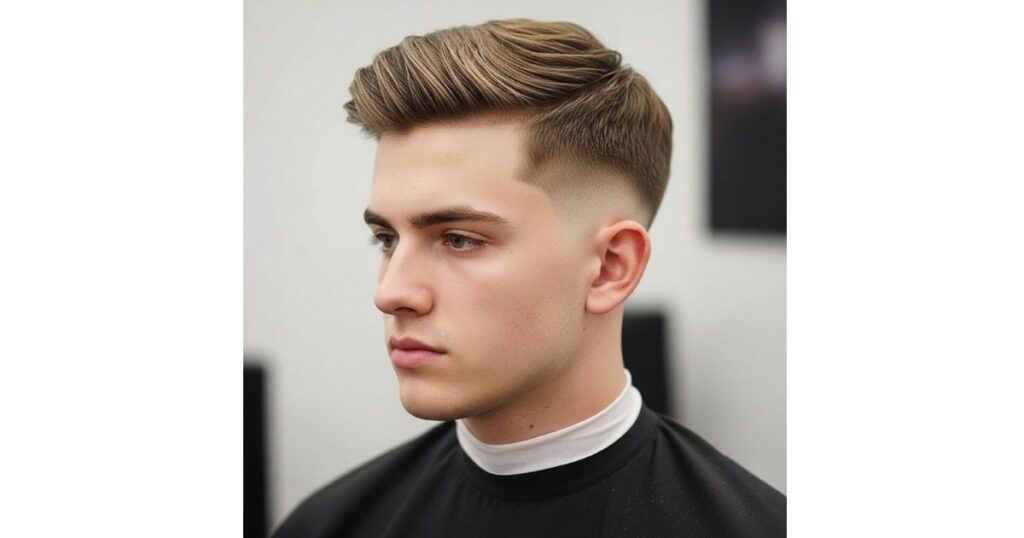
The low taper fade starts just above the ears and at the neckline, creating a gentle gradient that keeps most of the length on the sides intact. It is the go-to style for Black men who want a clean, professional look without a dramatic contrast. This cut pairs beautifully with 360 waves, tight curls, short afros, and even textured crops. Because the fade is low and subtle, it grows out slowly and requires fewer touch-ups than other variations, making it a practical choice for busy lifestyles.
2. High Taper Fade
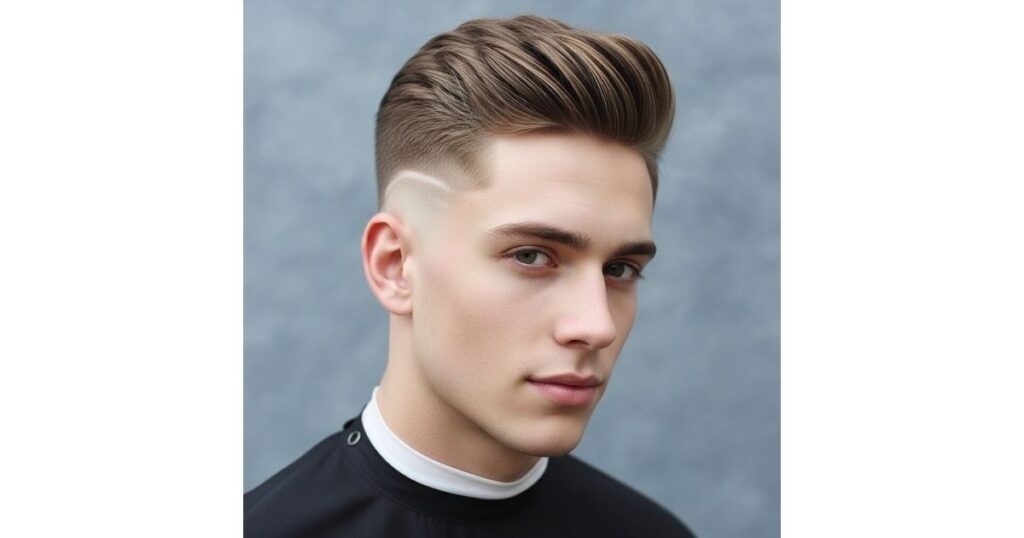
The high taper fade begins much closer to the crown, creating a bold contrast between the top hair and the shaved sides. This style draws attention upward, making it ideal for men with defined curls, twists, or structured afros on top. The high contrast gives a sharp, edgy finish that stands out in both casual and dressed-up settings. It pairs especially well with a clean line-up at the forehead and temples.
3. Temple Fade (Temp Fade)
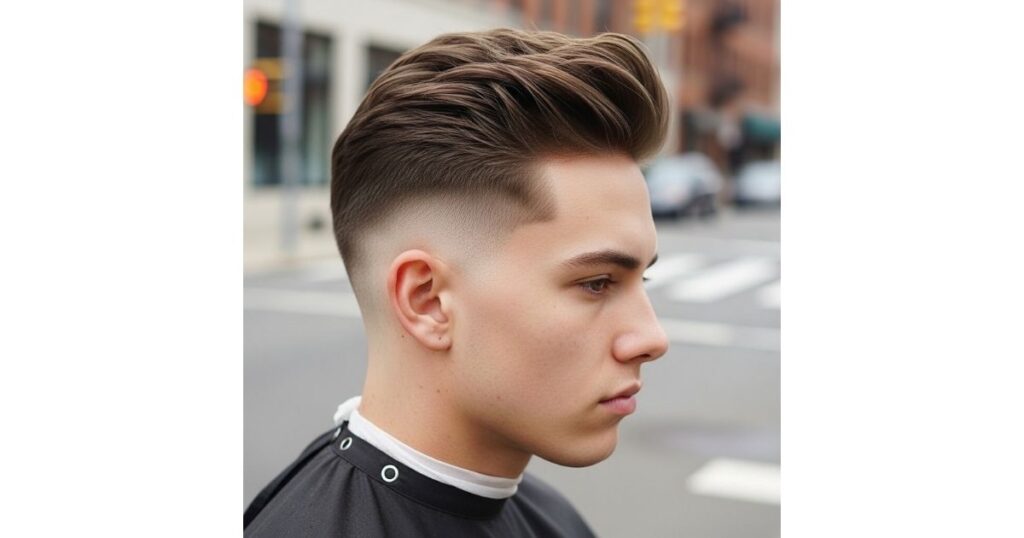
Also known as the Brooklyn fade or temp fade, this variation focuses the fade specifically around the temple and sideburn area while leaving the back and crown with more hair. The result is a clean, asymmetrical look that frames the face with precision. Temple fades are extremely popular among Black men because they work with afros, braids, waves, and curls without removing too much hair. Many barbers add a sharp line-up to finish the look.
4. Afro Taper Fade
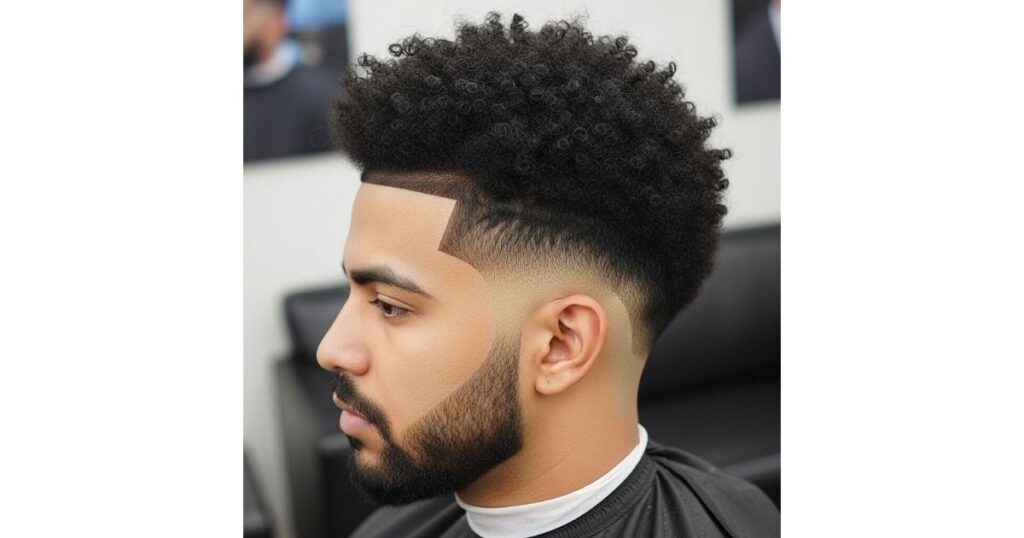
The afro taper fade combines the full volume of a natural afro with clean, tapered sides. The curls on top are left full and rounded while the sides transition smoothly into a shorter length. This style embraces natural Black hair texture while still giving the haircut a structured and modern barbershop finish. It suits men who want to celebrate their natural hair without looking ungroomed.
5. Curly Taper Fade
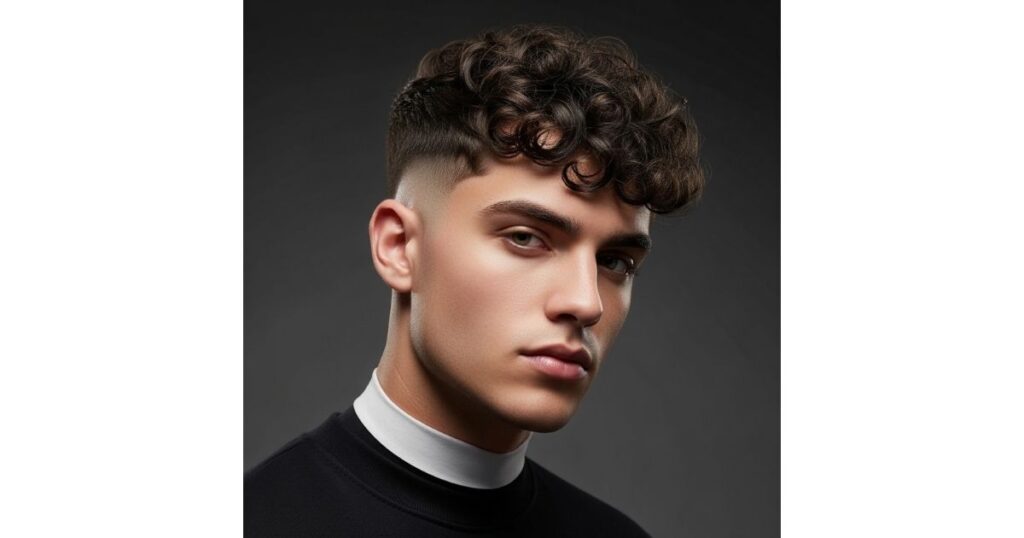
Designed for men with naturally curly or coily hair, the curly taper fade lets the curls on top remain defined and bouncy while the sides are tapered for contrast and control. The result is a hairstyle that looks styled without much daily effort. A curl-defining cream or lightweight pomade keeps the top curls popping while the clean taper keeps the sides neat.
6. Taper Fade with Beard
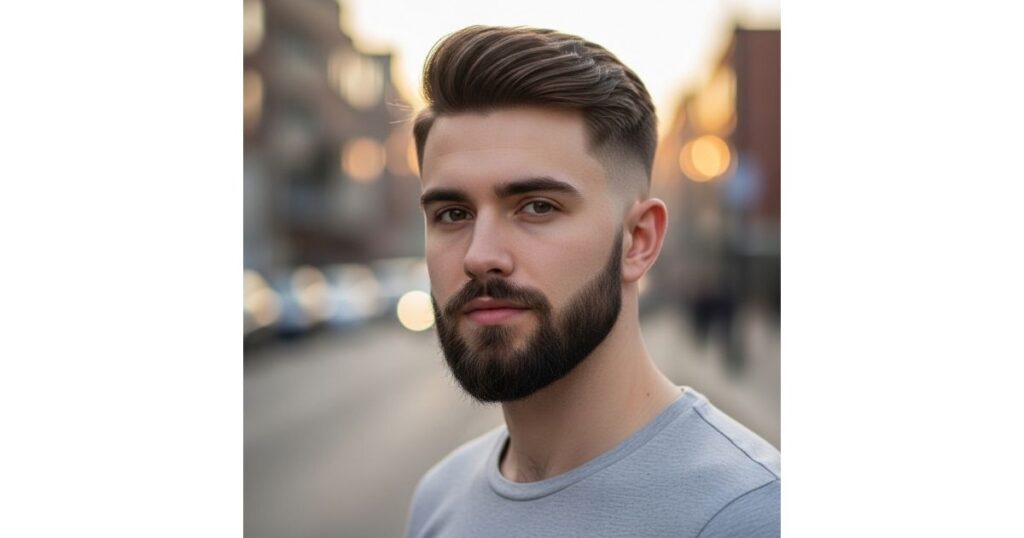
One of the most masculine and well-balanced looks in modern barbering, the taper fade with beard blends the haircut seamlessly into the facial hair. The fade at the sideburns transitions directly into a beard fade, creating one continuous gradient from the top of the head to the jaw. This style suits Black men with full beards, goatees, or even light stubble, as it frames the face powerfully and adds a polished structure to the entire appearance.
7. Drop Taper Fade
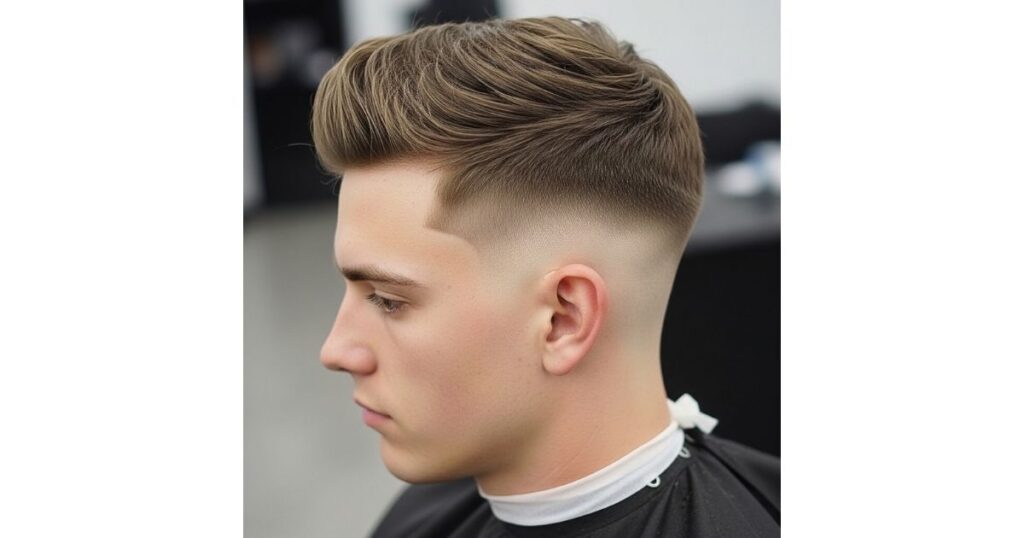
The drop taper fade gets its name from the way the fade curves downward behind the ear, following the natural contour of the head rather than running in a straight line. This curved effect adds depth and dimension to the sides, giving the haircut a more artistic and modern feel. It works especially well with waves and curly hair on top, where the flowing shape of the fade complements the natural movement of the hair texture above.
8. Taper Fade with Braids
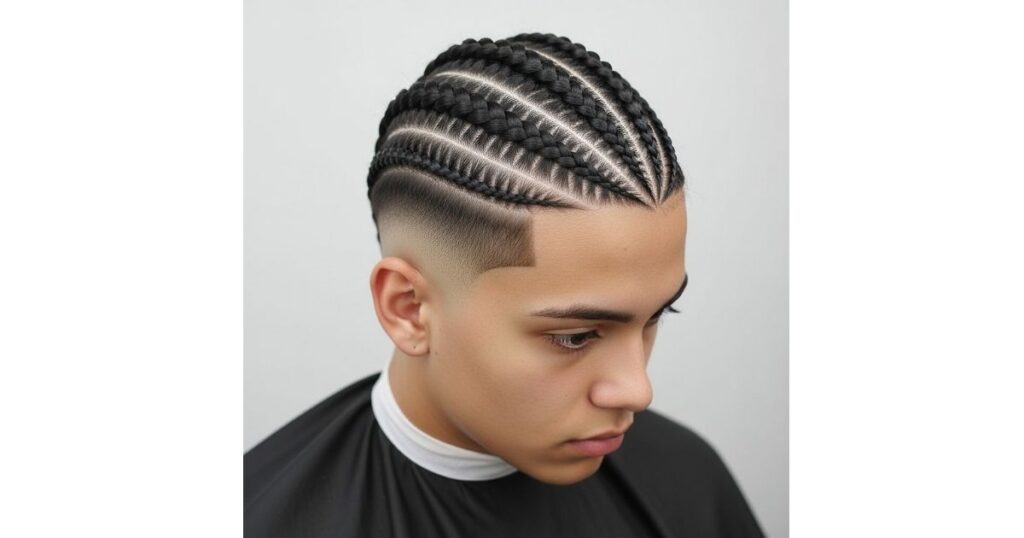
Combining protective braided styles with a clean taper fade is a popular choice for Black men who want the best of both worlds. Cornrows, box braids, and twist braids on top are paired with tapered sides that keep the neckline and sideburns sharp. This style lets you maintain longer protective styles while still looking sharp and well-groomed. It is also practical because the taper at the base stays neat even as the braids grow out over several weeks.
9. Quiff with Taper Fade
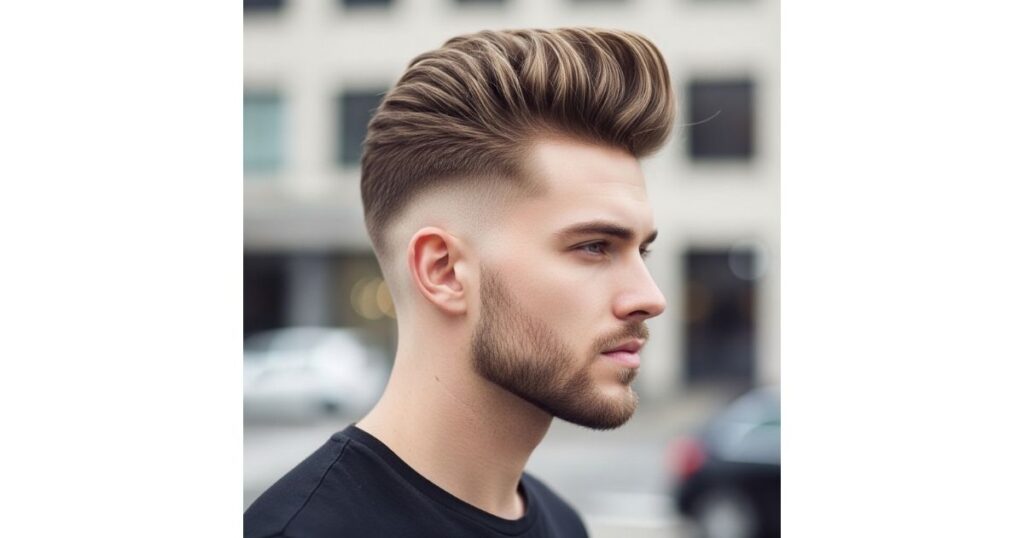
The quiff is a voluminous front style where the hair is swept upward and slightly back. When paired with a taper fade, the contrast between the full top and the tight sides creates a striking, fashion-forward look. This combination works particularly well for Black men with medium-length natural hair or stretched coils that can hold lift at the front. A lightweight pomade or clay with medium hold is the best finishing product for this style.
Taper Fade Ideas by Hair Texture
Hair texture plays a major role in how a taper fade looks and which variation works best for you. Black men have a wide range of hair types, from Type 3 curls to Type 4C coils, and the right fade choice depends on working with your natural pattern rather than against it.
Best Fade Types for Different Hair Textures
Type 3A to 3C (Loose to Tight Curls) Curly hair has defined ringlets that pop beautifully with a taper fade. A low or mid taper fade works best here because it keeps enough length on the sides to blend naturally with the curl pattern. The curly taper fade and quiff with taper fade are the most flattering choices for this texture.
Type 4A to 4B (Coily Hair) Coily hair holds shape and volume extremely well. Afro taper fades, frohawk styles, and high taper fades with defined coils on top look outstanding on this texture. The contrast between a full, round top and clean sides is at its sharpest with Type 4A and 4B hair.
Type 4C (Tightly Kinky Hair) The tightest curl pattern, 4C hair shrinks significantly but expands with moisture and styling. Low taper fades with shaped afros or sponge twists are ideal. Line-ups and shape-ups around the hairline help define the structure and give the cut a polished barbershop finish.
Waves For men with 360 waves, the low taper fade is the classic pairing. The fade frames the wave pattern without disrupting it. A wave brush and wave cream keep the top looking crisp while the tapered sides stay clean.
Which Taper Fade Fits Your Face Shape
Choosing the right taper fade height based on your face shape makes a significant difference in how balanced and proportionate you look.
Oval Face: The most versatile shape. Almost every taper fade variation works well. Low, mid, and high tapers all complement oval faces naturally.
Round Face: Go for a mid or high taper fade with extra volume on top. Adding height draws the eye upward and makes the face appear longer and more defined. Avoid styles that add width at the sides.
Square Face: A low taper fade with soft edges works best. The subtle blend softens the strong jawline without hiding it. Avoid very high fades that make angular features appear too sharp.
Diamond Face: Choose a style that adds fullness at the sides around the temple area. A temple fade or low taper with volume at the mid-point of the head creates balance.
Oblong or Long Face: Keep more length on the sides and opt for a low taper. Adding width rather than height helps balance a longer face shape. Avoid very high contrasts that elongate the appearance further.
How to Ask Your Barber for a Taper Fade
Communication is the most underrated part of getting a great haircut. Being specific saves you from leaving the chair disappointed.
When you sit down, tell your barber three things: where you want the fade to start (low, mid, or high), how much length you want on top, and whether you want any additional details like a line-up, beard fade, or design work.
Bring reference photos. Saving two or three images from Instagram or Pinterest and showing them to your barber eliminates guesswork completely. Even experienced barbers appreciate a visual reference because it confirms that you and your barber share the same vision.
Pro Tips from U.S. Barbers
- Always arrive with clean, dry hair unless your barber specifies otherwise. Clean hair shows the natural curl pattern and helps barbers see the texture clearly.
- Tell your barber how often you plan to get touch-ups so they can adjust the fade tightness accordingly. If you come back every two weeks, they can go tighter. If you stretch visits to four weeks, a slightly looser blend will look better longer.
- Ask specifically for a “skin taper” if you want the fade to go all the way down to the skin at the neckline. The term “taper” alone does not always mean skin fade.
- Ask for a line-up or shape-up separately if you want your hairline defined. This is a finishing step that dramatically sharpens the overall look.
- Trust the process. A good barber may recommend a different fade height based on your head shape. Stay open to their expertise.
How to Maintain a Taper Fade
1. Visit the Barber Regularly
A taper fade looks its best in the first one to two weeks after a fresh cut. To keep the lines sharp and the blend clean, plan to visit your barber every two to three weeks. Men with faster hair growth may need to go every two weeks, while those with slower growth can stretch visits to four weeks without the fade looking too grown out.
2. Use Quality Hair Products
The right products keep your hair moisturized, defined, and healthy between barber visits. For curly and coily hair, a leave-in conditioner applied to damp hair daily helps maintain moisture. A curl cream or light pomade keeps the top styled without weighing the hair down. Avoid heavy greases or products with petroleum, as these can clog hair follicles and dull the natural texture over time.
3. Protect Your Hair at Night
Sleeping on a cotton pillowcase causes friction that disrupts curl patterns and dries out the hair. Switch to a satin or silk pillowcase, or wear a du-rag or satin wave cap while you sleep. This is especially important for men with waves, as it preserves the pattern and keeps the hair pressed in the right direction overnight.
4. Adjust Your Routine by Season
In summer, heat and humidity can cause hair to frizz and swell. A lightweight oil like argan or jojoba oil applied to the ends controls frizz without heaviness. In winter, dry indoor air strips moisture from natural hair. Deep conditioning treatments every two weeks during colder months keep the hair soft, elastic, and resistant to breakage.
Average Cost of a Taper Fade in U.S. Cities
The cost of a taper fade varies widely depending on where you live and the caliber of your barber. Here is a general pricing breakdown based on current U.S. market rates:
| Location Type | Price Range |
| Small towns and suburbs | $25 to $40 |
| Mid-size U.S. cities | $35 to $55 |
| Major cities (NYC, LA, Chicago) | $50 to $80 |
| Premium urban barbershops | $65 to $95 |
Adding a beard trim, shape-up, or design work typically costs an extra $10 to $25 on top of the base haircut price. While budget options exist, investing in a skilled barber who understands Black hair textures will always produce better results and is worth the extra cost.
Best Hair Products for Black Men’s Taper Fades
The right products are essential for keeping a taper fade looking fresh between visits and maintaining the health of natural hair.
Recommended Products
Murray’s Superior Hair Dressing Pomade: A classic in Black barbershops, this pomade provides hold and shine for waves, short fades, and styled tops without weighing hair down.
Cantu Shea Butter Leave-In Conditioning Repair Cream: Ideal for curly and coily hair. Apply to damp hair after washing to lock in moisture and define curl patterns.
SheaMoisture Jamaican Black Castor Oil Strengthen and Restore Leave-In Conditioner: Great for men with Type 4 hair who need deep moisture and frizz control throughout the week.
Cremo Thickening Paste: A lightweight matte paste that adds texture and hold to the top without stiffness. Perfect for twist-outs, textured crops, and quiff styles.
Wave Nouveau Moisturizing Setting Lotion: Popular among wave enthusiasts for maintaining pattern definition and keeping the hair hydrated through compression.
Bevel All-In-One Wash: A gentle cleansing shampoo formulated specifically for coarse and curly hair. Keeps the scalp clean without stripping natural oils.
Trending Taper Fade Styles (2025 to 2026)
The taper fade continues to evolve as barbers push creative boundaries and cultural influences shape new aesthetics. The most exciting current trends reflect a blend of technical precision and personal expression.
Modern Style Inspirations
Geometric Line Designs with High Taper Fade: Intricate designs carved into the sides using precision clippers and razors are surging in popularity. Tribal motifs, custom initials, and geometric patterns transform the taper fade into wearable art.
Taper Fade with Textured Crop: A choppy, point-cut top paired with a mid or low taper fade is one of the most requested looks in urban barbershops heading into 2026. The disheveled top contrasts beautifully with tight, clean sides.
Color-Treated Taper Fades: Adding bleached tips, blonde highlights, or creative color to the top while keeping the sides natural is a growing trend, particularly in coastal cities like Miami, Los Angeles, and Atlanta.
Frohawk with Low Taper: A bold, creative style where the center of the hair is left full and textured while the sides taper down. It delivers edge and personality without the extremity of a full mohawk.
Taper Fade with Locs: As locs continue to grow in mainstream acceptance, barbers are pairing clean taper fades at the base with medium and long locs on top. The result looks intentional, polished, and culturally authentic.
Common Taper Fade Mistakes
Even a great style can go wrong without the right knowledge. Avoiding these errors keeps your taper fade looking its best.
Do Not Make These Errors
Skipping the consultation: Sitting down and saying “give me a fade” without specifying the height, top length, or any add-ons is the most common cause of unsatisfying results. Always describe what you want clearly or bring a reference image.
Washing your hair too often: Over-shampooing strips natural oils and dries out curly and coily hair. Limit shampooing to two to three times per week and use a co-wash or rinse-only method on other days.
Ignoring the neckline: The neckline is what people see from behind. If you let the neckline grow out without maintenance, the entire haircut looks neglected. Edging the neckline yourself with a trimmer between barber visits keeps the look sharp.
Using the wrong products: Heavy greases and alcohol-based gels dry out natural hair and cause buildup on the scalp. Stick to moisture-based products formulated for your specific hair texture.
Waiting too long between cuts: Stretching a taper fade beyond four weeks significantly dulls the blend. The clean gradient becomes unclear, and the style loses its shape. Regular maintenance is non-negotiable for a sharp, well-kept look.
Choosing a fade height that does not suit your face shape: A high fade on a round face without adding volume on top can make the face appear even rounder. Always consider face shape when choosing your variation.
FAQ’s
What is the difference between a taper and a fade?
A taper gradually shortens the hair near the edges while keeping some length throughout, giving a softer finish. A fade blends down to the skin for a sharper, higher-contrast look.
How long does a taper fade last before needing a trim?
Most taper fades stay sharp for two to three weeks. Men with faster hair growth may need a touch-up after two weeks to keep the blend clean.
Is a taper fade good for Black men with natural hair?
Absolutely. The taper fade is one of the best haircuts for natural Black hair because it complements coils, curls, and afros without removing natural texture or volume.
Can I get a taper fade with locs or braids?
Yes. A taper fade with braids or locs is a popular and practical combination. The fade keeps the neckline and sideburns clean while the protective style on top is maintained.
What is the best taper fade for a round face?
A mid or high taper fade with volume on top, such as an afro or frohawk, works best for round faces. The added height balances the face proportions and creates a more elongated appearance.
How do I maintain a taper fade at home between visits?
Keep the hair moisturized with a daily leave-in conditioner, sleep with a du-rag or satin cap, and use a trimmer to edge the neckline if needed. Visit your barber every two to three weeks for a proper touch-up.
Does a taper fade work for all hair types?
Yes. A taper fade works for straight, wavy, curly, and coily hair. However, the best results on Black hair come from a barber who has experience working with coarse and textured hair types.
Conclusion
The taper fade is one of the most versatile, timeless, and culturally significant haircuts in modern barbering. For Black men, it serves as a foundation that works with every hair texture, face shape, and personal style. Whether you prefer the understated elegance of a low taper, the bold statement of a high fade, or the creative expression of a drop or temple fade, there is a version of this haircut that was made for you.
The key to a great taper fade is knowing what you want, communicating clearly with your barber, using the right products for your hair type, and maintaining the cut consistently. When all of those elements come together, the taper fade does not just make you look good. It makes you feel sharp, confident, and fully in control of your style.