
There is a certain kind of style that never announces itself loudly. It does not chase trends, rely on flashy products, or beg for attention. Old money hairstyles for men work exactly that way. They signal wealth, taste, and quiet confidence through clean lines, proper structure, and timeless grooming. Whether you have been drawn to the Ivy League aesthetic, prep school culture, or simply want a haircut that looks polished in every room you walk into, this guide covers everything you need to know.
Top Old Money Hairstyles for Men
The cuts below have been worn by Ivy League graduates, European aristocrats, and modern professionals for generations. Each one prioritizes refinement over trends, making them just as relevant today as they were decades ago.
Classic Taper
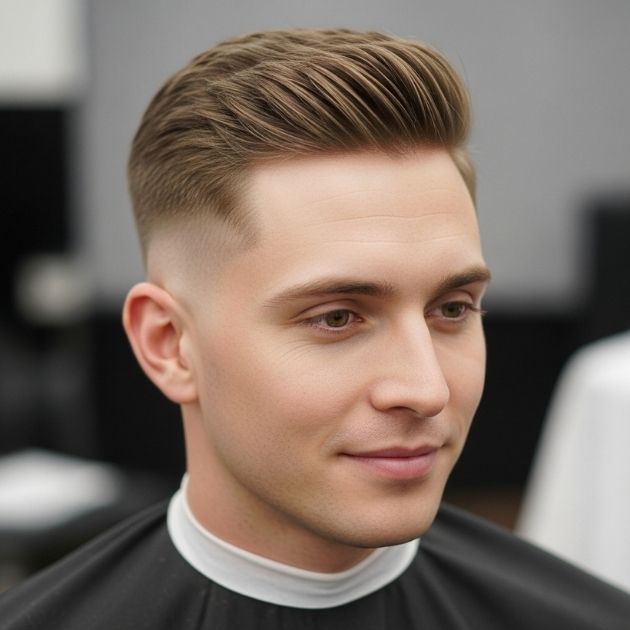
The classic taper keeps the hair full and neat on top while the sides gradually shorten toward the neck. It is one of the most versatile old money haircuts for men, working well in both boardrooms and casual settings. The result looks intentional, structured, and polished without any effort. It suits virtually every face shape and hair type, which is why it remains a cornerstone of traditional men’s grooming.
French Crop
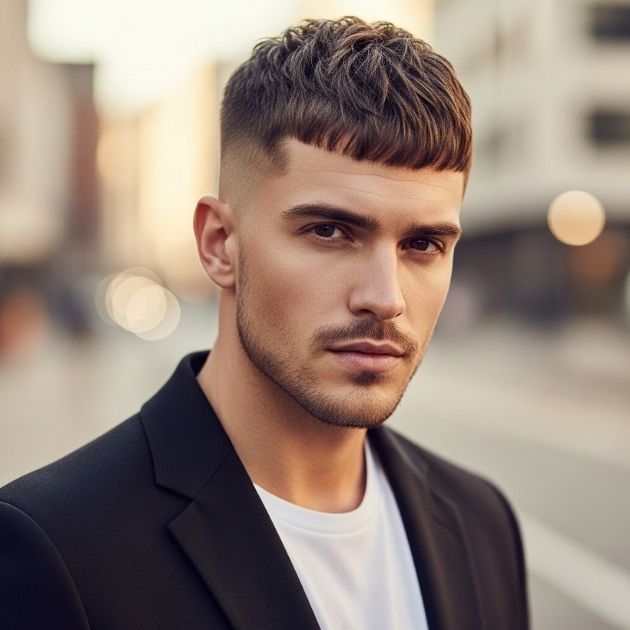
The French crop sits short on the sides with a textured fringe sitting neatly across the forehead. It is a refined, European-influenced cut that looks effortlessly clean without demanding much daily styling. Men with straight or slightly wavy hair tend to carry it best. The cut channels old school prep culture while staying sharp and modern enough for today’s professional environments.
Undercut
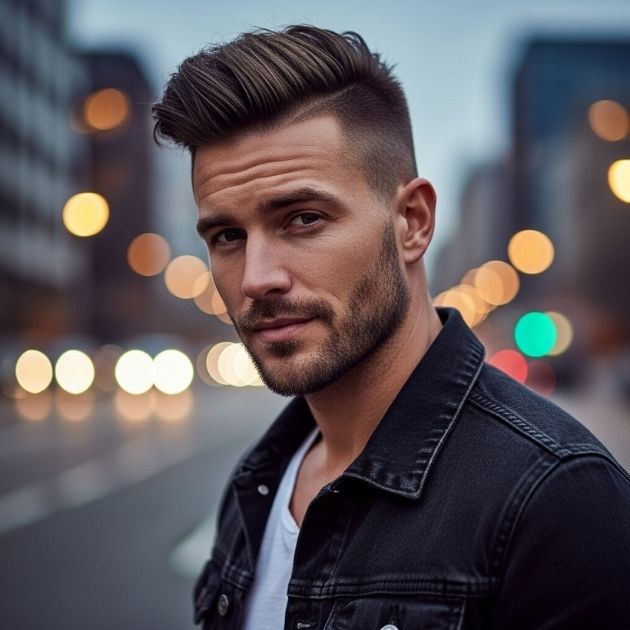
The undercut features closely cropped sides with noticeably longer hair on top. The contrast between the two lengths creates a structured, sharp silhouette. While it has been popular across many eras, the old money version stays away from dramatic fades or extreme volume. The top is styled with minimal product for a smooth, understated finish that looks refined rather than flashy.
Ivy League Cut
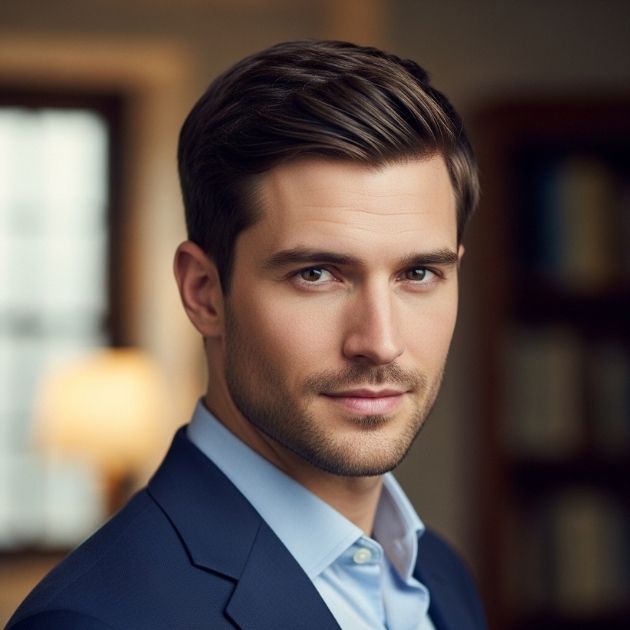
The Ivy League cut is arguably the most iconic old money hairstyle in men’s grooming. Named after the prestigious universities where it became popular in the early 20th century, this cut features 1.5 to 2 inches of length on top and tapered sides. It can be styled with a clean side part or brushed back casually. John F. Kennedy made it famous, and it continues to signal quiet authority and academic sophistication.
Classic Slick Back
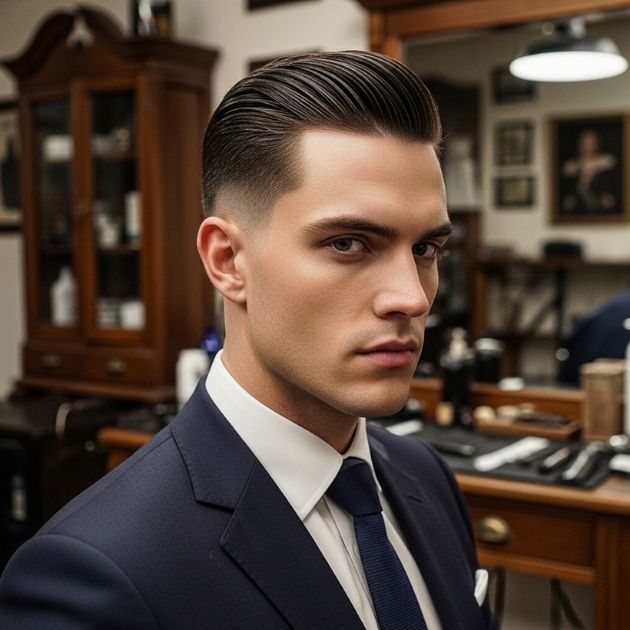
The classic slick back sweeps all the hair straight back from the forehead for a clean, confident look. The sides stay short and tapered while the top carries enough length to lie flat and smooth. A small amount of light pomade or styling cream holds everything in place. It is the kind of cut that suits formal occasions but looks equally sharp at a weekend social gathering.
Classic Pompadour
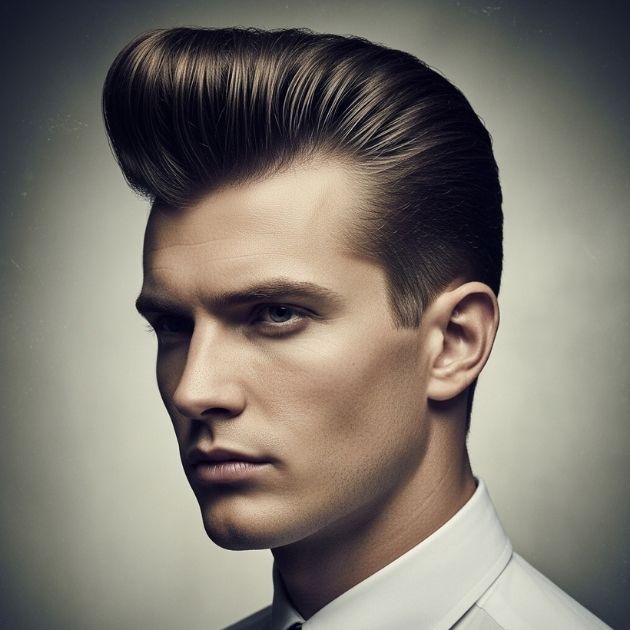
The classic pompadour builds volume at the front of the hairline and sweeps upward and back. It is a style rooted in heritage grooming, worn by mid-century icons and refined gentlemen alike. The old money version stays controlled. Volume is present but not exaggerated. The sides are tapered clean and the overall finish looks expensive without trying too hard.
Layered Cut
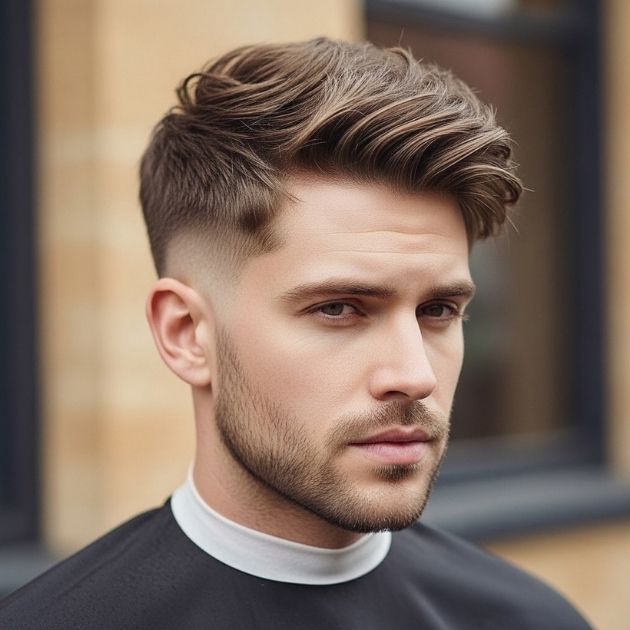
A layered cut adds movement and dimension to medium-length hair. The layers are cut strategically to reduce bulk, define shape, and let the hair sit naturally. It works particularly well for men with thicker hair who want a polished look that does not feel heavy or overdone. The layered cut reflects that careful, thoughtful grooming approach central to the old money aesthetic.
Caesar Cut
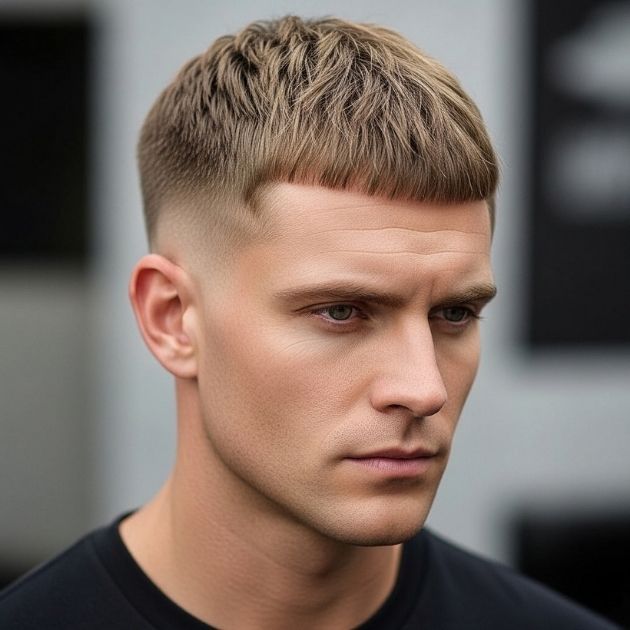
The Caesar cut features a short, horizontally styled fringe at the front with uniform length across the top and tapered sides. It is a clean, low-maintenance option that has appeared on Roman emperors and modern professionals alike. The style looks composed and well-groomed without any elaborate product work. It suits men who prefer simplicity and structure in equal measure.
Classic Quiff
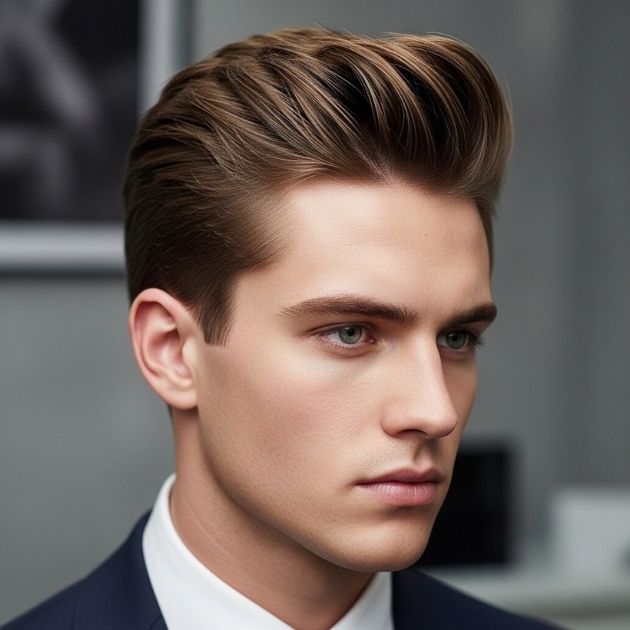
The classic quiff sweeps hair upward and back from the forehead to create a modest lift at the front. It carries some volume but avoids the exaggerated height of older trend-based versions. A small amount of medium-hold product shapes the quiff without making it stiff. This style works especially well with oval and square face shapes and suits men who want a haircut with subtle personality.
Layered Medium Cut
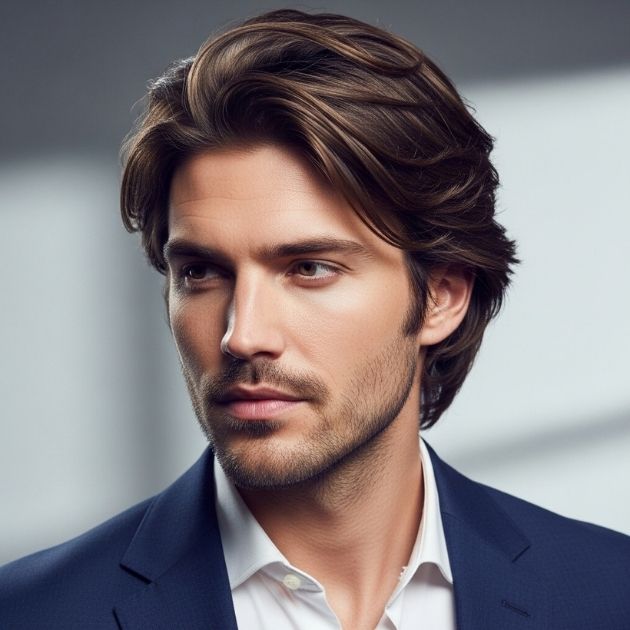
The layered medium cut sits between the ears and the shoulders in length. It uses softly layered sections to create a natural, effortless shape. This is an ideal option for men with wavy or naturally textured hair who want a relaxed but clearly groomed appearance. The cut avoids the messiness often associated with longer hair while still projecting that effortless, wealthy ease so connected to old money style.
Classic Comb Over
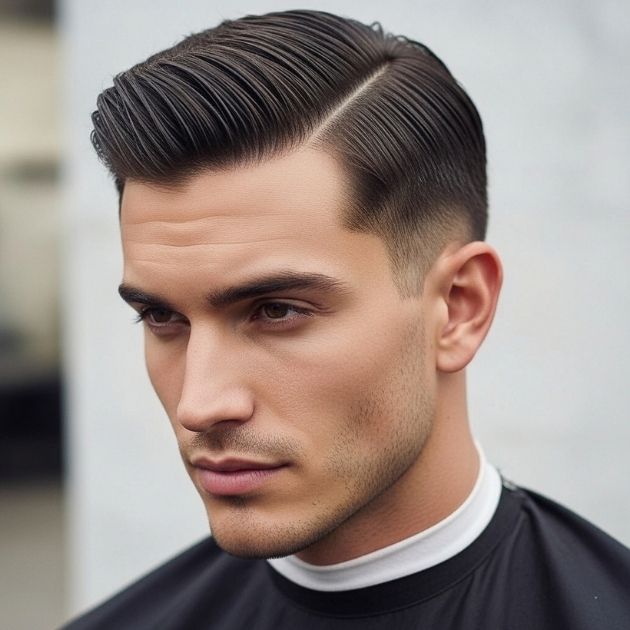
The classic comb over parts the hair on one side and sweeps the bulk across the top of the head. It is a disciplined, structured look that has been associated with professional and elite circles for over a century. The old money version uses a natural part rather than a razor line, and the hair is combed with light product for a smooth, controlled finish.
Bro Flow

Bro flow refers to medium-to-long hair worn loose and naturally swept back from the face. The cut stays clean at the sides and nape while the top is left longer to move freely. It is an approachable, relaxed version of the old money look, popular among men who favor a more casual expression of the aesthetic. When paired with quality grooming habits, it reads as effortlessly refined rather than unkempt.
Side Fringe
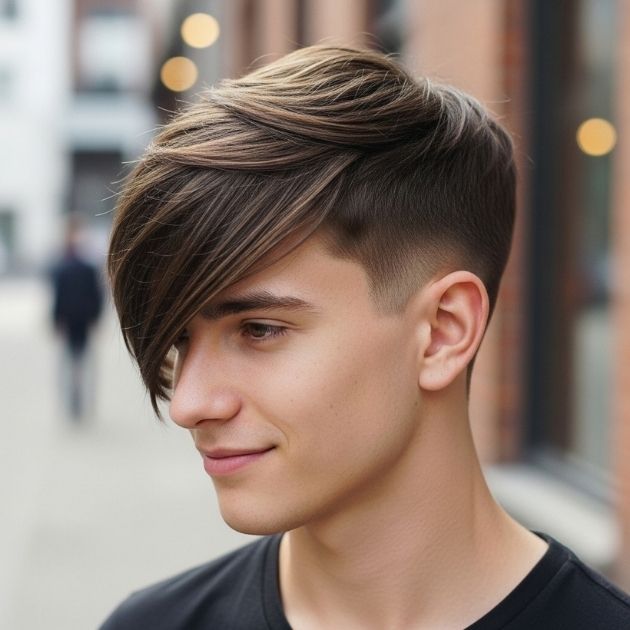
The side fringe cuts longer hair across the forehead and sweeps it gently to one side. It creates a soft, slightly asymmetrical look that still feels very composed. The style pairs well with tapered sides and works across a range of hair types. Men who want a haircut that looks polished but carries a bit more movement than a strict side part often gravitate toward this option.
Classic Crew Cut
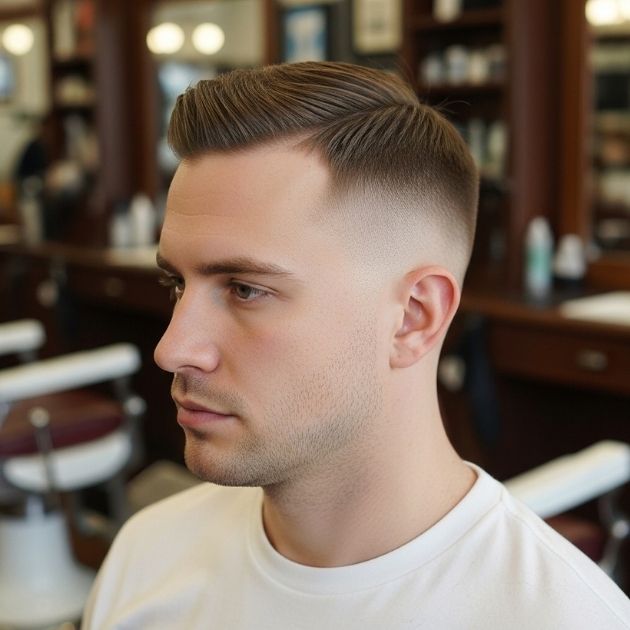
The classic crew cut keeps hair short and uniform across the top with tapered sides and back. It is rooted in military and prep school tradition and communicates discipline, cleanliness, and quiet confidence. There is no unnecessary length and no styling required. This cut makes maintaining a polished appearance almost effortless, which aligns perfectly with the old money philosophy of looking sharp without appearing to try.
Classic Side Part
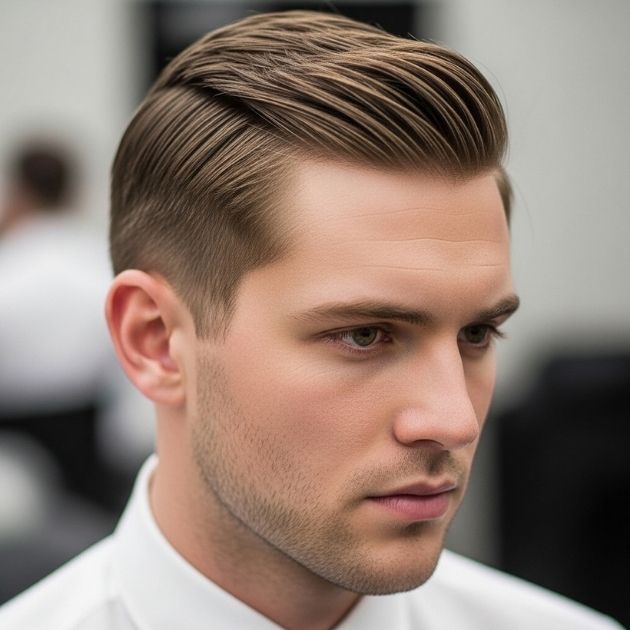
The classic side part divides the hair laterally with a clean, defined line and combs each section smoothly into place. It is considered one of the most universally flattering old money hairstyles for men, suiting oval, round, and square face shapes alike. A small amount of light pomade or cream adds healthy shine without making the hair look greasy. This cut has been a staple in elite grooming for generations.
Curtain Cut

The curtain cut parts hair down the center and falls softly on both sides of the face. It gained its iconic status in the 1990s and has since been reinterpreted as a quietly elegant, heritage-aligned choice. When kept at medium length with clean edges and minimal product, it looks natural and refined. It suits men with straight to slightly wavy hair who want a relaxed, European-inspired look.
Scissor Cut
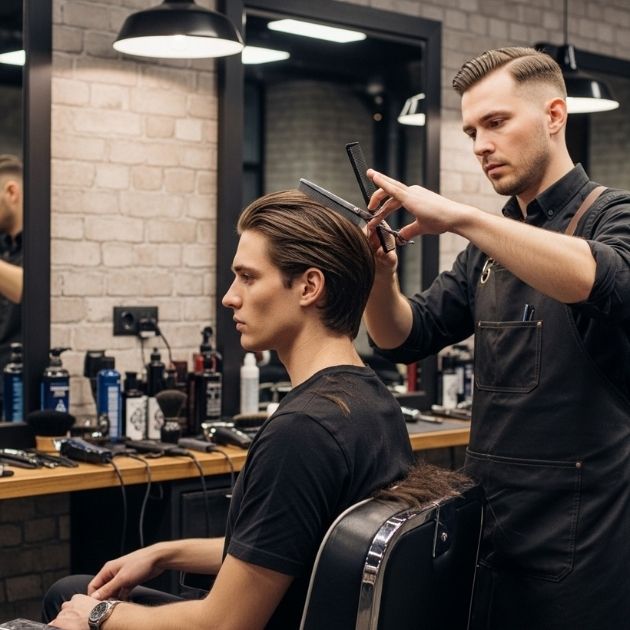
A scissor cut uses hand scissors rather than clippers to shape the hair. The technique produces a softer, more textured finish with subtle movement that clippers cannot replicate. Skilled barbers use scissor-over-comb and point-cutting methods to give each section a precise but natural appearance. For old money hairstyles, the scissor cut is often the preferred method because it avoids the harshness of machine-cut lines and delivers a polished, bespoke result.
Side Swept
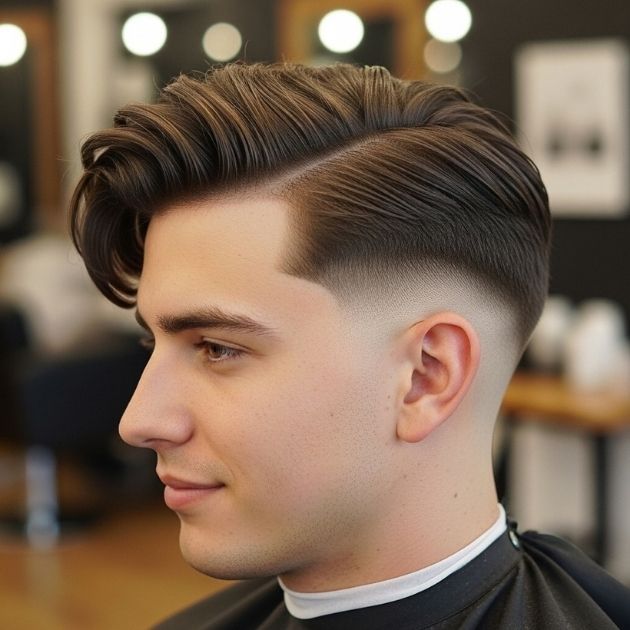
The side swept style directs hair across the forehead and to one side in a smooth, flowing line. It is elegant without being fussy, structured without feeling rigid. The side swept look works well for men whose hair has a natural wave or movement to it, as the texture adds depth to the overall shape. Minimal product is needed to keep the style in place throughout the day.
Brushed Back
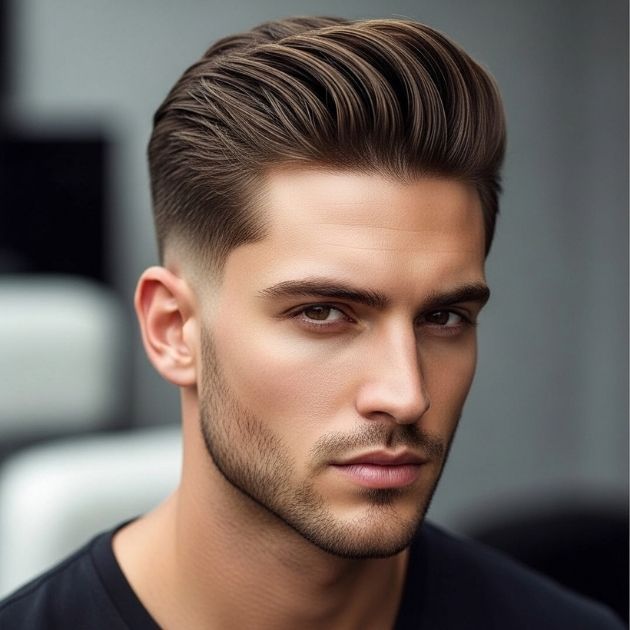
The brushed back style draws all hair away from the face with a brush or comb, sitting flat and smooth against the head. It is clean, unadorned, and signals a man who values grooming discipline. A light hold cream or styling balm keeps the hair in position without stiffness. This is a practical, low-effort option that consistently delivers the polished appearance essential to the old money look.
80/20 Haircut
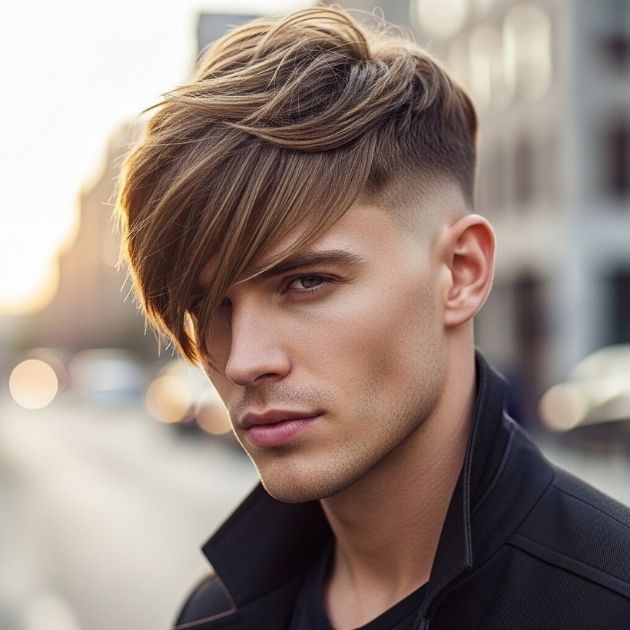
The 80/20 haircut distributes most of the hair to one side of the part, creating a slightly asymmetric but deliberate and balanced look. The heavier side carries the majority of the volume, while the lighter side stays close and tapered. It is a refined alternative to the traditional side part and works well for men who want something classic with a subtle distinction.
What Is an Old Money Hairstyle?
An old money hairstyle is a classic, well-structured men’s haircut rooted in heritage grooming traditions associated with Ivy League universities, European aristocracy, and generational wealth. These styles prioritize clean lines, natural texture, and understated elegance over anything trend-driven or excessive.
The philosophy behind old money grooming is one of restraint. The hair should look intentional but never overdone. There should be no extreme fades, no heavy product buildup, and no attempt to stand out. Styles like the side part, Ivy League, and classic taper have represented this ethos for over a century. They communicate wealth not through loudness but through the discipline and precision behind them.
How to Choose the Right Old Money Hairstyle
Consider Your Face Shape
Face shape is the most important starting point when selecting a classic haircut. Oval faces are the most versatile and suit nearly every style on this list. Round faces benefit from added height at the crown, making cuts like the Ivy League or brushed back particularly flattering. Square faces look best with softer styles and side parts that ease the angular lines of the jaw. Long or oblong faces should avoid excessive height and instead opt for wider, fuller cuts like the comb over or layered medium cut.
Know Your Hair Type
Hair type determines which styles hold best and look most natural. Fine hair benefits from cuts with moderate top length that create the illusion of volume. Thick hair performs well with layered or tapered styles that remove bulk and keep the shape clean. Wavy and naturally textured hair carries relaxed styles like the bro flow or curtain cut with ease. Working with your natural texture rather than against it always delivers a better, longer-lasting result.
Match the Style to Your Lifestyle
A haircut that does not fit your daily routine will rarely stay maintained. If your schedule moves between professional environments and social settings, cuts like the Ivy League, classic taper, or side part maintain their appearance with minimal upkeep and suit every context. If you prefer a more relaxed, low-maintenance approach, the bro flow, layered medium cut, or curtain cut require less daily effort. Most old money haircuts should be trimmed every three to five weeks to hold their shape.
How to Ask Your Barber for an Old Money Haircut
Use the Right Terms
Walk into your appointment with clear, specific language. Ask for a classic taper with scissor work on the sides, medium length on top, and a soft blend with no hard lines or skin fades. If you want a side part, specify which side and how defined you want the part to be. Use terms like low taper, scissor finish, and natural blend to communicate the refined, understated result you are after. Avoid vague directions like “make me look rich” as they leave too much room for interpretation.
Bring a Reference Photo
A well-chosen reference photo removes almost all ambiguity from the conversation. Choose a photo taken in good lighting that clearly shows the cut from the front and side. Images of men like John F. Kennedy, David Beckham in his classic phases, or contemporary professionals wearing Ivy League or side part styles work well. Reference photos save time, eliminate guesswork, and help your barber calibrate to your exact expectations.
Keep It Simple
Old money haircuts thrive on simplicity. Do not overcomplicate the request with multiple style variations or conflicting references. Pick one clear style, communicate it concisely, and trust your barber to execute it well. The best version of these cuts comes from a clear brief and a skilled hand. The goal is a haircut that looks effortless, not one that required a lengthy negotiation to achieve.
FAQ’s
What is the most popular old money hairstyle for men?
The Ivy League cut and classic side part are the most recognized, favored for their clean lines, versatility, and timeless association with refined masculine grooming.
Are old money hairstyles high maintenance?
Most are low to moderate maintenance, requiring a simple trim every three to five weeks and minimal daily product to stay looking clean and polished.
Can old money hairstyles work with curly or wavy hair?
Yes. Light layers help manage texture while keeping the style smooth and natural, making cuts like the layered medium cut or brushed back work well for wavy hair.
What products are best for old money hairstyles?
Light pomades, styling creams, and matte pastes work best. They provide enough hold and a healthy, natural shine without creating a heavy or greasy finish.
Is there a difference between a taper and a fade?
A taper gradually shortens hair from top to bottom with subtle blending. A fade involves a sharper, higher-contrast transition, often down to the skin. Old money styles always favor the taper over the fade.
Do old money hairstyles suit men of all ages?
Absolutely. The side part, Ivy League, and classic crew cut are age-neutral styles worn by men from their twenties through their sixties without ever looking out of place.
Conclusion
Old money hairstyles for men are not about following a trend. They are about choosing a standard. These cuts have stood for generations because they communicate something consistent: precision, restraint, and a sense of identity rooted in quality rather than noise. Whether you go with the enduring Ivy League cut, the elegant side part, or the relaxed ease of the bro flow, the common thread is a commitment to looking deliberately polished.
Choose the style that suits your face shape, works with your hair type, and fits your daily life. Then maintain it with quality grooming habits and regular barber visits. That consistency is what separates a man who merely got a haircut from one who carries the old money look with genuine authenticity.