The modern wavy mullet is no longer just a nostalgic throwback. In 2026, it has become one of the most sought-after haircuts across barbershops and social media feeds. With its natural texture, layered movement, and versatile structure, this style suits a wide range of hair types and face shapes. Whether you are just discovering the trend or looking to refine your current cut, this guide covers everything you need to know, from the best style variations to barber communication tips and daily maintenance routines.
What Is a Modern Wavy Mullet Hair Cut?
The modern wavy mullet is a contemporary evolution of the classic cut. It features a shorter, textured top, neatly tapered or faded sides, and a longer flowing back. Unlike its predecessor, this version prioritizes blending, movement, and personal expression over harsh disconnection.
Modern Mullet vs Classic Mullet
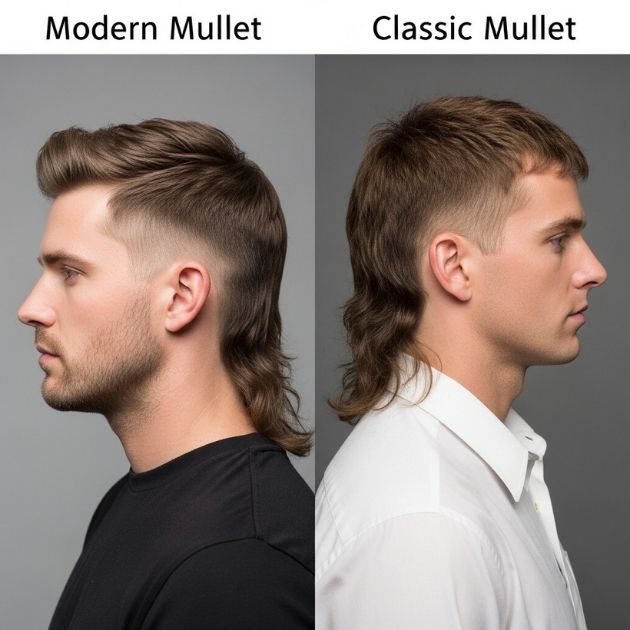
The classic mullet from the 1980s was defined by sharp, abrupt contrast between the short front and long back. The modern version smooths out that transition with precision fades, layered textures, and intentional shaping. Where the old mullet screamed outdated, the new one communicates confidence and edge.
Key differences at a glance:
- Classic mullet: hard disconnection, flat top, uniform sides
- Modern mullet: blended fades, textured crown, natural layering
- Modern version: suits professional and casual settings alike
Key Features of a Wavy Mullet
The defining characteristics of this cut include:
- Shorter sides with a taper or fade
- Volume and texture on the crown
- Longer length at the nape, often reaching the collar or beyond
- Layered structure to enhance natural movement
- Soft, blended transitions rather than blunt lines
Why Wavy Hair Works Perfectly for a Mullet
Wavy hair brings a natural advantage to the mullet silhouette. The built-in texture adds volume without requiring extra product, and the wave pattern creates visual interest at every length. Wavy strands also hide imperfect blending lines better than straight hair, giving the overall shape a more forgiving, effortless finish. Stylists often note that clients with Type 2 wavy hair get the most dynamic results with minimal styling effort.
15 Best Modern Mullet with Wavy Hair Styles
Textured Wavy Mullet
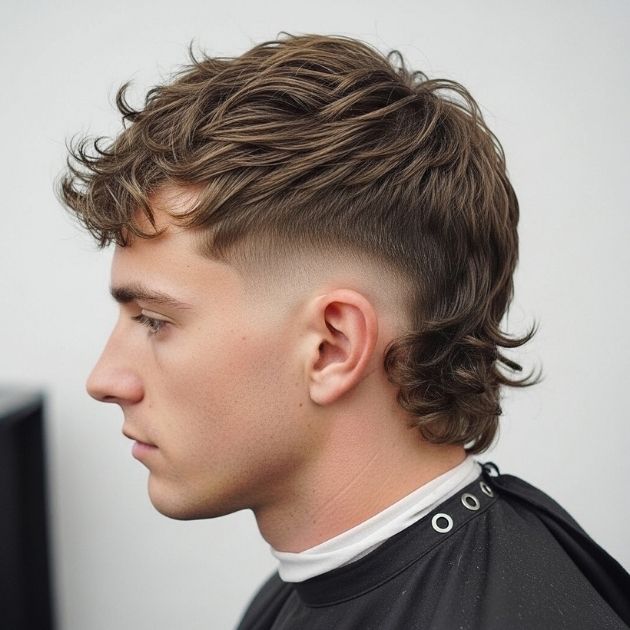
This is the foundation style. The top is cut with point-cut or razor techniques to create choppy, layered texture that activates wave movement. A small amount of sea salt spray or texturizing paste brings it to life instantly. Great for oval and square face shapes.
Low Taper Wavy Mullet
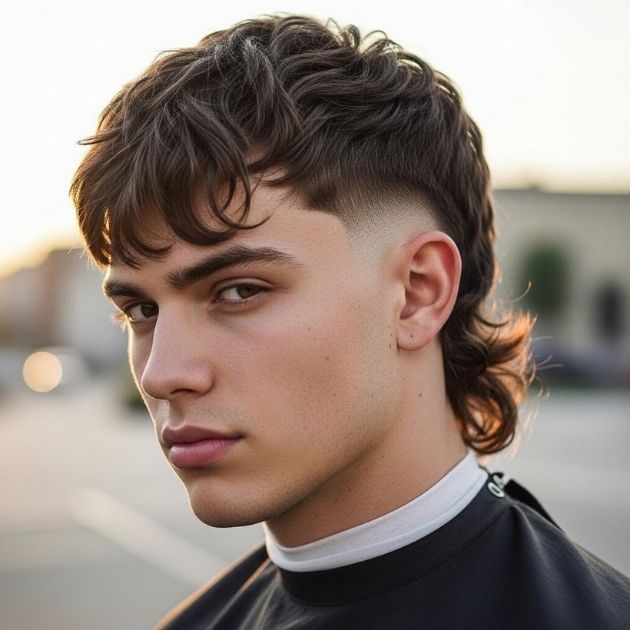
The low taper keeps hair fuller on the sides with only a subtle fade near the ear and neckline. This is the most professional-friendly variation and works well in both office environments and casual settings. It is ideal for first-time mullet wearers who want to ease into the trend.
Mid Fade Wavy Mullet
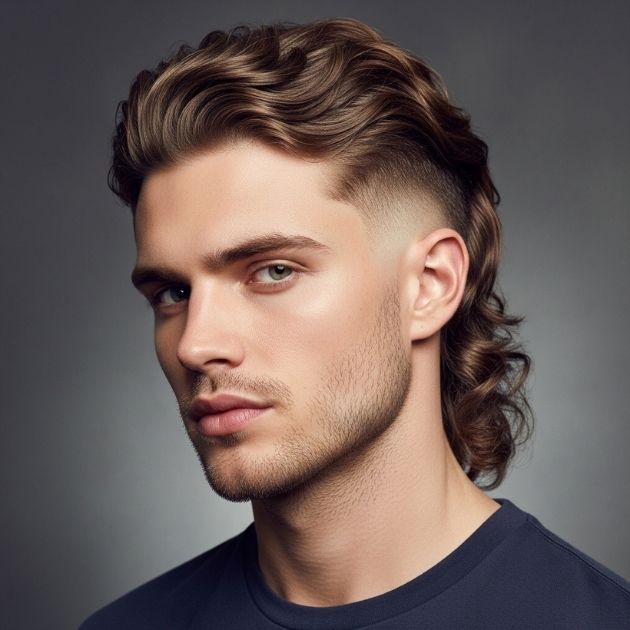
The mid fade starts above the ear and blends cleanly upward into the textured top. This creates noticeable contrast without being extreme. The wavy texture on top softens the sharpness of the fade and makes the overall look feel balanced and intentional.
Burst Fade Wavy Mullet
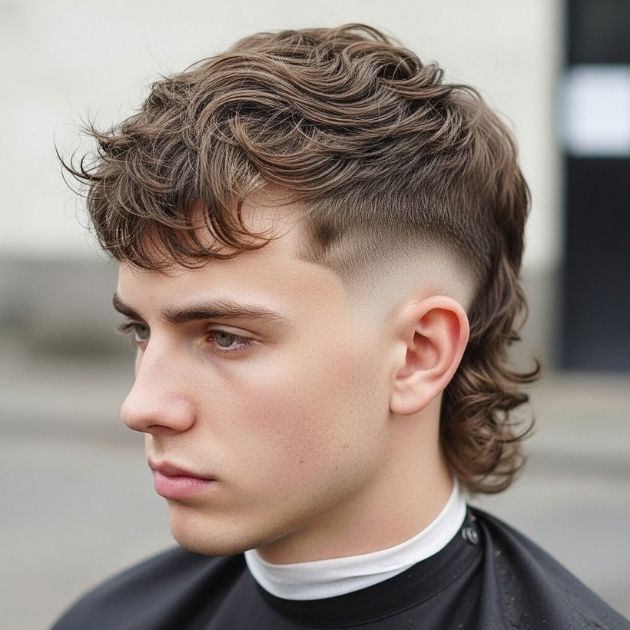
The burst fade follows the natural curve of the ear, creating a rounded, sculpted arc that contrasts beautifully with the flowing back. This variation works especially well with medium to thick wavy hair. Style the top with a blow dryer and a light hold clay for best results.
Layered Wavy Mullet
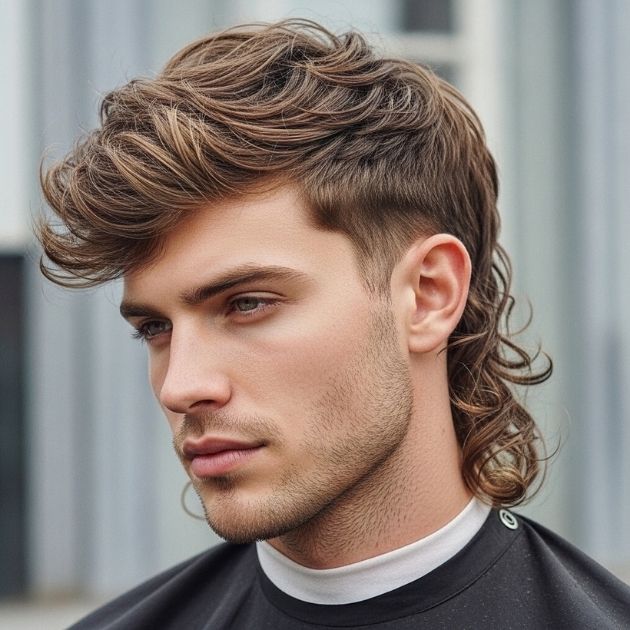
Layers are cut throughout the entire length of the hair, from crown to nape, to create continuous movement. This style works well for thick wavy hair that might otherwise look bulky. The layering removes weight while maintaining fullness and shape.
Shaggy Wavy Mullet
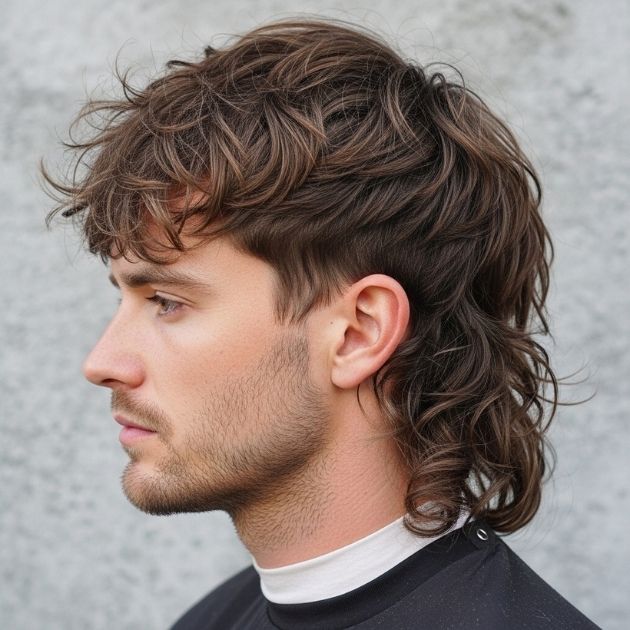
Inspired by the grunge aesthetic, the shaggy variation features unstructured, almost undone layers that emphasize a carefree, rebellious vibe. It suits round and oval face shapes and pairs naturally with medium-density wavy hair. Sea salt spray and air-drying are all you need to nail this look.
Curly-Wavy Mullet
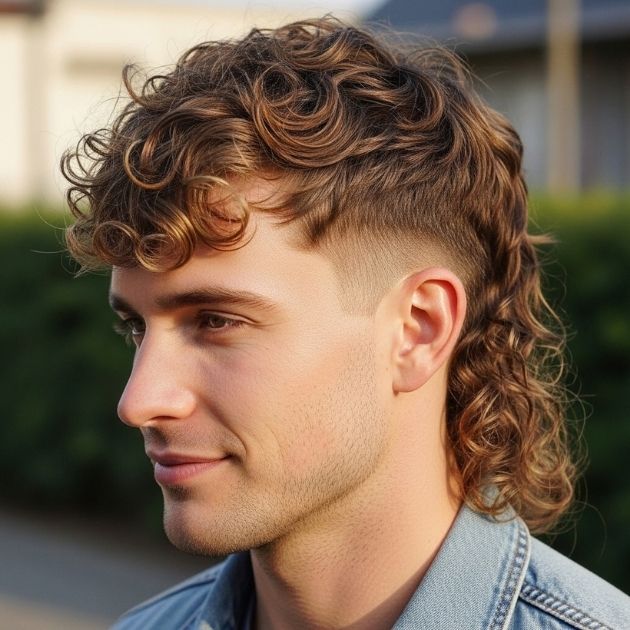
For those with looser curl patterns or coily waves, this variation embraces natural texture at full volume. Use a curl-defining cream and a diffuser to enhance the curl structure without creating frizz. This is one of the most high-impact, standout versions of the wavy mullet.
Wolf Cut Mullet
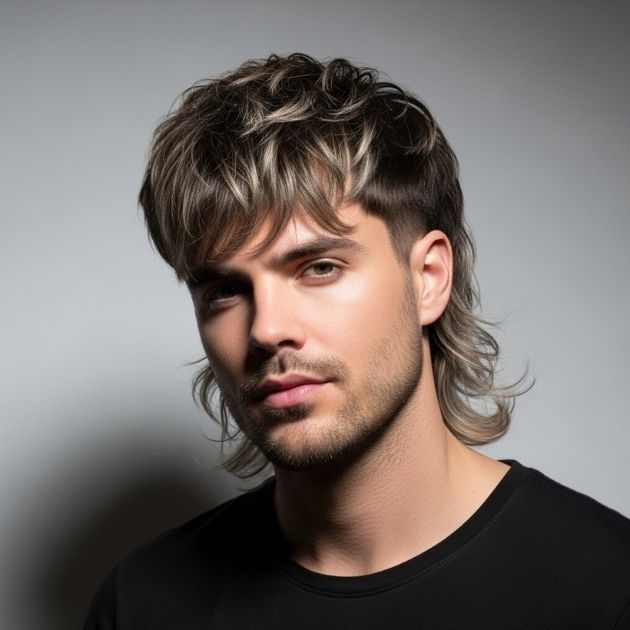
The wolf cut mullet is a hybrid style combining the heavy layers of a 1970s shag with the structure of a traditional mullet. It has become a gender-neutral favorite in 2026 for its ability to create dramatic, face-framing volume. Thick, wavy, and medium-textured hair types work best with this variation.
Undercut Wavy Mullet
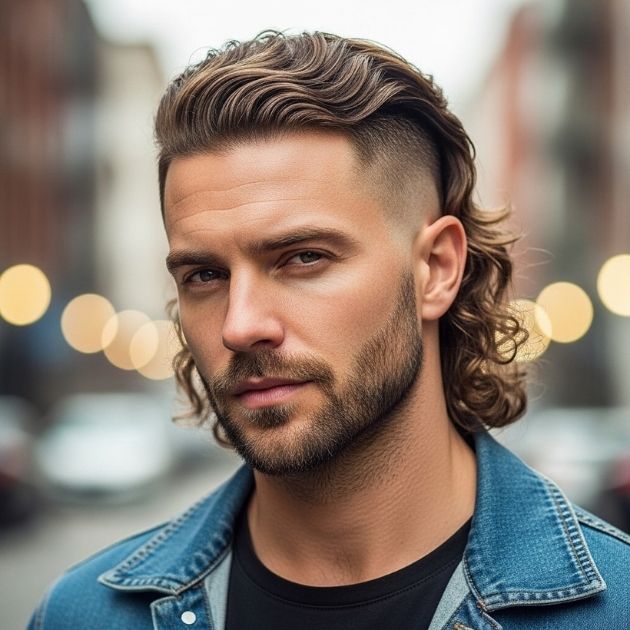
The undercut removes hair close to the scalp on the sides and back, creating a dramatic disconnection from the longer top and back sections. The wavy texture floating above the shaved sides creates a striking, high-contrast aesthetic that works well for thick hair.
Long Wavy Mullet
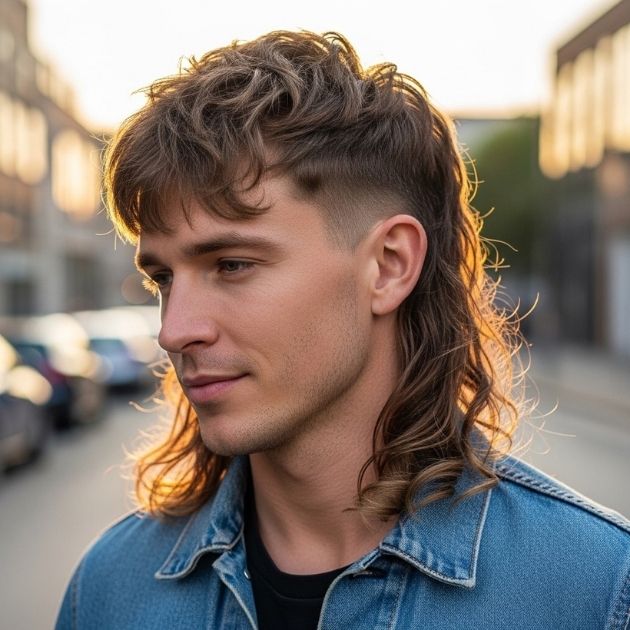
For those willing to commit to growth, the long wavy mullet lets the back reach shoulder length or beyond. The top stays shorter and more structured while the back flows freely. This is the boldest variation and makes the most visual impact when the waves are well-defined.
Short Wavy Mullet
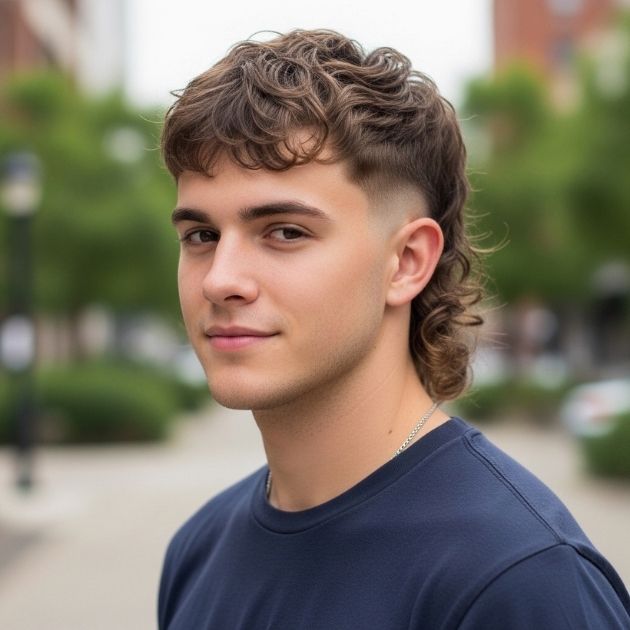
Often called the “baby mullet,” this version uses modest proportions. The top and back are kept relatively short, making it a low-commitment entry point into the trend. It is easier to maintain and works across a wider range of environments, including workplaces with stricter dress codes.
Mullet with Curtain Bangs
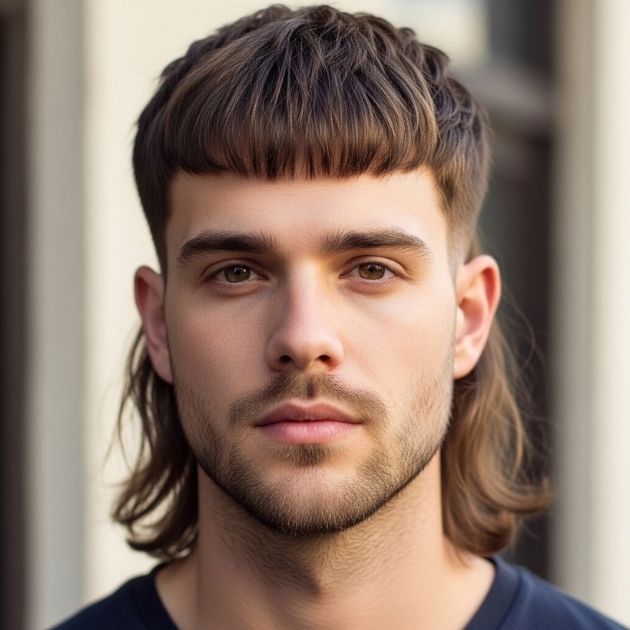
Curtain bangs fall naturally from a center part and frame the face on both sides. Paired with a mullet back, this combination creates a soft, balanced silhouette. It draws inspiration from Korean and K-pop styling trends and works beautifully with straight to slightly wavy hair.
Mullet with Fringe
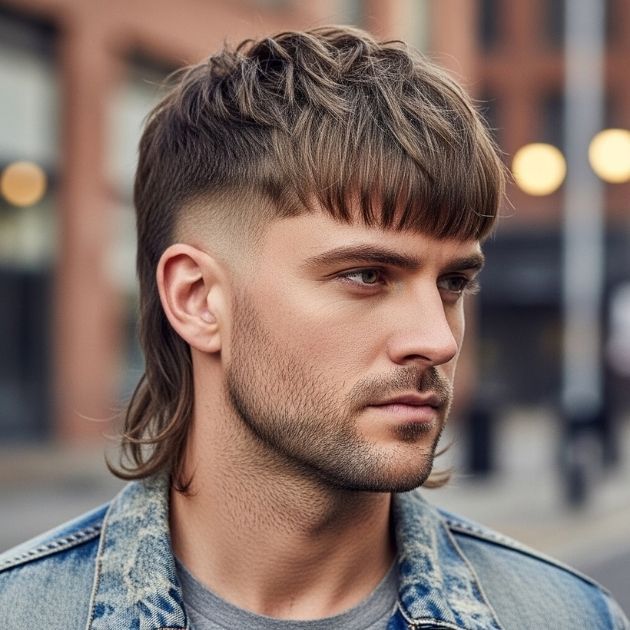
A fringe sits across the forehead rather than parting to the sides. This adds structure to the front of the cut and creates a more directional, intentional look. For wavy hair, a light blow-dry with a round brush keeps the fringe smooth while allowing natural texture in the back.
Messy Beach Wave Mullet
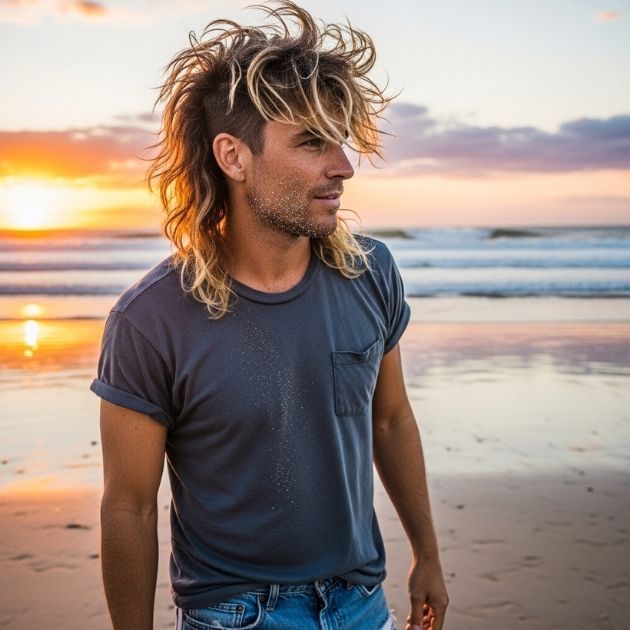
This variation leans into a lived-in, sun-kissed aesthetic. The waves are loosely defined, slightly tousled, and effortlessly casual. A small amount of sea salt spray on damp hair, left to air dry, is the only styling required. It is the easiest variation to maintain day to day.
Thick Wavy Hair Mullet
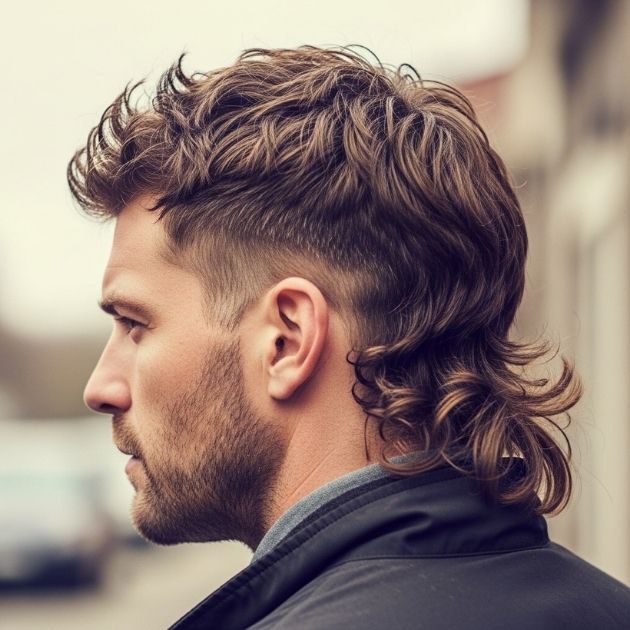
Thick wavy hair has unique needs. Thinning shears are used during the cut to remove excess weight and allow the waves to move freely rather than sitting flat. Layers are essential in this variation to prevent the mullet from looking blocky or helmet-like at the sides.
How to Ask Your Barber for a Wavy Mullet
Clear communication is the most important step before sitting in the chair. Vague instructions lead to guesswork, and guesswork leads to disappointment.
Length and Layer Recommendations
Start by specifying the length at each section:
- Top: leave enough to texture, usually 3 to 4 inches
- Sides: taper or fade based on preferred contrast level
- Back: state the exact target length, collar, shoulder, or beyond
- Ask for layers throughout to support wavy movement
A helpful phrase to use: “I would like a modern mullet with a textured top, [mid/low] fade on the sides, and the back left at collar length with layers to enhance my natural wave.”
Fade and Taper Options
Understand the fade vocabulary before you walk in:
- Low taper: subtle, professional, minimal contrast
- Mid fade: moderate contrast, versatile
- High fade or skin fade: bold, maximum contrast, requires more frequent upkeep
- Burst fade: curved around the ear, visually dynamic
Most 2026 wavy mullet styles lean toward low or mid fades for a balanced result.
Bringing Reference Photos
Always bring at least three reference images: one for the side fade, one for the back length, and one for the fringe or top texture. Barbers respond better to visual references than verbal descriptions. Pull photos from Instagram, Pinterest, or style guides and have them ready before your appointment.
How to Maintain a Modern Wavy Mullet
Daily Hair Care Tips
- Apply sea salt spray or a light curl cream to damp hair each morning
- Use your fingers or a diffuser rather than a brush to preserve wave shape
- Avoid heavy pomades that weigh down the waves and reduce movement
- Sleep on a satin or silk pillowcase to reduce frizz and breakage overnight
Weekly Maintenance Routine
- Wash your hair two to three times per week to preserve natural oils
- Deep condition once per week to keep the longer back section hydrated
- Use a leave-in conditioner on the nape and back to prevent split ends
- Trim visible split ends between appointments using small scissors if needed
How Often to Get a Trim
For styles with a skin fade or burst fade, visit your barber every two to three weeks to keep the edges sharp. For taper or low-fade variations, a trim every four to six weeks maintains the shape without much effort. The back length can be managed on a longer schedule, every six to eight weeks, depending on how quickly you want it to grow.
Pros and Cons of a Wavy Mullet
Benefits
- Works with natural wave texture, reducing the need for heat styling
- Versatile enough for casual, creative, and semi-professional environments
- Highly customizable with multiple fade and length options
- Trending strongly on TikTok and Instagram, offering a socially current look
- Natural waves hide minor blending imperfections better than straight hair
- Adds volume and movement without chemical treatments
Potential Drawbacks
- Skin fades and burst fades require frequent barbershop visits
- The longer back can become prone to tangling and split ends without proper care
- Not universally accepted in highly conservative professional environments
- Requires some product knowledge to style correctly without weighing down the waves
- Growing out the back while keeping the top trimmed demands patience and planning
Frequently Asked Questions
Is a wavy mullet suitable for all face shapes?
Most face shapes work well with this cut. Oval faces suit nearly every variation, while round faces benefit from extra volume on top to add height.
What products work best for a wavy mullet?
Sea salt spray, light curl cream, and matte clay are the most popular choices. Avoid heavy waxes that flatten the wave pattern.
Can I get a wavy mullet without natural waves?
Yes. A perm or texturizing treatment can add wave structure to straight hair, though this requires additional maintenance.
How long does it take to grow a full mullet back?
Depending on your starting length, a noticeable mullet back typically takes three to six months to develop.
Is the modern wavy mullet still trending in 2026?
Absolutely. It remains one of the top men’s haircuts of 2026, driven by viral TikTok content, celebrity influence, and barbershop demand.
What is the best fade for a wavy mullet?
A low taper or mid fade suits most lifestyles. A burst fade adds a bold, sculpted look for those who want more contrast.
Final Thoughts
The modern wavy mullet haircut has earned its place as one of the defining styles of 2026. It blends nostalgia with precision, individuality with wearability, and bold structure with effortless texture. Whether you opt for a subtle low taper with curtain bangs or a full shaggy wolf cut with a burst fade, wavy hair gives this cut a natural energy that straight hair simply cannot replicate.
The key to getting it right comes down to three things: choosing the right variation for your hair type and lifestyle, communicating clearly with a skilled barber, and committing to a simple but consistent maintenance routine. Get those three things right, and the modern wavy mullet will look sharp, fresh, and completely intentional every single day.