
The low taper fade quiff is one of the most requested men’s haircuts of 2026, and it’s easy to see why. It pairs a soft, gradual fade on the sides with a lifted, voluminous top that instantly sharpens your profile. Whether you’re heading into the office or out for the weekend, this cut adapts to almost any setting without losing its shape.
In this guide, you’ll find 20 trending variations of the low taper fade quiff, along with hair type recommendations, barber talking points, styling tips, and maintenance advice so you walk out of the chair with a cut that actually works for your face and lifestyle.
What Is Low Taper Fade Quiff
A low taper fade quiff is a men’s hairstyle that combines a gradual taper fade, starting low near the ears and nape, with a quiff on top that’s brushed up and slightly back for height and volume.
Unlike a high or mid fade, the low taper keeps the fade zone close to the hairline. This gives the haircut a softer, more subtle transition between the sides and the top, rather than the sharp contrast you’d see with a skin fade. The result is a cut that reads as clean and structured without looking too extreme.
The quiff itself traces back to mid-century styling, where hair was swept upward and back to create height at the front. Paired with a modern taper, it now feels fresh, current, and easy to adapt for 2026 trends.
Key features of the low taper fade quiff:
- Fade starts near the ear line and blends down to the neckline
- Top length usually ranges between 2 and 5 inches for styling flexibility
- Front section is lifted and directed slightly backward
- Works with straight, wavy, curly, and thick hair textures
- Can be styled sleek, textured, or messy depending on the occasion
Why Choose Low Taper Fade Quiff
Men choose the low taper fade quiff because it strikes a balance that few other haircuts manage: sharp enough for a barbershop finish, yet flexible enough for daily wear. Here’s why it continues to trend in 2026.
- Versatility across settings. It moves easily from a boardroom to a night out without needing a different style each time.
- Face shape friendly. The added height at the front elongates round faces and softens strong, square jawlines.
- Low maintenance fade zone. Because the fade starts low, it grows out slower than a high or skin fade, so you can stretch appointments a little longer.
- Works with most hair types. Straight, thick, wavy, and even curly hair can all be shaped into a quiff with the right product.
- Easy to personalize. You can go classic and combed, modern and textured, or messy and relaxed, all under the same base haircut.
- Photographs well. The height and clean lines hold their shape from multiple angles, which matters if you’re often in front of a camera.
Trendy Low Taper Fade Quiff Haircuts Styles
Below are 20 of the most popular low taper fade quiff variations for 2026, along with the hair types they suit best and a quick styling tip for each.
Low Taper Fade Quiff Classic Style
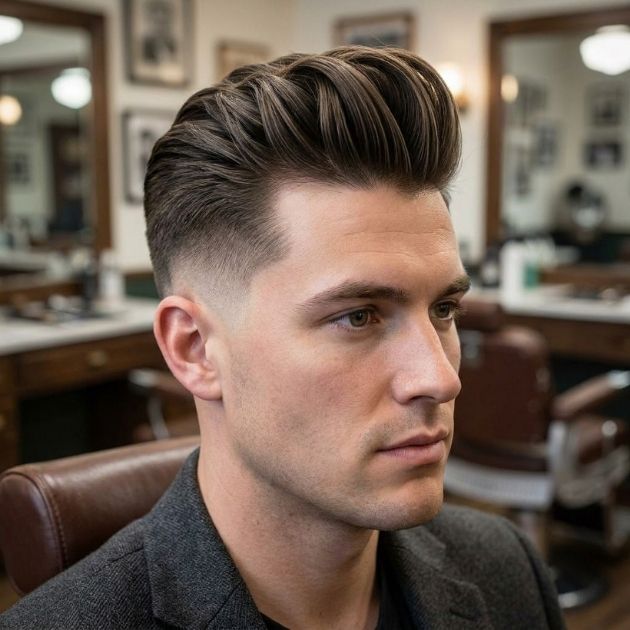
The classic version keeps the fade soft near the ears while the top is combed neatly upward for a timeless, barbershop finish that suits both casual and formal settings.
- Suitable Hair Types: Straight hair, thick hair
- Styling Tip: Use a light pomade and comb the quiff back for a polished, old school look.
Modern Quiff with Low Taper Fade
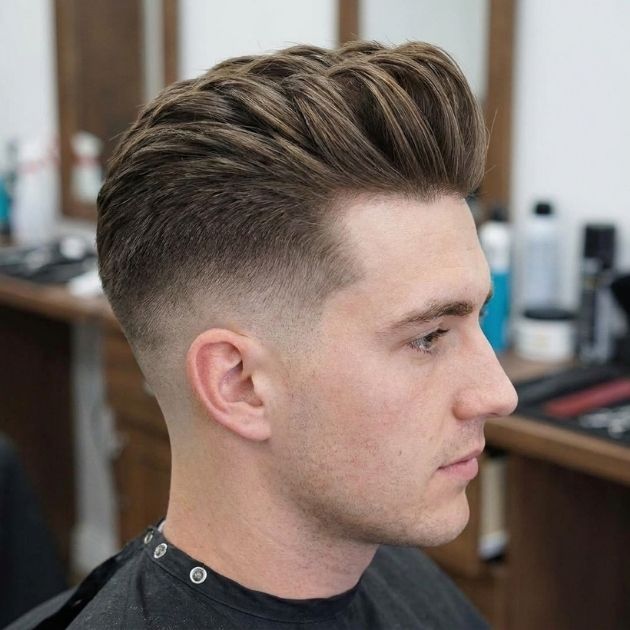
This variation sharpens the outline on the sides while keeping the top slightly more textured, giving it a fresher, more contemporary edge than the classic cut.
- Suitable Hair Types: Straight hair, wavy hair
- Styling Tip: Apply matte clay and rough-dry the top for natural movement.
Textured Low Taper Fade Quiff
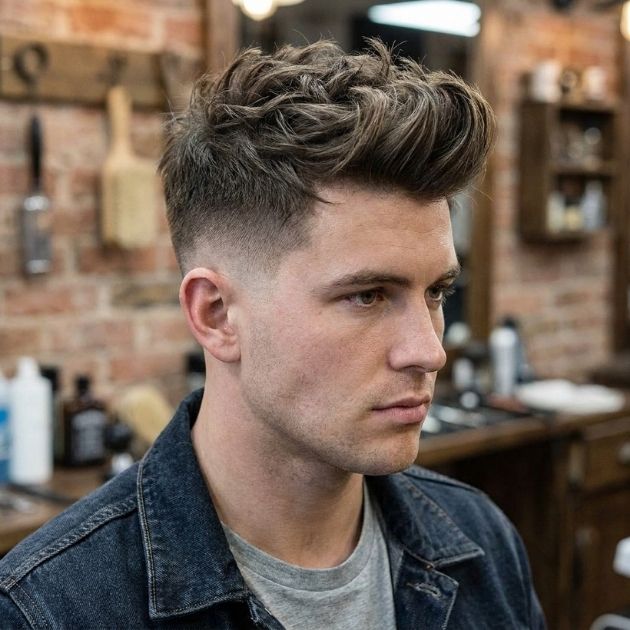
Texture adds dimension and a lived-in feel to the top, making the haircut look fuller without extra length. It’s a favorite for men who want volume that doesn’t feel stiff.
- Suitable Hair Types: Straight hair, slightly wavy hair
- Styling Tip: Work texture powder through damp hair before blow-drying upward.
Messy Quiff with Taper Fade
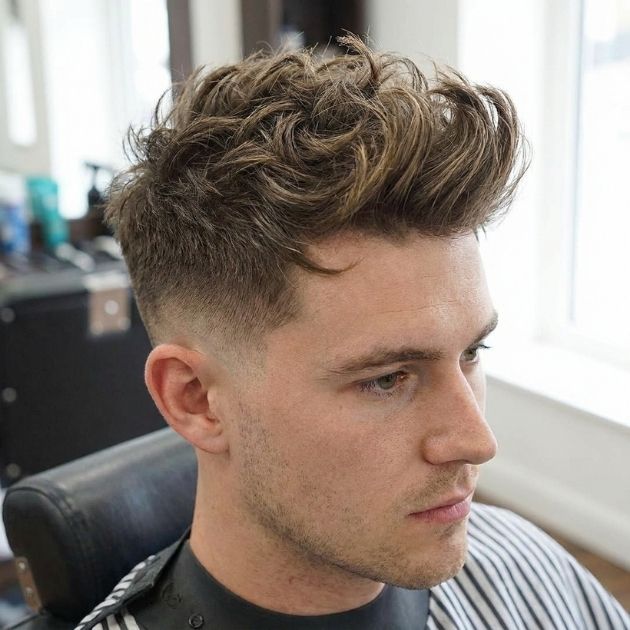
The messy quiff trades sleek lines for a relaxed, tousled finish on top while the sides stay tight and tidy, creating contrast between structure and casual texture.
- Suitable Hair Types: Straight hair, wavy hair
- Styling Tip: Scrunch a small amount of sea salt spray into damp hair, then air-dry.
Short Quiff Taper Fade Haircut
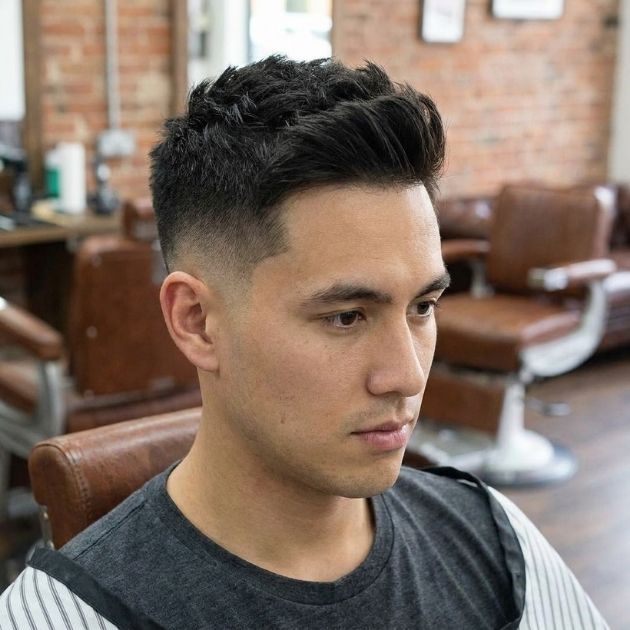
Keeping the top shorter reduces styling time significantly while still giving enough length to lift the front. It’s ideal for men who want a quick morning routine.
- Suitable Hair Types: Straight hair, thick hair
- Styling Tip: Use a light wax to hold the front without weighing the shorter strands down.
Long Quiff with Low Taper Fade
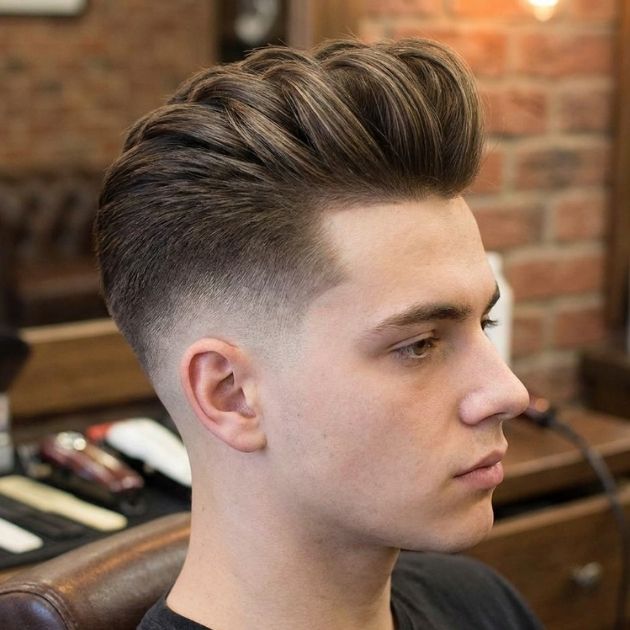
This bolder take keeps more length on top for extra height and drama, while the low taper fade keeps the sides controlled so the style doesn’t look overwhelming.
- Suitable Hair Types: Thick hair, straight hair
- Styling Tip: Blow-dry upward using a round brush for lift, then set with strong-hold mousse.
Clean Quiff Fade Style for Men
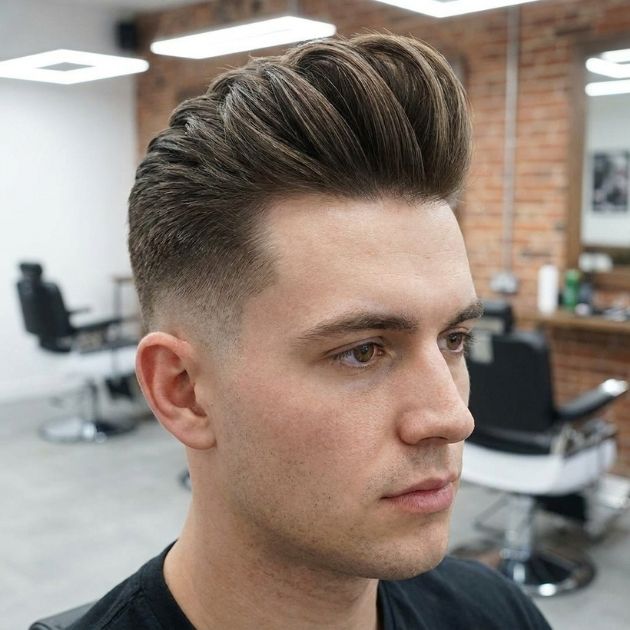
Focused on precision, this look pairs sharp fade lines with a tidy, smoothed top. It’s one of the most workplace-friendly options on this list.
- Suitable Hair Types: Straight hair
- Styling Tip: Comb the quiff neatly using a light pomade for a glossy, controlled finish.
Stylish Taper Fade Quiff Haircut
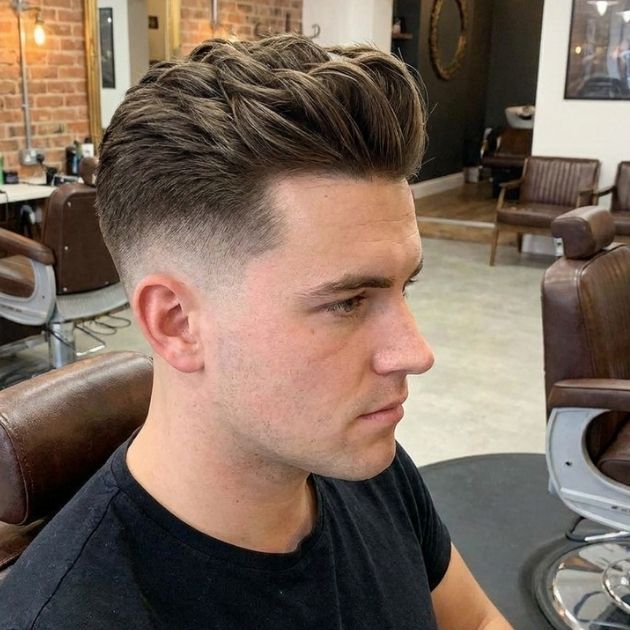
This version leans into fashion-forward styling with a slightly lifted front and a crisp fade, making it a solid choice for men who want a statement look without going extreme.
- Suitable Hair Types: Straight hair, thick hair
- Styling Tip: Use matte clay for a natural, non-shiny finish.
Volume Quiff with Low Fade Sides
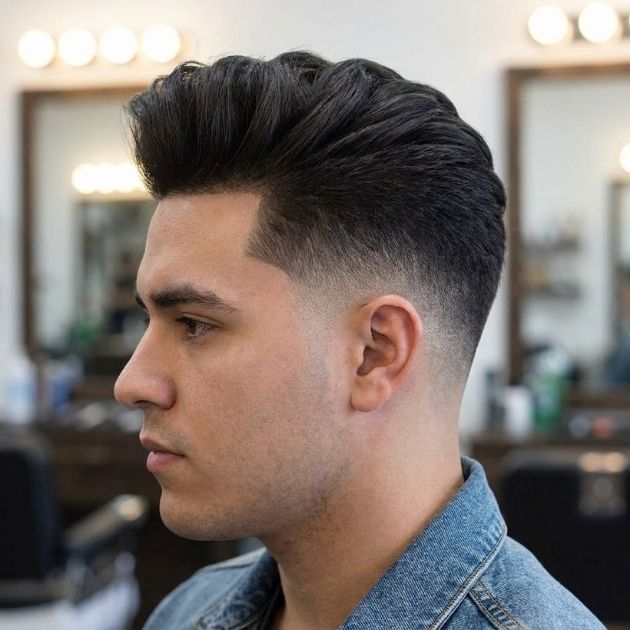
Extra volume at the crown gives this style a fuller silhouette while the low fade keeps the sides slim, balancing proportions for a bold but wearable look.
- Suitable Hair Types: Thick hair, wavy hair
- Styling Tip: Blow-dry with a round brush at the roots to maximize lift before applying product.
Quiff with Low Taper Fade and Beard
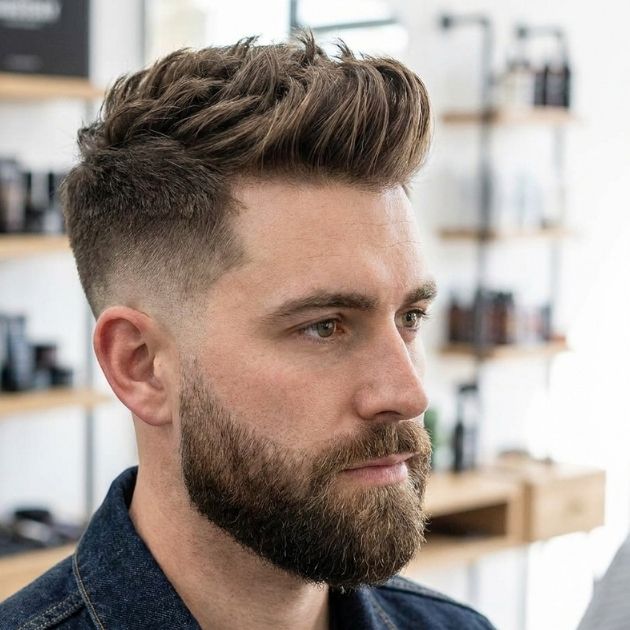
Pairing a low taper fade quiff with a well-groomed beard adds structure to the jawline and balances the height on top, creating a more mature, refined appearance.
- Suitable Hair Types: Straight hair, thick hair
- Styling Tip: Keep the beard tight and connected to the fade line for a seamless finish.
Quiff for Thick Hair with Low Taper Fade
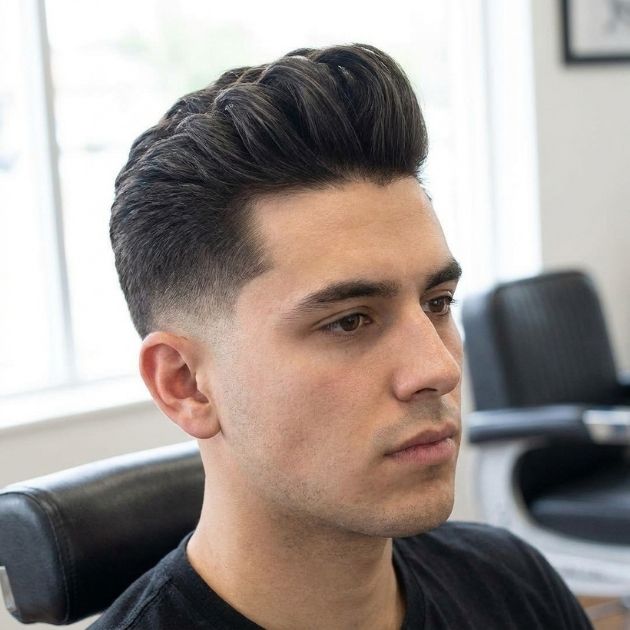
Thick hair naturally supports the height needed for a strong quiff, and the low fade helps thin out visual bulk on the sides without sacrificing volume up top.
- Suitable Hair Types: Thick hair
- Styling Tip: Use a strong-hold styling clay to control thickness without flattening the crown.
Straight Hair Quiff Fade Style
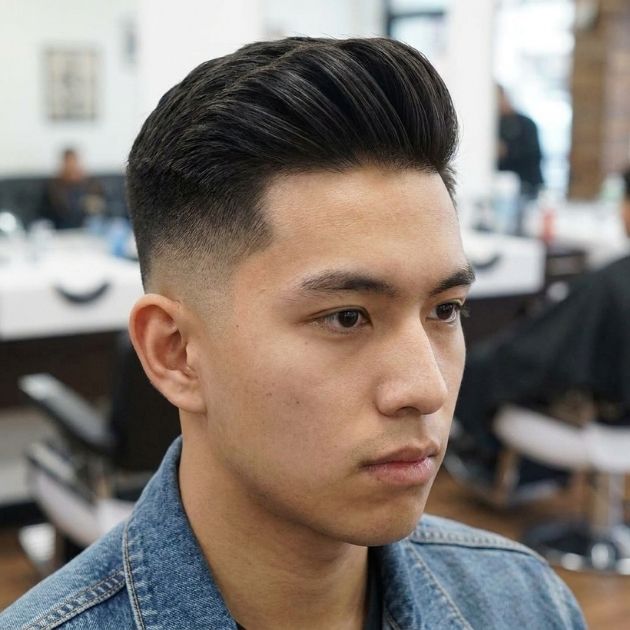
Straight hair creates the cleanest, most visible transition in a taper fade, making this a smooth, sleek option that styles quickly with minimal product.
- Suitable Hair Types: Straight hair
- Styling Tip: Apply pomade to damp hair for a smooth, shine-forward finish.
Quiff with Hard Part and Fade
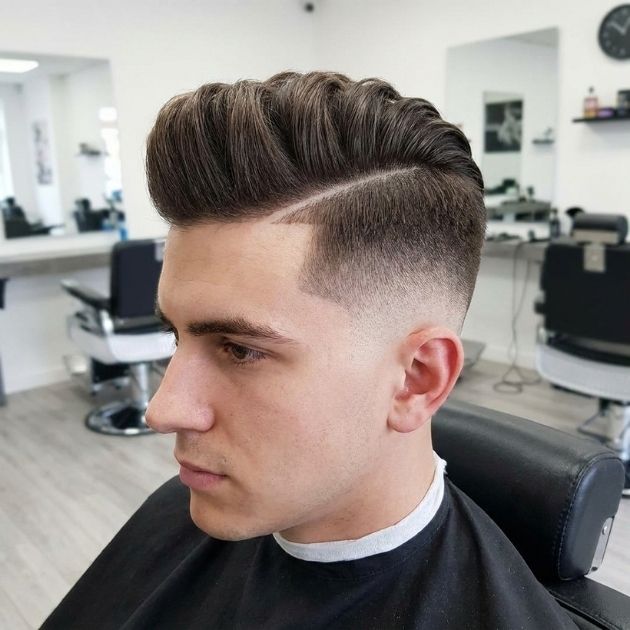
Adding a hard part, a sharp shaved line, gives this quiff a graphic, defined edge that separates the front section from the fade and adds a modern detail.
- Suitable Hair Types: Straight hair, thick hair
- Styling Tip: Ask your barber to keep the hard part thin for a subtle, easy to maintain accent.
Low Taper Fade Quiff with Texture
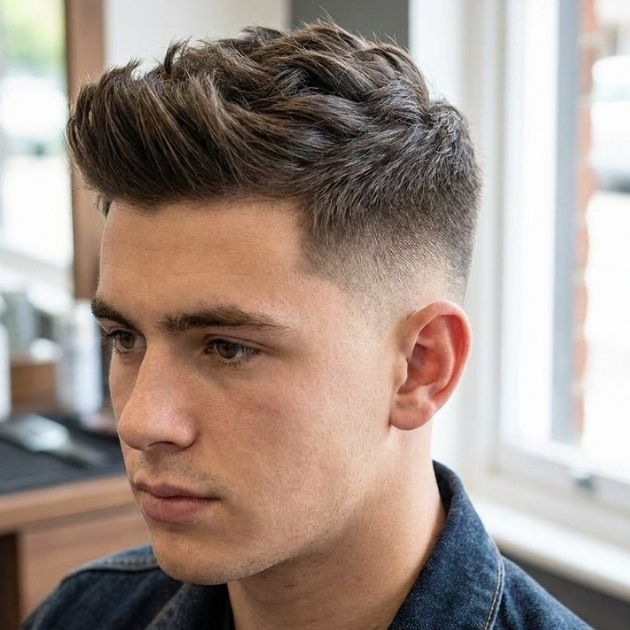
This style emphasizes piece-y separation across the top, using point cutting or a razor to create movement that looks intentional rather than flat.
- Suitable Hair Types: Straight hair, wavy hair
- Styling Tip: Use texture powder for grip, then shape strands with your fingers.
Trendy Low Taper Fade Quiff
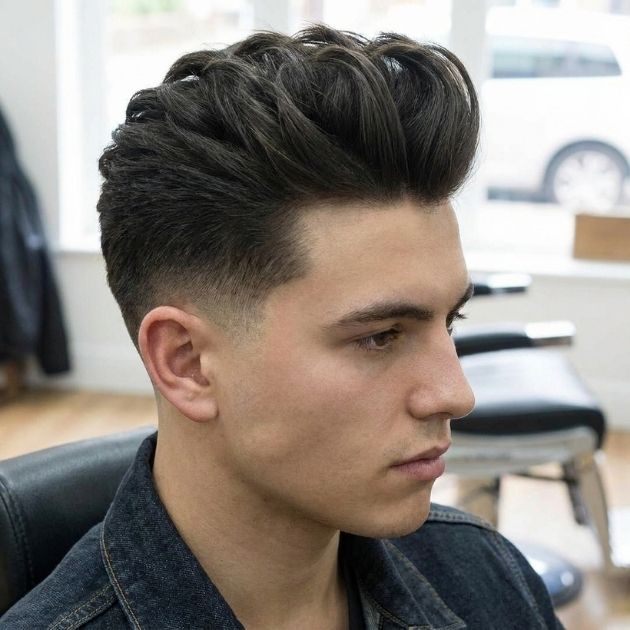
A fashion-forward take that combines a slightly higher lift with soft, natural texture, this version is popular among younger men who want a current, social-media-ready look.
- Suitable Hair Types: Straight hair, thick hair
- Styling Tip: Blow-dry upward, then finish with a light hairspray to lock in shape.
Casual Quiff with Low Taper
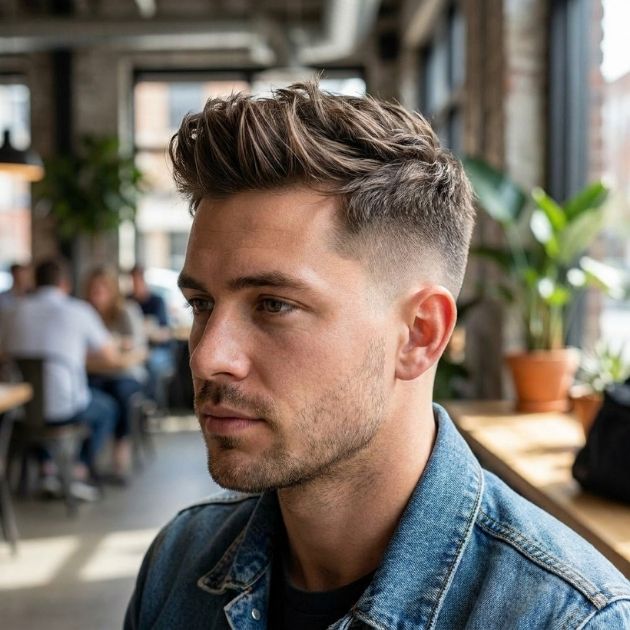
Built for everyday wear, this relaxed version keeps styling minimal while still holding a soft lift at the front, perfect for men who don’t want a strict routine.
- Suitable Hair Types: Straight hair, wavy hair
- Styling Tip: Use a lightweight cream and finger-style for an effortless finish.
Professional Quiff Fade Style
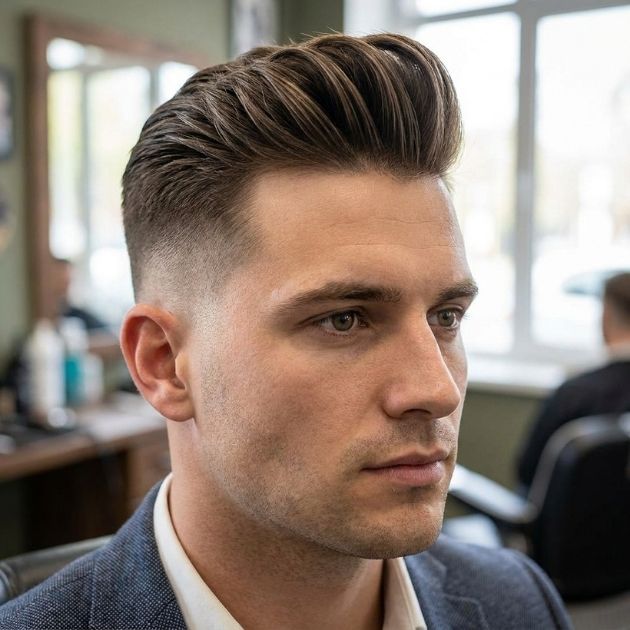
A neat, conservative variation designed for corporate settings, keeping the quiff modest in height while the fade stays clean and understated near the hairline.
- Suitable Hair Types: Straight hair, thick hair
- Styling Tip: Use a medium-hold pomade and comb through for a polished, office-ready look.
Taper Quiff with Layers
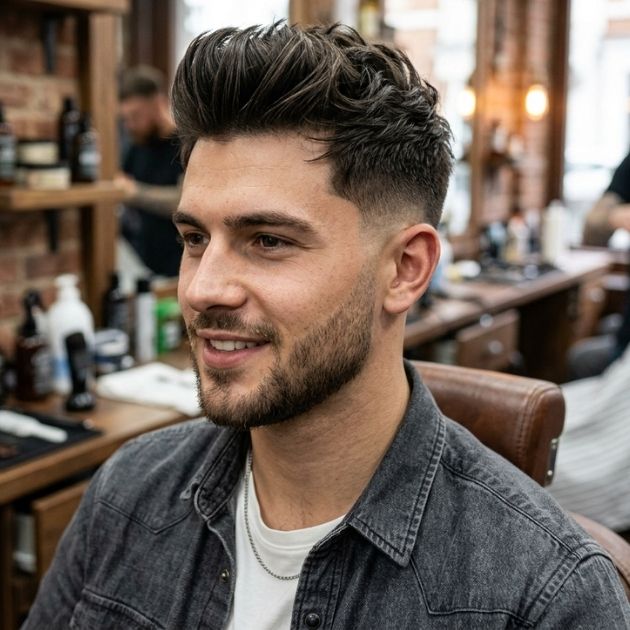
Layering adds shape and lightness to thicker hair, helping the quiff sit naturally without excess bulk while still delivering noticeable height at the crown.
- Suitable Hair Types: Thick hair, wavy hair
- Styling Tip: Ask your barber for internal layers to reduce weight before styling upward.
Fresh Quiff Fade Hairstyle
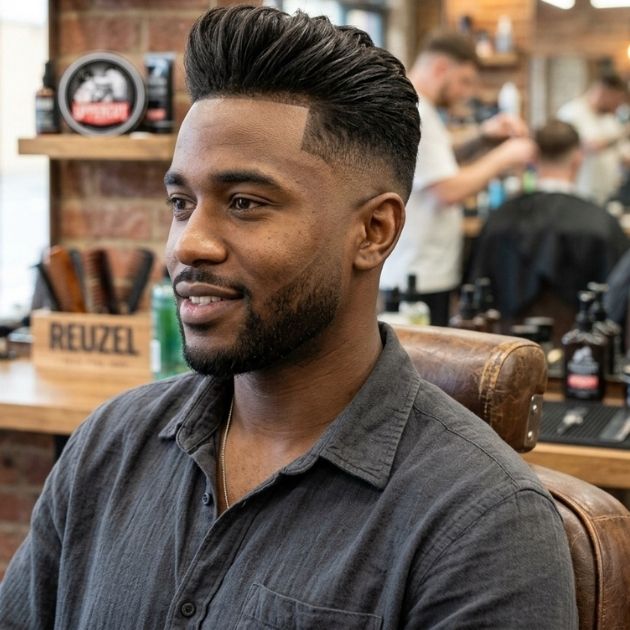
This is the go-to look right after a fresh cut, with crisp fade lines and a defined quiff shape that shows off the barber’s precision.
- Suitable Hair Types: Straight hair
- Styling Tip: Style with a small amount of pomade to highlight sharp, freshly cut edges.
Classic Barber Low Taper Fade Quiff
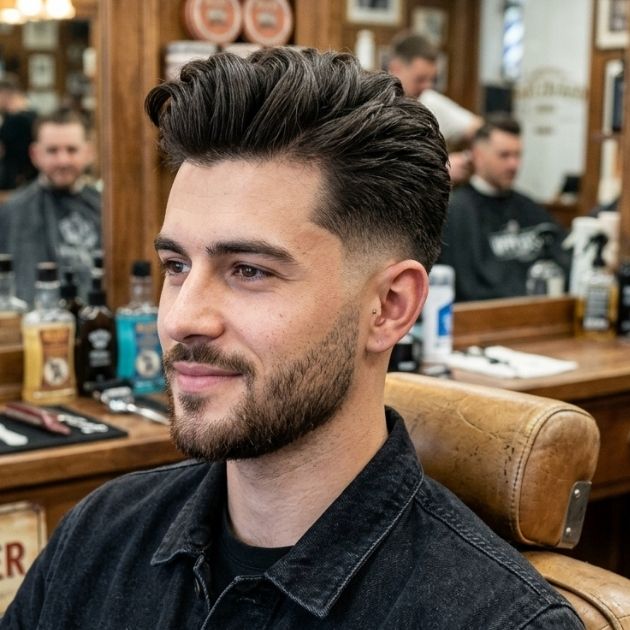
A traditional barbershop rendition, this style relies on scissor work and a soft fade for a timeless, dependable look that suits nearly every face shape.
- Suitable Hair Types: Straight hair, thick hair
- Styling Tip: Use pomade and a comb for a smooth, classic finish that holds all day.
How to Maintain Quiff with Low Taper Fade
Keeping your low taper fade quiff sharp takes more than just a good haircut. Follow these steps to keep it looking fresh between visits.
- Book trims every 2 to 3 weeks. The fade zone grows out faster than the top, so regular touch-ups keep the blend crisp.
- Wash with the right shampoo. Choose a shampoo suited to your hair type and follow with conditioner to keep strands manageable for styling.
- Blow-dry with direction. Use a round brush or your fingers to lift the front section up and back while the hair is damp.
- Apply product sparingly. Start with a small amount of clay, pomade, or styling cream and build up as needed to avoid weighing the quiff down.
- Protect the fade edges. A neck trimmer or edger can help maintain clean lines between barber visits.
- Match products to hair type. Straight hair benefits from pomade for shine and control, while thicker or wavy hair often holds better with matte clay.
- Consider your face shape. If you have a round face, keep more height at the front. If your face is longer, keep the quiff shorter and add width instead.
Classic Barber Quiff with Fade
The classic barber quiff with fade remains one of the most requested combinations in barbershops today because it never looks dated. Barbers typically use clippers to create the low taper on the sides, then finish the top with scissors for a natural, blended shape rather than a blunt cut.
What makes this version stand out is its balance. The fade is soft enough to suit conservative workplaces, while the quiff adds just enough personality to keep the cut from looking plain. It also tends to be the easiest style to communicate to a new barber, since it’s a well-known reference point.
When requesting this look, mention:
- Low taper fade starting near the ear line
- Length on top kept between 3 and 5 inches for styling room
- A soft, blended transition rather than a hard line
- Scissor finishing on top for a natural, textured edge
This combination suits straight and thick hair particularly well, and it pairs nicely with a short, groomed beard for added structure.
FAQ’s
What is the difference between a low taper fade and a low fade?
A low taper fade gradually shortens the hair without necessarily reaching the skin, while a low fade often blends closer to bare skin near the neckline.
How often should I get a low taper fade quiff trimmed?
Most men schedule a trim every 2 to 3 weeks to keep the fade sharp and the quiff proportional.
Does the low taper fade quiff work for curly hair?
Yes, curly hair can hold a quiff well with curl cream and a diffuser, though it may need more frequent styling to maintain lift.
What products are best for styling a quiff?
Matte clay, styling cream, and light pomade all work well, depending on whether you want a natural finish or added shine.
Is the low taper fade quiff suitable for round faces?
Yes, the added height at the front helps elongate round faces, especially when paired with shorter sides.
Can I pair this haircut with a beard?
Yes, a short, well-connected beard complements the low taper fade quiff and adds balance to the jawline.
What should I tell my barber for this haircut?
Ask for a low taper fade starting near the ears, with 3 to 5 inches of length on top to style into a quiff.
Final Thoughts
The low taper fade quiff earns its popularity by combining a clean, professional base with a top style that’s easy to personalize. Whether you prefer the classic combed finish, a textured modern look, or a relaxed messy quiff, this haircut adapts to your hair type, face shape, and daily routine without losing its structure.
If you’re heading to the barber soon, bring a reference photo from this guide, mention your preferred top length, and don’t be afraid to ask questions about which variation suits your face shape best. A little communication in the chair goes a long way toward getting a cut you’ll actually want to maintain.