
If you want a haircut that looks sharp without shouting for attention, the low taper fade black haircut is hard to beat. It has quietly become one of the most requested cuts in barbershops across the country, and for good reason. It works with almost every hair texture, fits any face shape, and moves easily from the office to the weekend.
This guide breaks down what makes the cut special, why so many men keep coming back to it, and the twenty most popular variations barbers are cutting right now. You will also find practical advice on maintenance, styling products, common mistakes, and what to tell your barber before you sit in the chair.
What Makes This Haircut Special?
A low taper fade starts its fade close to the ear, just above the hairline, rather than higher up the head like a mid or high fade. The transition from skin to hair is gradual and subtle, which keeps more natural volume on the sides while still giving a clean, groomed finish.
What sets it apart on black hair specifically is how well it handles texture. Coily, curly, and kinky hair types tend to hold their shape at the crown while the tapered sides stay neat and low maintenance. The result is a cut that reads as polished but never overdone.
A few defining traits of this style include:
- A soft, low fade line that sits close to the ears and neckline
- Minimal contrast between the top and sides compared to high or skin fades
- Compatibility with nearly every hair type, from straight to 4C curls
- A finish that looks intentional whether the top is short, textured, or long
Because the fade is subtle, it also grows out more gracefully than higher fades, which means fewer emergency trims between barber visits.
Why Men Love This Haircut
Ask any barber why this cut stays booked out and the answer is almost always the same: it is versatile, low maintenance, and flattering. It is not a trend that fades after a season; it is a foundation that other styles build on top of.
Here is what keeps men coming back to it:
- It suits every setting. From job interviews to date nights, the cut reads as neat and professional.
- It respects natural texture. Curls, coils, and waves are not flattened out, they are framed.
- It requires less upkeep than higher fades. Since the fade sits lower, regrowth is less noticeable.
- It pairs with almost any top style. Afros, twists, dreadlocks, cornrows, and buzzed tops all work with it.
- It flatters most face shapes. The soft blend avoids the harsh lines that can overwhelm rounder or narrower faces.
There is also a confidence factor. A crisp fade line and a clean neckline make a haircut look freshly done for days, which is part of why this style shows up so often in barber portfolios and social media.
Best Low Taper Fade Black Haircut
Below are the most popular ways barbers are styling the low taper fade on black hair right now. Each variation keeps the signature low blend while changing the top, texture, or detailing.
Low Taper Fade Black Haircut with Line Up
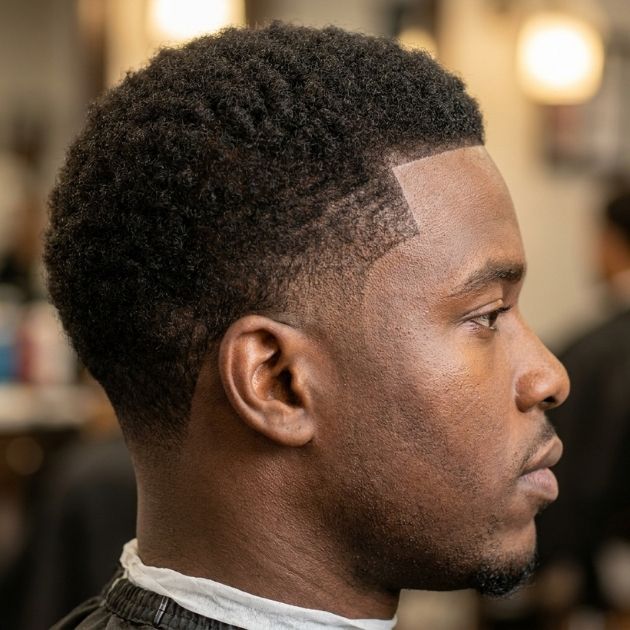
A line up sharpens the front hairline into crisp, straight edges while the low taper handles the sides and back. This combination gives the haircut a fresh, just left the barbershop look.
- Best for: coily or coarse hair that holds a defined edge
- Styling tip: get the hairline cleaned up every ten to fourteen days to keep it crisp
Low Taper Fade Black Haircut with Beard
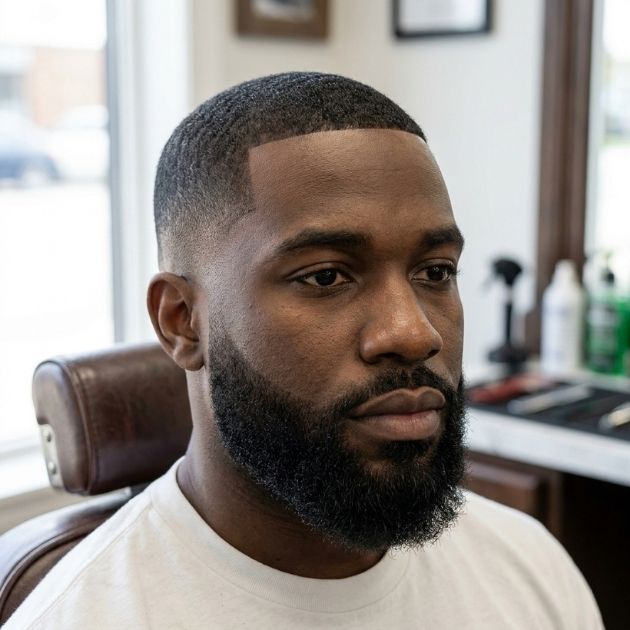
Pairing the fade with a well shaped beard creates one continuous, masculine silhouette instead of two separate styles. The beard line blends into the fade so there is no harsh break at the jaw.
- Best for: thick or dense facial hair
- Styling tip: apply beard oil daily to keep the blend soft and healthy looking
Low Taper Fade Black Haircut with Design
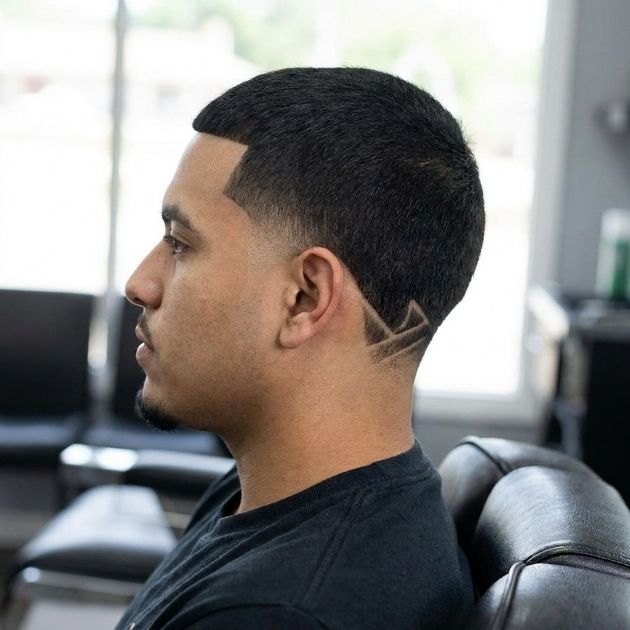
Barbers can shave in lines, geometric shapes, or small patterns within the faded section for a bit of personality. Even one simple line can change the entire look.
- Best for: thicker hair that holds a clean shaved line
- Styling tip: touch up the design every time you get a trim so it does not grow out and blur
Low Taper Fade Black Haircut Blowout
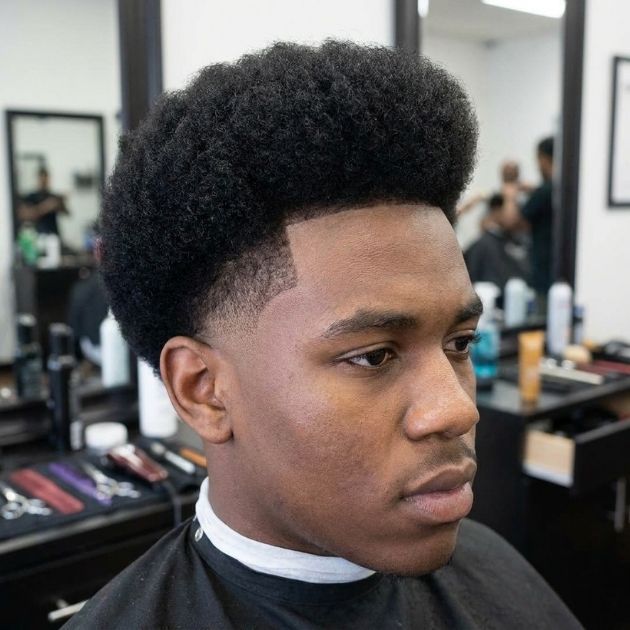
The blowout technique adds noticeable height and volume on top while the sides stay tightly faded. It is a favorite for men who want their curls or coils to stand out.
- Best for: afro textured or thick curly hair
- Styling tip: use a diffuser attachment and low heat to avoid frizz while building volume
Low Taper Fade Black Haircut Textured Top
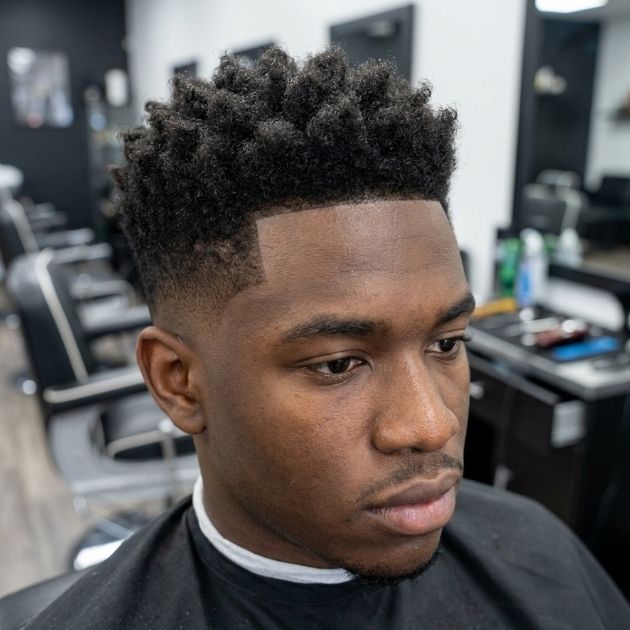
Instead of a flat top, a textured cut uses layering and curl cream to add movement and depth. The faded sides create contrast so the texture on top becomes the focal point.
- Best for: curly or coily hair types
- Styling tip: apply curl cream to damp hair right after washing for definition without stiffness
Low Taper Fade Black Haircut Twist Hair
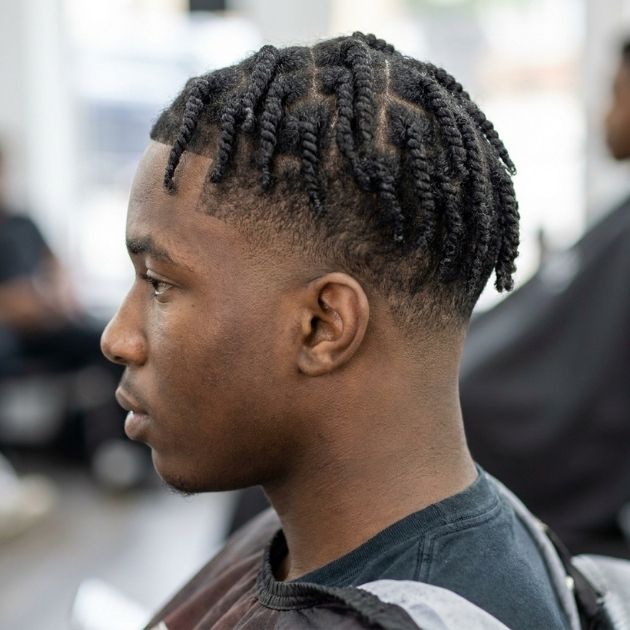
Twists on top combined with a faded base give a textured, dimensional look that works for both casual days and special occasions. The fade keeps the style from looking bulky.
- Best for: medium to long natural hair
- Styling tip: retwist every one to two weeks and use a leave in conditioner to prevent dryness
Low Taper Fade Black Dreadlocks
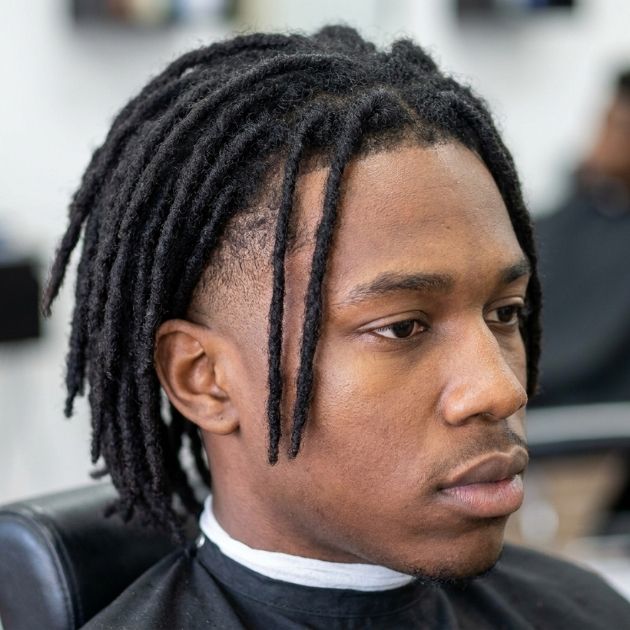
Dreadlocks paired with a low taper create a striking contrast between structured locs and a clean, faded base. Many men style the locs into a bun or ponytail to highlight the fade even more.
- Best for: established or maturing locs
- Styling tip: retighten roots regularly and keep the fade refreshed every three to four weeks
Low Taper Fade Black Cornrows
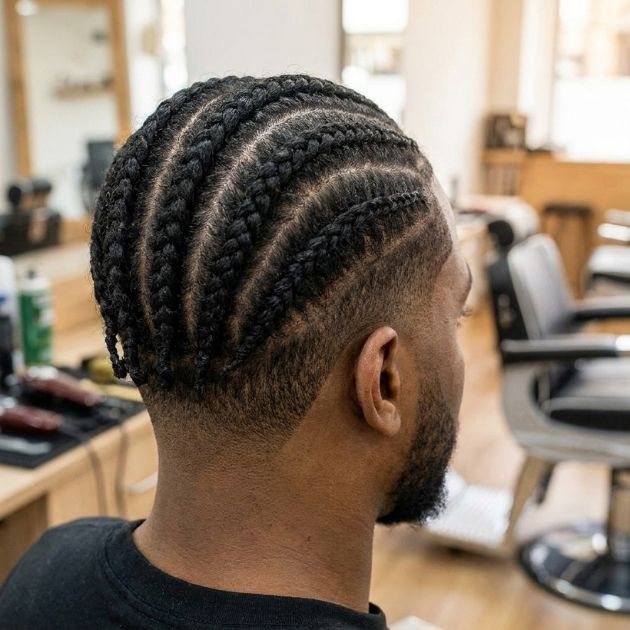
Cornrows braided close to the scalp look sharper when the sides are faded low. This combination is popular for both everyday wear and protective styling.
- Best for: medium to long hair that can be braided
- Styling tip: moisturize the scalp between braiding sessions to avoid dryness and breakage
Low Taper Fade Black Haircut Waves
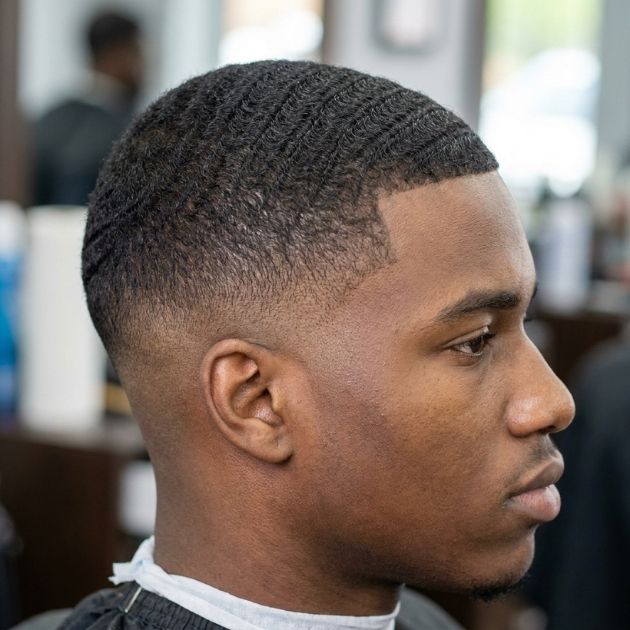
Waves paired with a low fade are a classic combination, especially popular for their smooth, rippled pattern on top. The subtle fade keeps focus on the wave pattern rather than the sides.
- Best for: 360 wave enthusiasts with shorter hair on top
- Styling tip: brush regularly and use a light wave pomade instead of heavy grease to prevent buildup
Low Taper Fade Black Afro
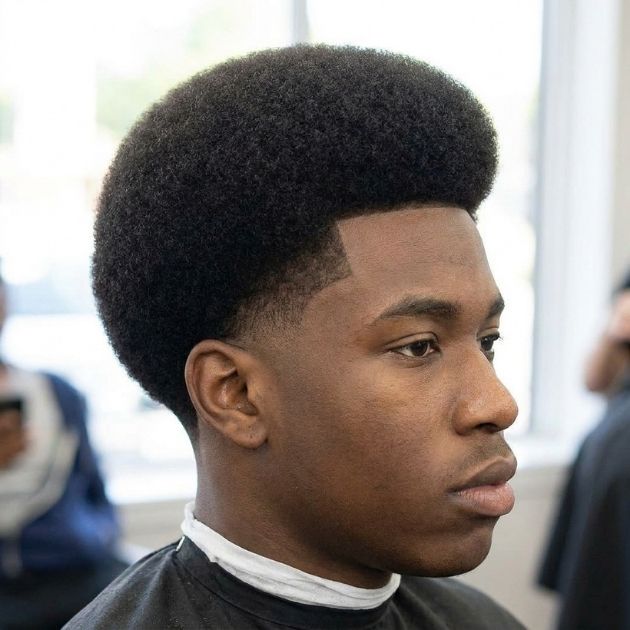
For a low maintenance, natural look, an afro on top with a tapered base offers structure without sacrificing volume. It is one of the easiest styles to maintain between barber visits.
- Best for: naturally coily or kinky hair
- Styling tip: trim the afro shape once a month and refresh the fade every three to four weeks
Low Taper Fade Black Haircut High Volume Top
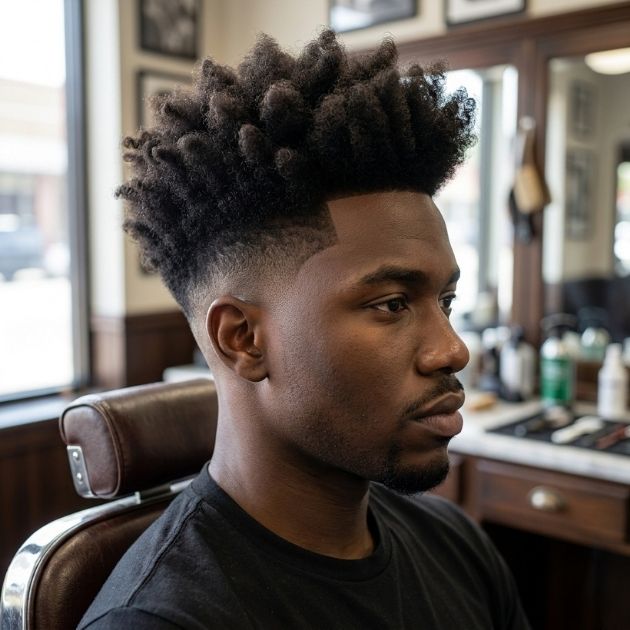
This variation keeps significant length and fullness on top while the sides stay tapered close. It is designed to maximize natural volume rather than flatten it.
- Best for: thick, dense hair types
- Styling tip: use a lightweight mousse to build volume without weighing curls down
Low Taper Fade Black Haircut Clean Cut
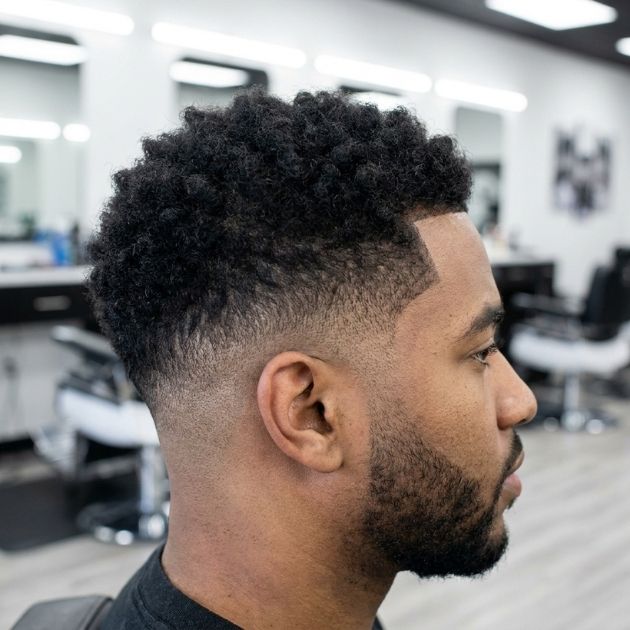
A clean cut keeps the top short and uniform, paired with crisp fade lines for a no-fuss, polished appearance. It is a favorite for workplaces with conservative grooming expectations.
- Best for: straight, wavy, or looser curl patterns
- Styling tip: a small amount of matte pomade keeps the look neat without shine
Low Taper Fade Black for Teens
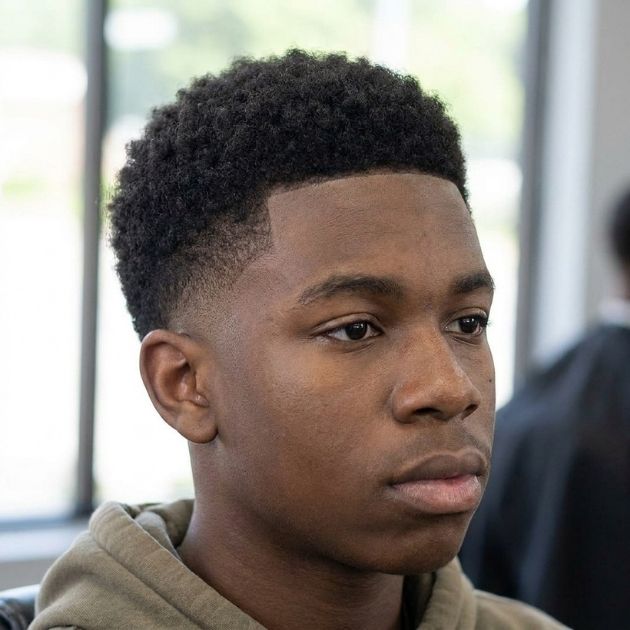
Teens often prefer this cut because it is easy to maintain between school and sports while still looking current. It is also a forgiving style for hair that is still developing its texture pattern.
- Best for: growing hair textures, especially wavy or curly
- Styling tip: schedule trims every three to four weeks to keep the fade sharp during growth spurts
Low Taper Fade Black with Long Top
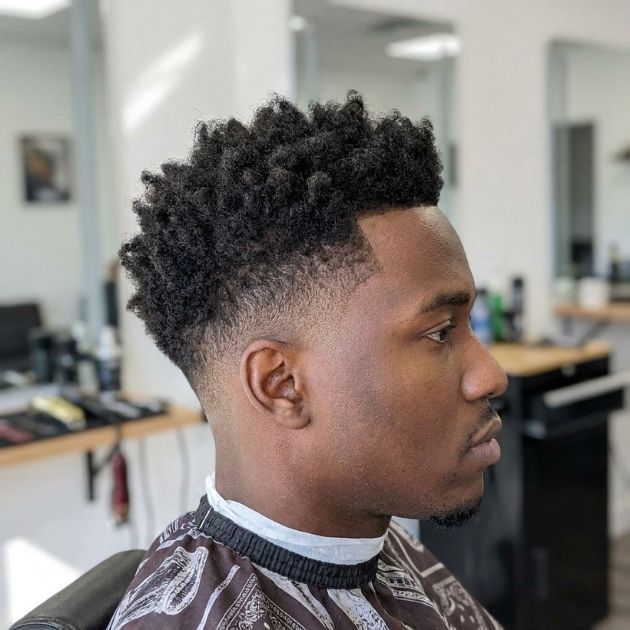
Keeping extra length on top while fading the sides low creates a bold contrast that works well for curls, twists, or straightened styles. It offers more styling flexibility than shorter variations.
- Best for: hair that has been growing out for several months
- Styling tip: use a hydrating leave in product to manage length and reduce tangling
Low Taper Fade Black Fresh Haircut
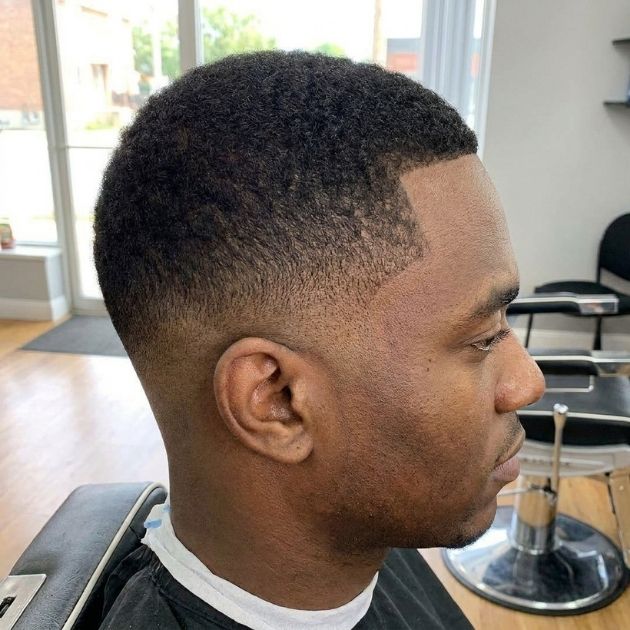
This is the everyday version of the style, favoring a balanced blend and minimal detailing for a naturally sharp, just-groomed appearance. It is the most requested version for first time clients.
- Best for: any hair type looking for a reliable, low fuss cut
- Styling tip: light pomade or curl cream applied sparingly keeps it looking fresh longer
Low Taper Fade Black Burst Haircut
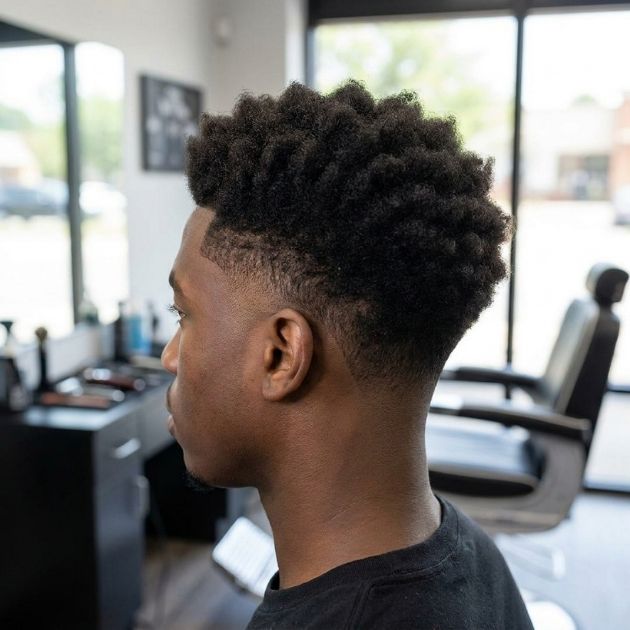
A burst fade curves around the ear in a semicircle rather than following a straight line, adding a modern twist to the classic low taper. It pairs especially well with longer or textured tops.
- Best for: hair types that hold curved fade lines cleanly
- Styling tip: request this from a barber experienced with burst fades since the curve requires precision
How Often Should You Get a Trim?
Because the fade sits low, regrowth is less noticeable than with high or skin fades, but the style still needs regular attention to stay sharp.
- Fade touch up: every two to three weeks
- Line up or edge up: every one to two weeks if you keep a defined hairline
- Full haircut with top trim: every four to six weeks depending on how much length you keep
- Protective styles like locs, twists, or cornrows: fade refresh every three to four weeks, with retwisting or rebraiding on its own schedule
Waiting too long between trims is the most common reason a sharp fade starts to look muddy or uneven, so setting a recurring reminder helps more than most people expect.
Best Hair Products for a Low Taper Fade Black Haircut
The right products depend on your top style, but a few categories cover most needs:
- Curl cream or custard: defines curls and coils without weighing them down, ideal for textured tops
- Light hold pomade: adds shine and control for clean cuts and line ups without heavy buildup
- Wave pomade: lighter than traditional grease, keeps 360 waves smooth and connected
- Leave in conditioner: essential for twists, braids, and longer natural hair to prevent dryness
- Edge control gel: keeps the hairline crisp between barber visits
- Beard oil or balm: softens facial hair and helps it blend into the fade
A good rule of thumb is to match the product to the finish you want. Curl creams and custards give definition and hold, pomades add sheen and control, and lightweight mousses build volume without stiffness.
Common Mistakes to Avoid
Even a great haircut can look off if a few basics get missed. Watch out for these:
- Skipping regular trims. Letting the fade grow out too far blurs the clean lines that make this cut work.
- Using heavy products on curly or coily hair. Overloading with grease or wax leads to product buildup and dull looking curls.
- Ignoring the beard line. An unkept beard can undercut an otherwise sharp fade.
- Going too short too fast. Dramatic length changes should happen gradually, especially with textured hair.
- Not communicating clearly with your barber. Vague requests like just fade it can lead to a result that does not match what you pictured.
- Overwashing natural hair. This strips moisture and makes curls harder to style, especially between trims.
Barber Tips Before Getting This Haircut
A little preparation goes a long way toward getting the exact look you want.
- Bring a clear reference photo, ideally one showing your hair texture or a similar one
- Be specific about fade height, since low, mid, and high fades all look different
- Mention your face shape preferences, such as wanting more length on top to balance a rounder face
- Ask about maintenance before committing to a design or intricate detailing
- Tell your barber about any styling routines, like twisting or braiding, so the cut supports your daily upkeep
- Discuss beard shaping in the same appointment if you want a seamless blend
A skilled barber will also assess your hair growth pattern and cowlicks before cutting, which helps the fade sit naturally instead of fighting your natural hairline.
FAQ’s
Is a low taper fade good for all black hair types?
Yes, it works well with coily, curly, straight, and wavy textures since the fade height adjusts to suit each hair pattern.
How long does a low taper fade last before it needs a trim?
Most men need a fade touch up every two to three weeks to keep the blend looking sharp.
Can I get a low taper fade with dreadlocks or braids?
Absolutely, the low fade complements locs, braids, and twists by keeping the sides clean while the top style stands out.
Does a low taper fade suit round or square face shapes?
Yes, the subtle blend and adjustable top length make it flattering for nearly every face shape.
What is the difference between a low taper fade and a skin fade?
A low taper fade leaves a small amount of hair at the fade line, while a skin fade cuts down to bare skin for a more dramatic contrast.
Is this haircut appropriate for work or school?
Yes, its clean and understated look makes it a safe choice for professional or academic settings.
Final Thoughts
The low taper fade black haircut earns its popularity honestly. It flatters natural texture, adapts to nearly any top style from afros to dreadlocks, and holds its shape longer than higher fades thanks to its subtle blend. Whether you are after a classic clean cut, a bold design, or a textured blowout, this style gives you a dependable base to build on.
The key to keeping it looking its best comes down to three things: regular trims, the right products for your hair type, and clear communication with your barber. Get those right, and this cut will stay sharp season after season.